Blog

All Lincolnwood Porsche Dealer Porsche Lincolnwood Porsche News Community News Porsche EV Lincolnwood Used Cars Cayenne porsche 911 Lincolnwood Porsche Service New Dealership Construction Update Porsche Macan Loeber Motors Porsche Service 718 Performance SUVs Awards & Recognition Porsche 911 Carrera Porsche Taycan
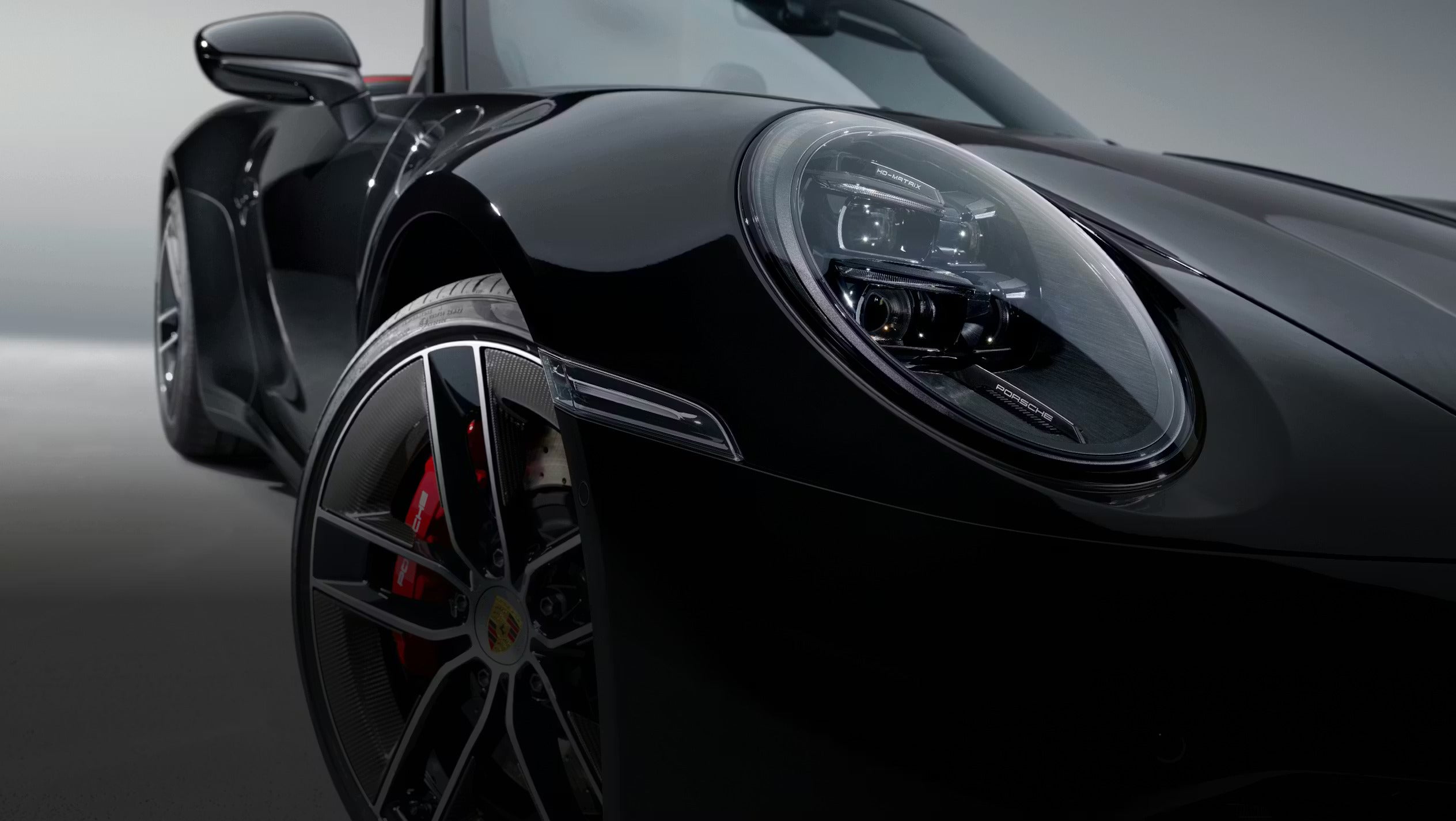
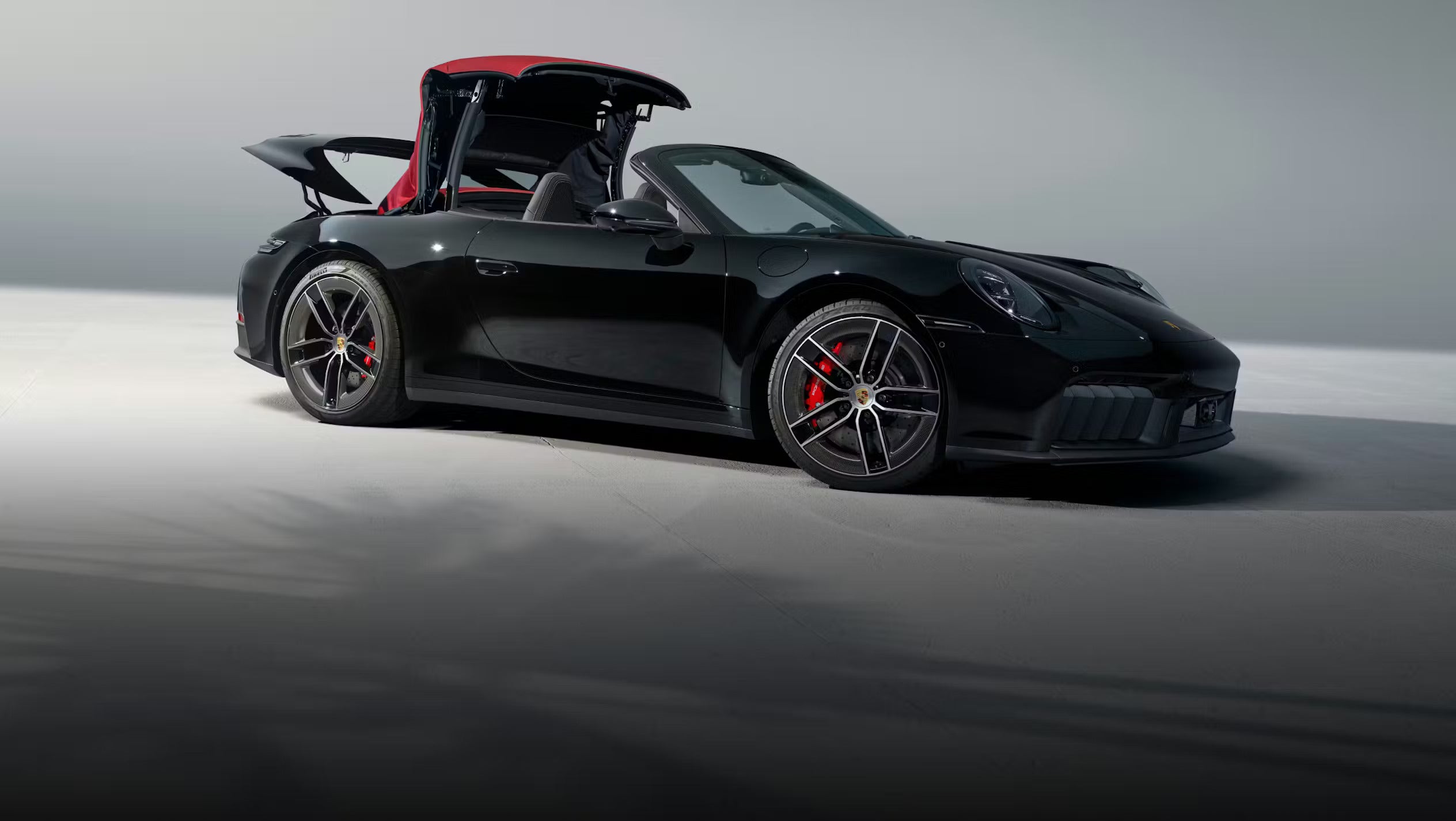
Black Porsche 911 convertible shown in profile, highlighting why the Porsche 911 still defines the modern sports car.

Why the Porsche 911 Still Defines the Modern Sports Car

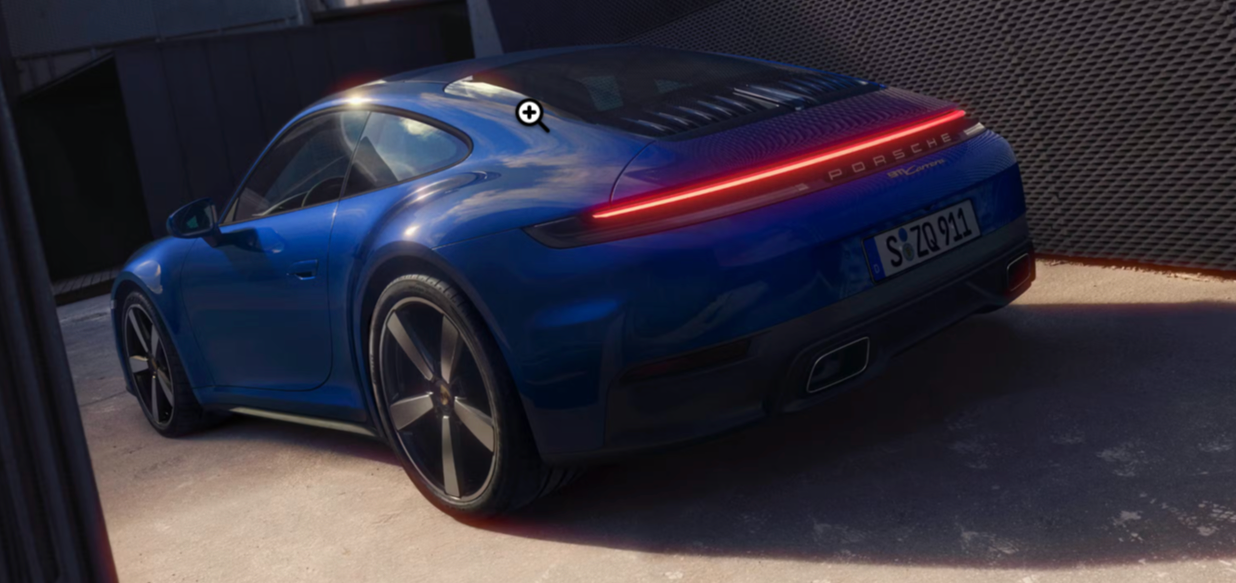
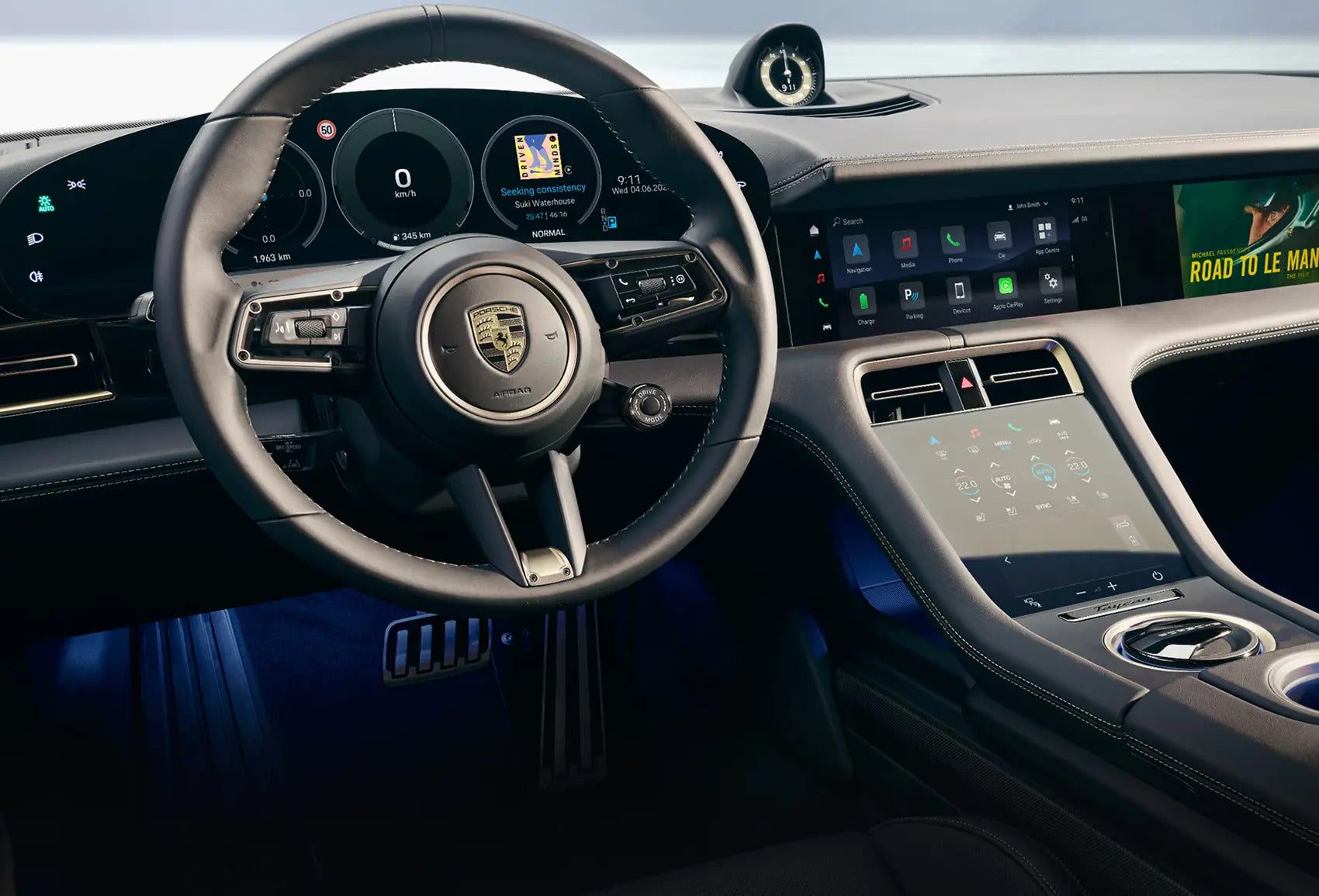
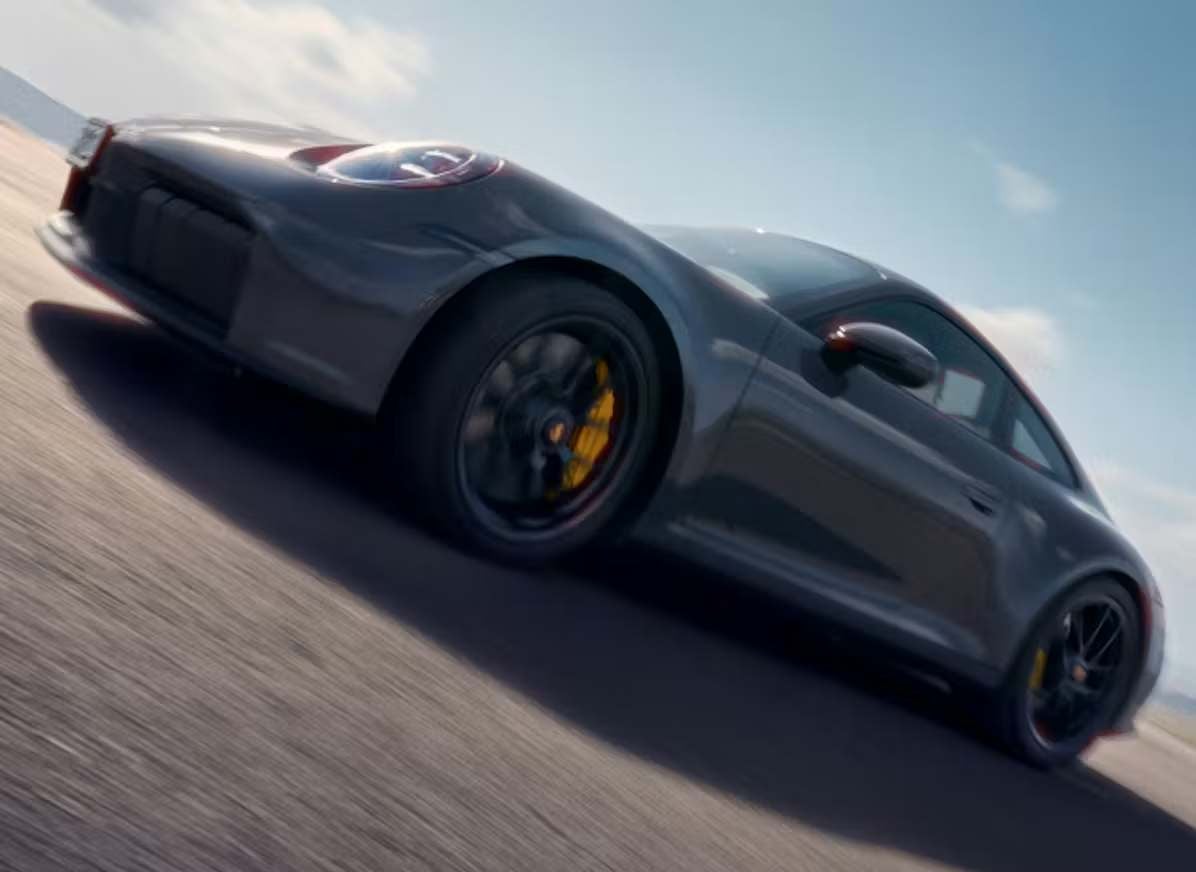
There are cars that arrive and disrupt a segment, and then there are cars that quietly define it year after year. The Porsche 911 has never needed reinvention to remain relevant. Instead, it has evolved carefully, preserving the proportions, balance, and engineering philosophy that made it iconic while refining every measurable performance metric along the way. In a market crowded with louder, heavier, and increasingly complicated competitors, the 911 remains something else entirely: focused. more For Chicago-area drivers, the appeal of the 911 is both emotional and practical. It carries a legacy that stretches back decades, yet it remains entirely usable in modern traffic. Whether gliding along Lake Shore Drive at sunrise or navigating I-94 during rush hour, the 911 feels compact, precise, and composed. Unlike many high-horsepower sports cars that demand constant attention, the 911 rewards subtle inputs and daily familiarity. It is a car you learn — and then grow into. Check Out: 2026 Porsche 911 Under the rear decklid, the modern 911 continues to use Porsche’s twin-turbocharged flat-six architecture. Confidence in any season—this Porsche 911 grip and braking detail shows why it still defines the modern sports car. Depending on configuration, output ranges from the mid-300 horsepower range in the base Carrera to well over 600 horsepower in Turbo S models. The Carrera 4S, one of the most balanced configurations in the lineup, produces 473 horsepower and accelerates from 0–60 mph in as little as 3.3 seconds. These figures matter, but what defines the 911 is not raw acceleration — it is the way the car communicates weight transfer, grip, and momentum through the steering wheel and seat. All-wheel-drive variants, designated by the “4” in their name, bring additional confidence to Midwest drivers. Chicago winters demand stability. And while a 911 will always be a performance car first, the AWD system enhances traction without dulling responsiveness. That makes models like the Carrera 4 and Carrera 4S especially compelling for drivers who want year-round usability without sacrificing character. Classic feel, modern tech—Porsche 911 design cues meet digital execution, reinforcing why it defines the modern sports car. The 911’s silhouette remains one of the most recognizable shapes in automotive design. The sloping roofline, pronounced rear haunches, and signature round headlamps have endured through generations because they work. Porsche continues to refine aerodynamics and lighting technology, but the identity remains unmistakable. Even parked outside a restaurant in Lincolnwood or along Sheridan Road, a 911 feels intentional rather than flashy. Check Out: 2026 Porsche Cayenne EV Inside, Porsche balances analog inspiration with digital execution. The curved digital instrument display maintains the familiar five-gauge layout that longtime owners recognize instantly. The center touchscreen integrates navigation, wireless smartphone connectivity, and performance settings in a clean, driver-focused interface. Everything angles toward clarity. There are no unnecessary flourishes, no distractions from the act of driving. The 911 lineup itself offers remarkable depth. Coupe, Cabriolet, and Targa body styles allow buyers to tailor the experience to their preferences. Carrera models emphasize balance. Turbo models push the limits of acceleration. GT3 variants sharpen the focus further for track enthusiasts. Yet across every configuration, the core architecture remains consistent: rear-engine layout, balanced weight distribution, and an unmistakable Porsche driving feel. A cockpit built around the driver—this Porsche 911 interior shows why it still defines the modern sports car decade after decade. What continues to separate the 911 from competitors is its longevity. Many sports cars enter the market with a burst of attention and fade as trends shift. The 911 has endured because it adapts without abandoning its principles. Each generation improves ride quality, technology integration, and structural rigidity while preserving the core character that made the original car special. That consistency builds loyalty. For Chicago buyers considering a performance car, the 911 occupies a unique position. It is neither oversized nor impractical. It is capable of commuting, long-distance travel, and spirited weekend drives without feeling compromised. It does not rely on spectacle. Instead, it relies on engineering precision and driver engagement. Those interested in exploring available models or configuring a new build can view the current lineup at Porsche Lincolnwood and browse the full range of Porsche 911 models currently offered.
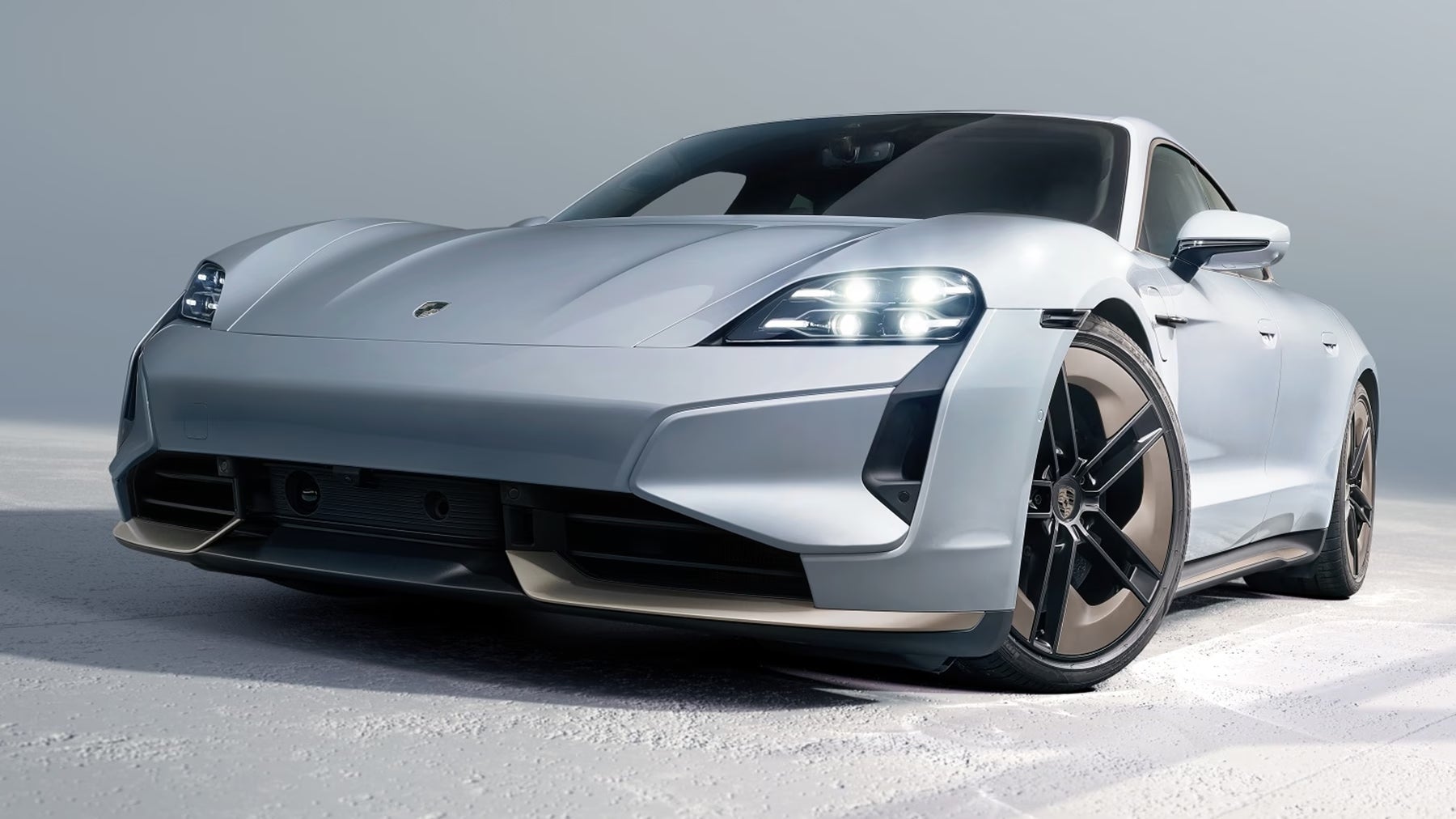
Silver Porsche electric car highlighting the electric future for drivers in Chicago.

Porsche and the Electric Future: What It Means for Drivers in Chicago

For a brand built on the sound of a flat-six engine and decades of racing heritage, Porsche’s move into electrification has been measured rather than reactionary. The transition has not been about abandoning identity. Instead, it has focused on translating Porsche’s performance philosophy into a new propulsion format. The result is not simply an electric vehicle — it is an electric Porsche. more The cornerstone of Porsche’s EV strategy in the United States is the Taycan. Introduced as the brand’s first fully electric production model, the Taycan demonstrated that electrification could coexist with driving precision. According to Porsche USA specifications, the Taycan lineup offers outputs ranging from the mid-400 horsepower range in entry configurations to well over 700 horsepower in higher trims with overboost engaged. Acceleration figures are equally strong, with select models capable of 0–60 mph times under three seconds. Check Out: 2026 Porsche Cayenne EV These numbers are impressive, but what makes the Taycan distinct is how that performance is delivered. Porsche’s 800-volt electrical architecture sets it apart from many competitors in the luxury EV segment. Porsche’s 800-volt tech is shaping the electric future—faster charging and better road-trip confidence for Chicago drivers. This system allows faster DC charging under optimal conditions and supports sustained high performance without significant degradation. For drivers in the Chicago area, charging capability matters just as much as acceleration. The Taycan’s ability to accept high-speed DC charging means meaningful range can be added during relatively short stops, reducing long-distance travel concerns. Range estimates vary by configuration and battery selection, but Porsche USA publishes EPA-estimated ranges depending on trim and equipment. While range is often the headline figure in EV discussions, Porsche places equal emphasis on repeatable performance. The Taycan’s battery cooling system and thermal management allow drivers to experience consistent acceleration even after multiple high-speed runs — something that has historically challenged EVs. Beyond the Taycan, Porsche is expanding its electric presence with the Macan Electric. Built on a new premium electric platform, the Macan Electric is designed specifically for EV architecture rather than adapted from a combustion layout. Porsche USA confirms that the Macan Electric will feature dual-motor all-wheel-drive configurations in certain trims, along with performance-oriented suspension systems that mirror the brand’s sports-car DNA. For Chicago-area buyers who prefer SUV practicality over sedan form, the Macan Electric introduces electrification without abandoning utility. Porsche is expanding its electric future lineup—what Chicago drivers can expect from new EV options. Interior technology plays a central role in Porsche’s EV models. The Taycan and upcoming electric vehicles feature curved digital displays, advanced driver-assistance systems, and real-time energy management interfaces. Drivers can monitor battery usage, regeneration levels, and charging data directly through the central touchscreen. Wireless smartphone integration and connected navigation systems enhance daily usability, particularly for urban environments. Check Out: 2026 Porsche 911 One of the most frequent concerns among Midwest buyers is winter performance. While EV efficiency can be influenced by cold temperatures, Porsche’s thermal management systems are engineered to maintain battery conditioning and cabin comfort in colder climates. Features such as heat pumps and advanced battery preconditioning help mitigate range reduction during low temperatures. For Chicago drivers who experience significant seasonal variation, these engineering details are not optional — they are essential. Porsche’s approach to electrification also preserves driving character. Winter range and cold-weather comfort matter in Chicago—how Porsche’s electric future impacts drivers year-round. The Taycan’s low center of gravity — created by its battery placement within the floor structure — contributes to stable handling. Rear-axle steering, available adaptive air suspension, and Porsche Active Suspension Management further align the EV models with the brand’s traditional performance standards. Electrification has not diluted steering precision or chassis feedback. Instead, it has redefined how power reaches the road. Importantly, Porsche has not positioned its electric vehicles as replacements for combustion models across the board. Instead, the lineup now offers buyers a choice. Drivers can still select the 911 for traditional sports-car engagement, choose the Cayenne for luxury SUV performance, or move into the Taycan or Macan Electric for fully electric driving. This flexibility is central to Porsche’s U.S. strategy. As infrastructure continues expanding across Illinois and the broader Midwest, EV ownership becomes more practical. Public DC fast chargers are increasingly available along major highways, including I-94 and I-90 corridors. Home charging installations also provide convenience for daily commuting. For many Chicago-area drivers, the transition to electric no longer feels experimental — it feels planned. For those interested in exploring Porsche’s electric lineup, including the Taycan and Macan Electric, additional information and current availability can be found at Porsche Lincolnwood and by viewing the available Porsche Taycan models.

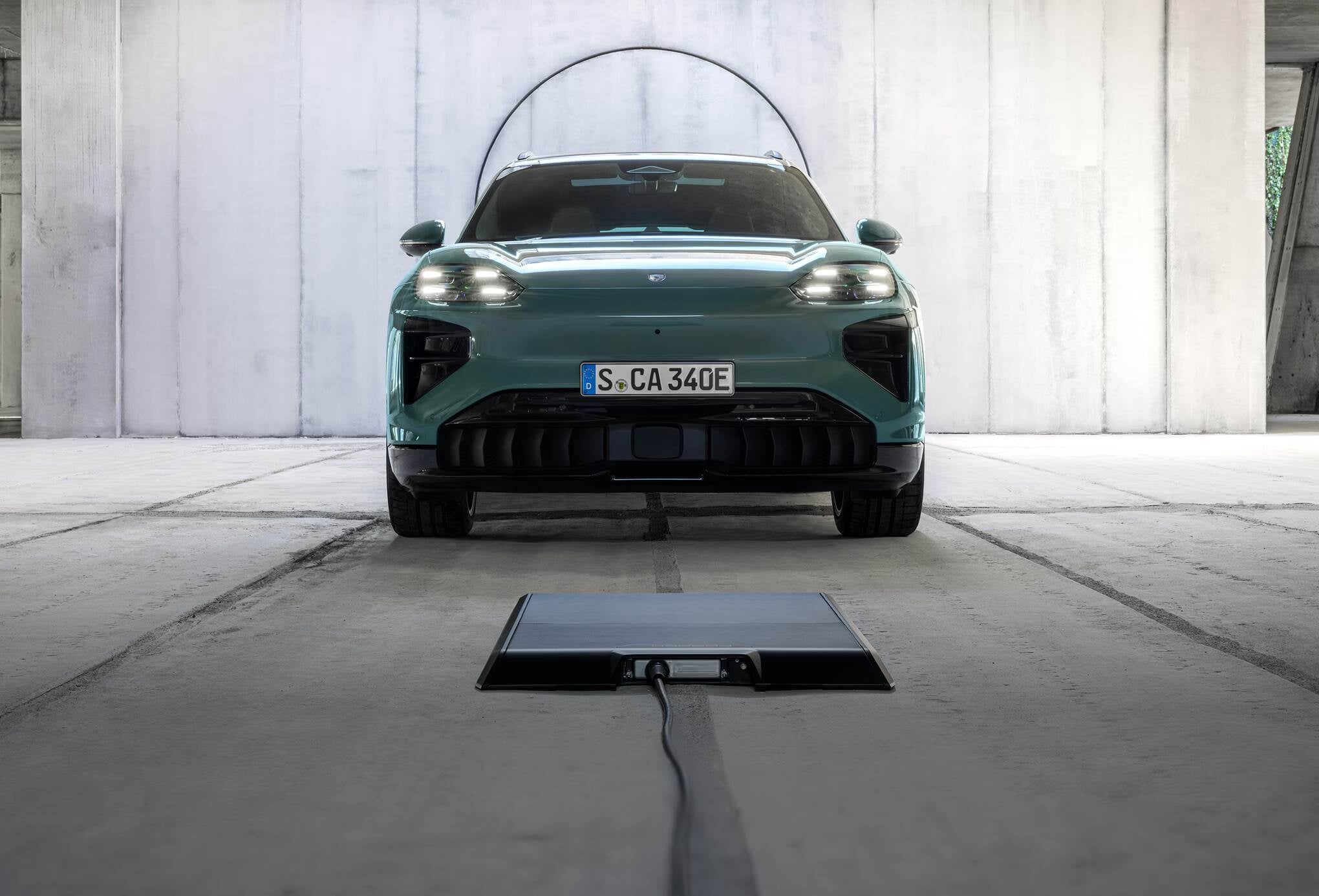
2026 Porsche Cayenne EV exterior design answering common questions about Porsche’s electric SUV

2026 Porsche Cayenne EV: Your Questions Answered

If you’re thinking about the 2026 Porsche Cayenne EV, the questions running through your head probably sound different from the ones most EV shoppers ask. You’re likely not wondering whether electric vehicles are “ready” anymore. more Latest Cayenne Inventory You’re wondering whether this one still feels like a Porsche when the novelty wears off and the routine sets in. That hesitation usually comes from experience. Cayenne owners know exactly how their vehicles fit into daily life. The 2026 Porsche Cayenne EV is designed to fit seamlessly into everyday driving and ownership. They know how they behave in traffic, how they feel on long drives, how they handle bad weather, and how they respond when the road opens up. Switching that familiar experience to electric doesn’t feel like a small decision, even if the technology itself feels inevitable. What tends to surprise people is how quickly the Cayenne EV stops feeling like an experiment and starts feeling like an evolution. The first shift happens in everyday moments. Pulling away from a stoplight. Merging onto the highway. Navigating traffic without the constant feedback of an engine and transmission. Driving the 2026 Porsche Cayenne EV shows how electric performance changes the Porsche experience. The Cayenne EV responds immediately and smoothly, which removes friction rather than excitement. That calm responsiveness becomes its own form of engagement. As drivers spend more time behind the wheel, another realization settles in. The Cayenne EV doesn’t feel like a large SUV compensating for its size. The battery’s low placement changes the way the vehicle carries itself. It feels planted and balanced, especially at speed. Where traditional SUVs sometimes feel reactive, the Cayenne EV feels deliberate. This is often the moment where skepticism gives way to trust. Range is usually the loudest concern before people drive the vehicle, but it rarely remains the most important one afterward. Most Cayenne buyers quickly recognize that range anxiety is really about disruption. They want to know whether their routines will change in uncomfortable ways. Porsche’s approach focuses on real-world use: commuting, errands, weekends away, and longer trips with planned stops. Fast charging matters because it preserves flexibility, not because it wins arguments online. Cold-weather performance plays a major role in that trust, especially for Midwest drivers. Cold-weather capability is a major question answered by the 2026 Porsche Cayenne EV. Electric all-wheel drive systems react instantly, and the Cayenne EV’s balance helps it feel composed rather than tentative in poor conditions. With proper tires, winter driving becomes something you move through confidently rather than manage carefully. That reassurance carries more weight than any spec number. Inside the cabin, Porsche has chosen continuity over shock value. The Cayenne EV interior feels familiar in the best way. Controls are intuitive. Materials feel substantial. The layout prioritizes the driver without isolating passengers. For people who spend real time in their vehicles, this familiarity reduces cognitive load. You don’t feel like you’re learning a new lifestyle along with a new vehicle. Inside the cabin, the 2026 Porsche Cayenne EV blends familiar design with modern electric technology. Ownership considerations also quietly reshape perception. Electric ownership simplifies certain aspects of daily life. Fewer routine service items. Quieter starts. The convenience of home charging. These changes don’t announce themselves loudly, but they accumulate over time. Many owners find that their relationship with the vehicle becomes calmer, more predictable, and more integrated into their routines. Seeing the Cayenne EV alongside the broader lineup at Porsche Lincolnwood and exploring available Cayenne inventory helps place it in context. This isn’t Porsche abandoning its past. It’s Porsche translating its most versatile vehicle into a form that aligns with how people actually drive today. The engagement moment for many buyers comes when the internal debate changes tone. Instead of asking whether electric makes sense, they start asking whether this particular electric vehicle feels right. For Cayenne drivers, that moment often arrives sooner than expected. Six features that define the 2026 Porsche Cayenne EV Purpose-built electric architecture tuned for Porsche driving dynamics Instant torque delivery for smooth, confident acceleration Low center of gravity for enhanced stability and balance Fast-charging capability designed for real-world travel Familiar Porsche interior with modernized technology All-weather performance suited for year-round driving For drivers ready to explore how electric power fits into Porsche’s most practical model, the Cayenne EV at Porsche Lincolnwood offers a natural next step rather than a leap into the unknown.

Porsche 911 Carrera vs Carrera GTS

2026 Porsche 911 Carrera vs. Carrera GTS: Which One Is Right for You?

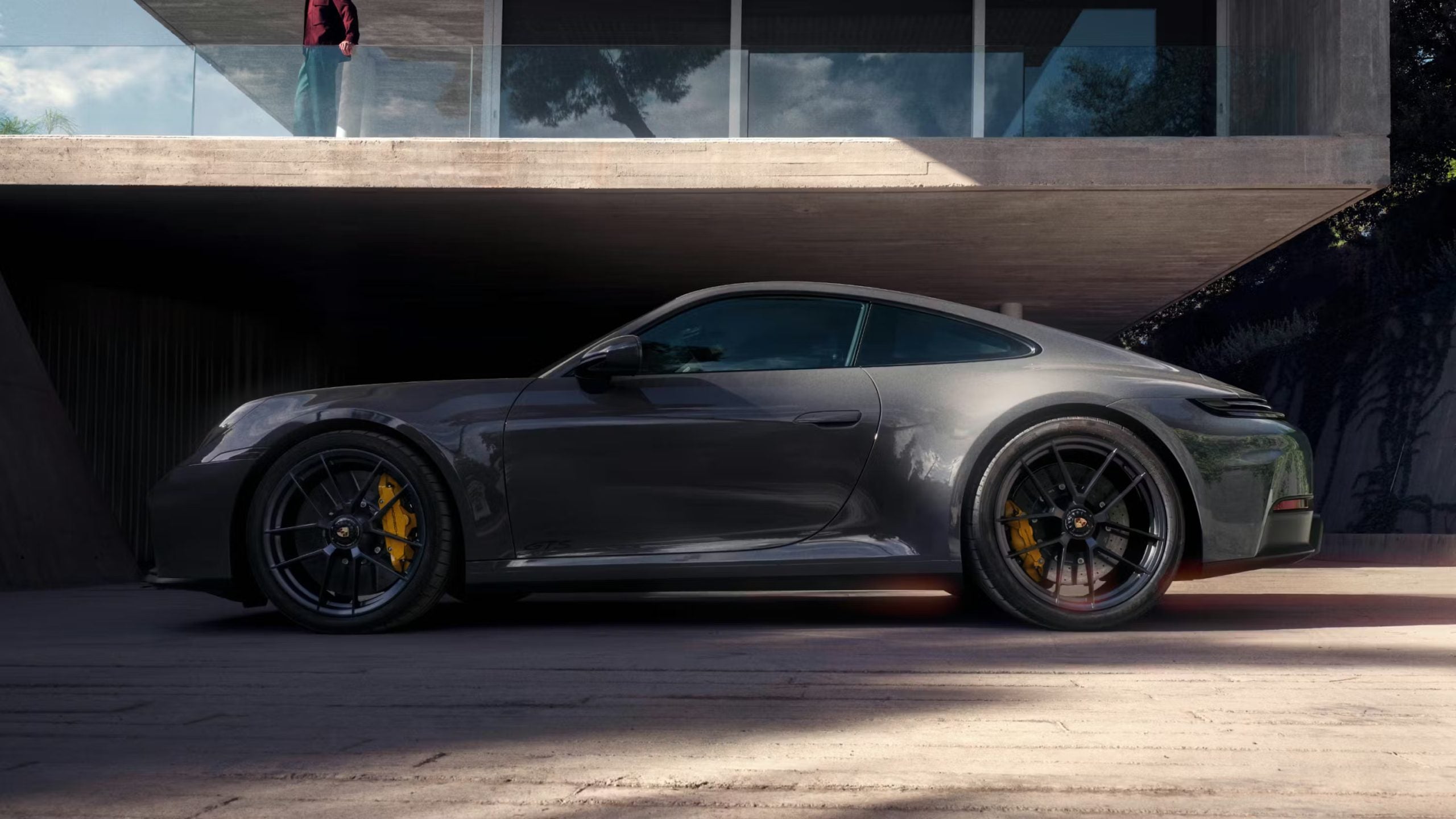
For many buyers, choosing a Porsche 911 is less about whether to buy one and more about which version best fits the way they actually drive. By the time shoppers narrow their focus to the 2026 Porsche 911 Carrera vs the Carrera GTS, the decision often becomes surprisingly difficult. On paper, the two models share the same iconic shape, the same rear-engine DNA, and the same reputation for precision engineering. In practice, they deliver meaningfully different ownership experiences. more Latest 911 Inventory for Sale The 911 Carrera has long been the heart of the lineup. The 2026 Porsche 911 Carrera delivers classic 911 performance with everyday usability. It represents the purest expression of what makes a 911 a 911: balance, usability, and performance that feels special without being overwhelming. For drivers who plan to use their car regularly—commuting, weekend drives, longer trips—the Carrera strikes a rare balance between excitement and comfort. It is quick enough to feel thrilling every time you press the accelerator, yet refined enough to live with day in and day out. The Carrera GTS takes that foundation and sharpens it. It is designed for drivers who want a more aggressive edge, both visually and mechanically. The GTS sits closer to Porsche’s motorsport ethos, with enhancements that emphasize responsiveness and driver engagement. While it still works as a street car, it is clearly tuned with performance driving in mind. One of the most important differences between the 911 Carrera vs the GTS is how they feel during normal driving. The Carrera is remarkably approachable. Steering effort is communicative without being heavy, suspension tuning absorbs imperfect pavement with confidence, and the cabin remains quiet enough for long highway stretches. Many owners describe it as a car that feels special every time they drive it, without demanding constant attention or compromise. The 2026 Porsche 911 Carrera GTS adds sharper performance and sport-focused upgrades. The Carrera GTS, by contrast, feels more intense from the moment you start driving. Throttle response is sharper, suspension tuning is firmer, and the overall feedback from the car is more immediate. For drivers who enjoy spirited driving on winding roads or who plan to spend time at the track, this heightened connection can be deeply rewarding. For others, especially those who spend most of their time in traffic or on city streets, it can feel like more than they need. Another key consideration is how each model fits into daily life. The Carrera excels as a daily-driven sports car. Visibility is excellent, ride quality is forgiving, and the interior is designed to be comfortable without feeling isolated from the road. It is a car you can drive to work, take on a road trip, and still enjoy on a quiet back road without changing your mindset. The GTS leans harder into performance at the expense of some everyday comfort. While still far from impractical, it is less forgiving over rough pavement and more vocal in its feedback. For some drivers, this is exactly the point. For others, especially those who value versatility, the Carrera may feel like the smarter long-term choice. Comparing price, value, and availability helps buyers choose between the 2026 Porsche 911 Carrera vs. Carrera GTS. Buyers also often ask about value and availability. Carrera models are typically produced in greater numbers, which can make them easier to find and configure. GTS models tend to be more limited, which can influence pricing and wait times. For shoppers browsing current inventory at Porsche Lincolnwood, comparing available 911 Carrera models side by side with GTS variants can clarify how each trim aligns with budget, timeline, and driving goals. Interior differences between the two models reinforce their personalities. The Carrera’s cabin emphasizes refinement and comfort, with premium materials and intuitive controls that make extended drives feel effortless. The GTS introduces sport-oriented elements that highlight its performance focus, creating an environment that feels closer to a track-ready machine without sacrificing Porsche’s attention to detail. Resale value and long-term ownership also factor into the decision. Historically, both Carrera and GTS models hold their value well, but GTS trims often attract buyers looking for something slightly more exclusive. That said, exclusivity alone shouldn’t drive the decision. The best choice is the one that fits how the car will actually be used, not how it looks on a spec sheet. Choosing between the 2026 Porsche 911 Carrera vs. Carrera GTS comes down to comfort versus intensity. For many drivers, the question ultimately comes down to restraint versus intensity. The 2026 Porsche 911 Carrera delivers a complete sports car experience that feels balanced and timeless. The Carrera GTS offers a more focused interpretation, rewarding drivers who want every drive to feel like an event. Neither choice is wrong, but each speaks to a different type of owner. Seeing the cars in person and spending time behind the wheel often makes the decision clearer. At Porsche Linwood, shoppers can explore current Porsche 911 inventory and experience how each model feels on familiar roads, rather than relying solely on comparisons and reviews. Both are great: Six features that distinguish the 2026 Porsche 911 Carrera vs the Carrera GTS Iconic rear-engine layout delivering classic 911 balance and feel Precision steering and chassis tuning unique to each trim Refined daily-driving comfort in the Carrera configuration Track-inspired performance enhancements in the GTS Premium Porsche interiors with driver-focused design Strong long-term value and enduring brand appeal For drivers deciding between the 2026 Porsche 911 Carrera and Carrera GTS, the right answer is the one that matches how you drive, not just how you dream. Exploring both options through Porsche Lincolnwood makes it easier to choose a 911 that feels right every time you turn the key.

2026 Porsche 911 for sale

2026 Porsche 911: Why People Don’t Buy One Until They’re Ready—and Why That Moment Sneaks Up on You

If you’re reading about the 2026 Porsche 911, there’s a good chance this isn’t your first time circling the idea. Most people don’t wake up one morning and decide to buy a 911. They orbit it. They read about it. more Porsche 911 Inventory They notice one on the road and think, maybe someday. Then they move on, until they don’t. That slow circling is part of what makes the 911 different from almost every other sports car. It isn’t impulse-driven. It’s recognition-driven. People don’t buy a 911 because it fits neatly into a category. They buy it when it fits into their life in a way they didn’t expect. What surprises many first-time buyers is how ordinary the decision moment feels once it arrives. Not dramatic. Not impulsive. Just clear. The 911 stops feeling like a dream and starts feeling like the obvious next step. At some point, owning a 2026 Porsche 911 stops feeling aspirational and starts feeling inevitable. That clarity is something the automotive press has returned to again and again. In its coverage of the latest generation, Car and Driver has described the 911 as “a sports car yardstick that all others are measured against,” language the publication has used repeatedly over decades because the car keeps earning it. The phrasing matters. It’s not about trend-chasing or reinvention. It’s about a reference point that doesn’t move. One reason the 911 keeps pulling people back is how usable it remains. On paper, it looks like a focused performance machine. In real life, it behaves like something far more adaptable. After driving the newest Turbo S, MotorTrend called it “electrified, unhinged, and brilliant,” a line that captures both its technical evolution and the fact that it still feels unmistakably like a 911 rather than a tech experiment. That balance shows up most clearly when journalists talk about how the car feels, not just how fast it is. MotorTrend noted that the Turbo S dispatches speed so effortlessly that drivers rarely need to glance at the speedometer, reinforcing the idea that the experience is controlled rather than frantic. It’s power that feels composed, not performative. The 2026 Porsche 911 isn’t about proving speed—it’s about confidence earned over time. The numbers, of course, still matter. Autoweek reported that the 2026 911 Turbo S produces 701 horsepower and 590 lb-ft of torque, and that it completed a Nürburgring lap in 7:03.92 — fourteen seconds faster than the previous version. Those figures aren’t presented as bragging points so much as proof that Porsche continues to push performance forward without changing the car’s core personality. That restraint is intentional. The 911 has always evolved carefully, and reviewers tend to see that as a feature rather than a flaw. In its expert review of the current model year, J.D. Power wrote that “the 2026 Porsche 911 feels very familiar,” a statement that might sound lukewarm until it’s paired with the publication’s follow-up observation that “familiarity is not thrilling. Excitement comes from the new and the unexpected.” In other words, the 911 doesn’t rely on shock to stay relevant. It relies on refinement. For many buyers, that refinement aligns with where they are in life. The 911 often represents a milestone rather than a lifestyle accessory. It’s less about showing off and more about arriving at a moment where ownership finally makes sense. That’s why people who buy their first 911 often describe the experience as quieter than expected. Less celebration. More satisfaction. Buying a 2026 Porsche 911 isn’t a milestone for show—it’s quiet satisfaction for those who waited. Long-term ownership data supports that feeling. According to J.D. Power’s Automotive Performance, Execution and Layout study, the Porsche 911 ranks highest in the Premium Sporty Car segment, a distinction that reflects owner satisfaction rather than editorial opinion. It suggests that the appeal doesn’t fade once the novelty wears off. Another reason people hesitate, then commit, is choice. The 911 lineup offers a wide range of configurations, allowing buyers to prioritize balance, comfort, or outright performance without losing the car’s identity. No matter the version, the fundamentals remain intact. Reviewers tend to emphasize that consistency as one of the model’s defining strengths. Seeing the car in person often accelerates that realization. Browsing available models at Porsche Lincolnwood isn’t just about colors or trims. It’s about imagining the car in your garage, on your commute, on the roads you actually drive. That visualization is often the moment curiosity turns into clarity. What ultimately sets the 911 apart is that it doesn’t try to convince you. It waits. The media doesn’t describe it as urgent or attention-seeking. It’s described as inevitable. A car people think about for years, then choose quietly when the timing finally feels right. For drivers who have been circling the idea of a 911 for a long time, the 2026 Porsche 911 doesn’t demand urgency. It simply waits until the moment sneaks up on you and the decision stops feeling like a leap and starts feeling like recognition. For drivers ready to experience the 2026 Porsche 911 in person, spending time with available models at Lincolnwood Porsche is often the moment curiosity turns into clarity.

2026 Cayenne EV for sale

It's Worth the Wait: Here's What the Media is Saying about the 2026 Cayenne EV

The 2026 Porsche Cayenne EV has become one of the most closely watched upcoming luxury SUVs, not because Porsche is rushing it to market, but because it isn’t. more Latest Porsche Cayenne Inventory In an industry defined by aggressive timelines and splashy reveals, Porsche’s approach to electrifying the Cayenne has been slow, deliberate, and closely observed by automotive journalists who understand what’s at stake. This is not a niche model. The Cayenne has long been Porsche’s most practical vehicle, serving buyers who want everyday usability without giving up performance credibility. Turning that formula electric without breaking it is a high-wire act. That’s why coverage of the Cayenne EV has focused less on shock value and more on intent. When Car and Driver was given an early prototype drive, the publication framed the vehicle as a continuation rather than a disruption, noting that “the 2026 Porsche Cayenne Electric introduces a host of high-performance and technological advancements” while remaining recognizably Cayenne in its mission. The emphasis was not on reinvention, but on translation — how Porsche’s established SUV values carry over to an electric platform. According to early media reports, the 2026 Cayenne EV is designed to complement—not replace—the gas-powered Cayenne. Much of the media conversation has centered on what the Cayenne EV is not meant to replace. Rather than eliminating combustion or hybrid variants, Porsche has repeatedly signaled — and journalists have reinforced — that the electric Cayenne will exist alongside them. In its reporting, Car and Driver has pointed out that the Cayenne EV is being positioned as an additional option, not a forced migration, reflecting Porsche’s broader strategy of maintaining customer choice as electrification expands. That distinction matters. Cayenne buyers tend to be pragmatic. They value confidence, comfort, and long-term usability as much as outright performance. The electric version, according to early reporting, is being engineered with those expectations firmly in mind. Engineering philosophy has become a recurring theme in coverage. Rather than chasing headline numbers, Porsche appears focused on fundamentals. Road & Track has repeatedly emphasized Porsche’s tendency to delay launches until new technology meets internal standards, a pattern that has shaped everything from the Taycan to earlier combustion models. Its analysis consistently frames the vehicle as a product of restraint rather than haste. Platform choice has drawn particular attention. Major media outlets have confirmed that the Cayenne EV will ride on a dedicated electric architecture rather than a modified combustion platform. According to analysis in Autocar, this decision gives engineers greater control over weight distribution and chassis tuning — critical factors for a vehicle expected to carry the Cayenne name. The publication has stressed that starting with a clean-sheet electric platform is essential if Porsche intends to preserve the balanced driving character buyers expect. The platform choice for the 2026 Cayenne EV is one of the most talked-about topics in recent media coverage. Charging capability and real-world usability have also featured prominently in coverage. While Porsche has shared technical direction publicly through official channels, media outlets have framed the Cayenne EV’s charging strategy as practical rather than performative. In its early impressions, MotorTrend described Porsche’s approach to electrification as “purpose-driven,” focusing on minimizing disruption during long trips instead of chasing marketing benchmarks. That framing aligns with how Cayenne owners typically use their vehicles — as daily drivers that also handle distance comfortably. Interior expectations have followed a similar pattern. Publications familiar with recent Porsche launches expect the Cayenne EV to reflect the brand’s current interior philosophy: modernized technology that supports the driving experience without overwhelming it. In coverage of Porsche’s broader EV strategy, Autocar wrote that the goal is not spectacle but “refinement, clarity, and an interior that feels comfortable over hours, not minutes,” language that echoes what long-time Cayenne buyers tend to value. The way Porsche is managing anticipation has not gone unnoticed. Instead of revealing the Cayenne EV all at once, details have emerged gradually through controlled previews and prototype drives. Analysts have interpreted this as a deliberate effort to set expectations carefully. In its reporting, Car and Driver suggested that the measured rollout signals confidence rather than uncertainty — an approach aimed at buyers who prioritize reassurance over novelty. Interior expectations for the 2026 Cayenne EV reflect what the media believes Porsche fans are waiting for. That strategy appears to be working. Automotive News Europe has reported strong engagement following early appearances of the Cayenne EV concept and development vehicles, noting that interest is coming not only from EV-curious shoppers but also from existing Porsche customers. In its coverage, the outlet observed that much of the attention appears rooted in familiarity with the Cayenne name rather than curiosity about electrification alone. Across publications, the Cayenne EV is framed as evolutionary — a careful extension of a model people depend on daily. Journalists consistently emphasize that Porsche is protecting the Cayenne’s role as a practical, confidence-inspiring SUV rather than turning it into a technological experiment. That framing shapes expectations. As coverage continues to build toward launch, the dominant narrative remains consistent. The 2026 Porsche Cayenne EV is expected to deliver electric performance without redefining what the Cayenne is supposed to be. For buyers open to electrification but unwilling to compromise on Porsche engineering, that message carries weight. For drivers following the Cayenne EV as it approaches availability, spending time with the latest updates and inventory information at Porsche Lincolnwood can help turn media coverage into a clearer understanding of how this electric SUV may fit into everyday life.

2026 Porsche Macan Electric for sale in Chicago IL

2026 Porsche Macan Electric: What Gas-SUV Drivers Need to Know Before Switching

For more than a decade, the Porsche Macan has been the brand’s quiet powerhouse. It brought Porsche performance into the compact luxury SUV category without diluting what makes a Porsche feel like a Porsche. With the 2026 Porsche Macan Electric, the question many drivers are asking isn’t whether electric vehicles are the future — it’s whether an electric SUV can still deliver the same sense of control, engagement, and confidence they’ve come to expect from the Macan name. more Latest Porsche Macan Inventory For drivers coming out of gasoline SUVs, the Macan Electric represents a different kind of transition. This is not an experimental EV or a compliance vehicle. It’s a ground-up Porsche, engineered from the beginning to be electric, with driving dynamics placed ahead of range bragging rights or minimalist design trends. One of the first things gas-SUV drivers notice when they drive the Macan Electric is how familiar it feels — and how different it feels at the same time. For gas-SUV drivers, the 2026 Porsche Macan Electric feels surprisingly familiar behind the wheel. The seating position, visibility, and cockpit layout all retain a distinctly Porsche character. At the same time, the absence of engine noise and gear changes changes how the vehicle communicates. Acceleration is immediate and smooth, especially at city speeds where electric torque shines. There’s no hesitation when pulling into traffic or merging onto the highway, and that immediacy quickly becomes something drivers don’t want to give up. Unlike many electric SUVs that started life as gasoline vehicles and were later adapted, the 2026 Macan Electric sits on a dedicated EV platform. That matters more than most buyers realize. Battery placement is low in the chassis, which lowers the center of gravity and improves balance. Steering response feels planted rather than top-heavy, and body roll is noticeably controlled through corners. For drivers who worry that EVs feel disconnected or numb, this is where Porsche’s engineering priorities show themselves. Learn About: 2026 Porsche 911 Hybrid Range is understandably one of the biggest concerns for drivers considering their first electric vehicle. Porsche has taken a realistic approach with the Macan Electric, focusing on usable, repeatable range rather than theoretical numbers that only exist in perfect conditions. For daily commuting, errands, and regional travel, the Macan Electric easily covers what most drivers actually do with their vehicles. For longer trips, fast-charging capability becomes the real differentiator. The ability to add meaningful range during a short stop changes how EV ownership fits into real life, especially for drivers used to road trips and weekend travel. Cold-weather performance is another issue that matters deeply to Midwest buyers. Cold-weather performance is a key concern for gas-SUV drivers switching to the 2026 Porsche Macan Electric. Electric vehicles behave differently in winter, but the Macan Electric is engineered with all-weather usability in mind. Electric all-wheel drive reacts instantly to traction changes, and the low-mounted battery improves stability on slick roads. Combined with proper winter tires, the Macan Electric remains composed in snow and freezing temperatures, rather than feeling compromised or fragile. Inside the cabin, Porsche has avoided the temptation to strip everything down in the name of futurism. The Macan Electric interior is modern, but it still feels like a driver’s environment. Controls are intuitive, materials are substantial, and the layout emphasizes engagement rather than novelty. Drivers coming from gas SUVs often appreciate that the transition doesn’t require relearning how to interact with the vehicle. Digital displays are integrated thoughtfully, not overwhelming. Cost of ownership is another area where perceptions often change once drivers look closely. Understanding cost of ownership helps gas-SUV drivers decide if the 2026 Porsche Macan Electric is worth switching to. While the upfront price of the Macan Electric may be higher than some gasoline alternatives, long-term ownership tells a different story. Electric vehicles require far less routine maintenance. There are no oil changes, fewer wear items, and fewer mechanical systems that require service. Charging at home, especially overnight, can be significantly less expensive than frequent fuel stops, and many owners find that their daily operating costs drop more than expected. Also Read: 2026 Porsche Macan EV For buyers browsing available inventory at Porsche Lincolnwood, the 2026 Macan Electric is positioned as both a performance vehicle and a practical daily driver. It appeals to longtime Porsche owners as well as drivers who may be new to the brand but want something more engaging than a typical luxury EV. Exploring current Macan Electric inventory gives shoppers a clear sense of how different trims and configurations align with their driving habits and lifestyle. Another important shift for gas-SUV drivers is how the Macan Electric changes the driving experience in traffic. Stop-and-go driving becomes quieter and smoother. There’s less fatigue at the end of a long commute, and the instant torque makes urban driving feel easier rather than more demanding. Many drivers report that once they adapt to electric driving, going back to a traditional transmission feels unnecessarily busy. None of this means the Macan Electric abandons what made the gasoline Macan popular. Steering feel, chassis tuning, and overall balance remain priorities. Porsche’s approach isn’t about chasing trends — it’s about translating its driving philosophy into a new propulsion system. That’s why the Macan Electric feels less like a departure and more like a natural evolution. The 2026 Porsche Macan Electric changes daily traffic driving for gas-SUV drivers with smooth electric performance. For drivers still on the fence, the most convincing argument is time behind the wheel. Seeing the vehicle in person and driving it through familiar roads often answers questions that spec sheets can’t. At Porsche Lincolnwood, shoppers can experience how the Macan Electric behaves in real-world conditions rather than imagining how an EV might fit into their lives. As electric vehicles continue to gain traction, the 2026 Porsche Macan Electric stands out by refusing to compromise the brand’s core values. It’s not designed to convert skeptics through novelty. It’s designed to win them over through familiarity, confidence, and performance. Six features that define the 2026 Porsche Macan Electric Purpose-built electric platform engineered exclusively for EV performance Instant torque delivery for smooth, confident acceleration Low center of gravity for improved handling and stability Fast-charging capability for practical long-distance travel Driver-focused interior with premium Porsche materials All-wheel drive performance suited for Midwest weather conditions For drivers ready to explore the next generation of Porsche performance, the 2026 Macan Electric available through Porsche Lincolnwood offers a compelling bridge between tradition and innovation, without asking owners to give up what made them love driving in the first place.

loeber motors 90th anniversary

Loeber Motors Turns 90!

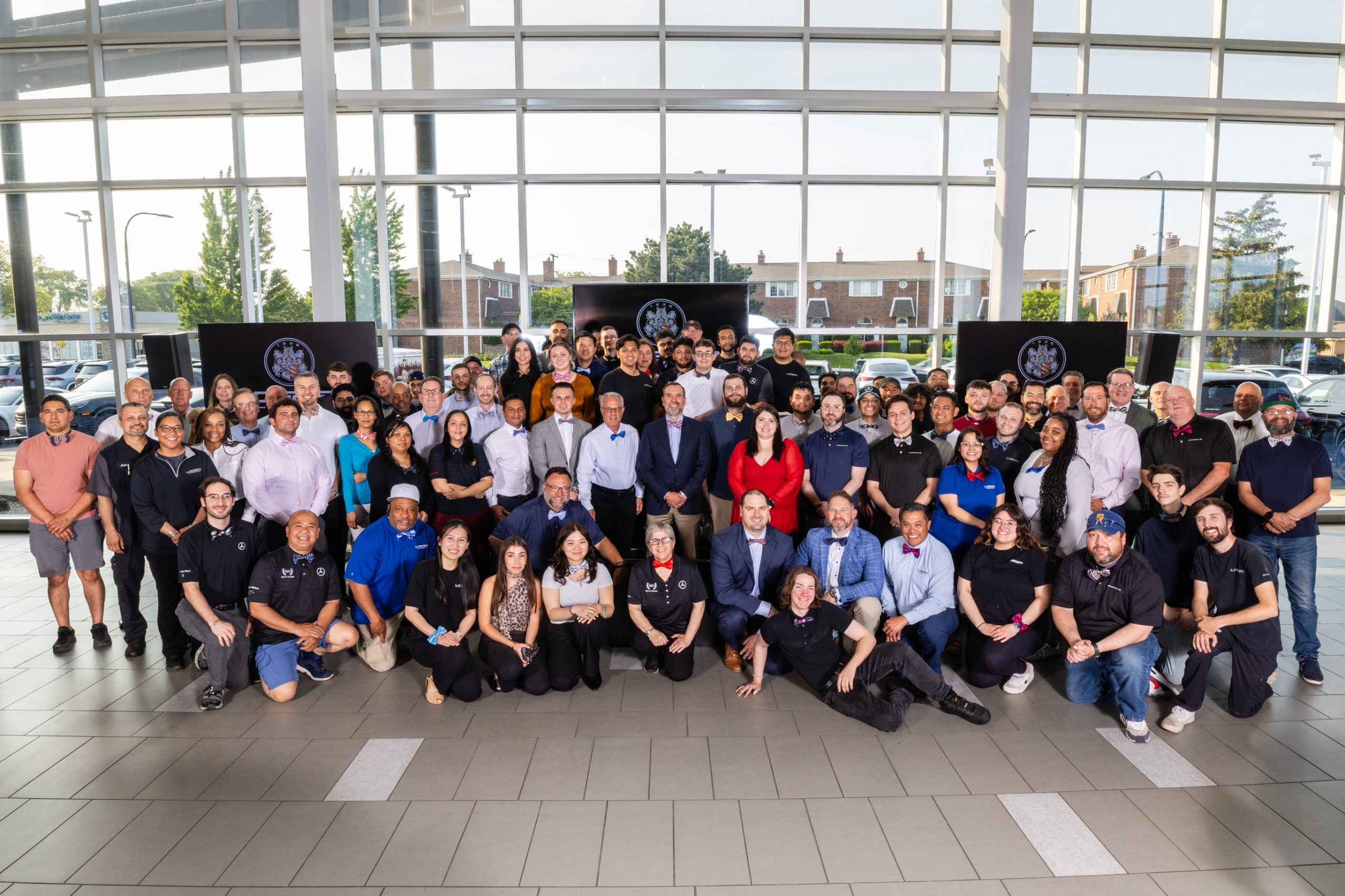
It’s official! 2026 marks our 90 th year as a locally owned and family operated automotive dealer group, serving Chicagoland’s luxury automotive sales and service needs with purpose, passion, and pride. It’s been a true pleasure to serve generations of families for nine decades. From the very first handshake in 1936 to the latest vehicle delivery, every mile on this journey has been guided by a simple belief that our success is measured by the trust and confidence our customers place in us. Our founder, Martin Loeber, bought his first dealership in downtown Chicago in 1936, and since that day we’ve been honored to be a part of this vibrant community. As the years have rolled by, Loeber Motors has grown and evolved, yet our core commitments have remained steady: integrity, service, and a genuine love for the brands we represent. We’ve built lasting relationships, supported local initiatives, and committed ourselves to excellence in every interaction from the showroom floor to the service bay, and everywhere in between. In 2026, we celebrate the milestones we’ve accomplished, but more importantly, we express our gratitude to every single client we’ve had the pleasure to serve. Your loyalty, referrals, and trust have shaped our path and inspired us to continually raise the bar. We’ve learned from you, adapted with you, and grown because of you. Thank you for being a part of Loeber Motors’ 90-year legacy. Your support has inspired three generations of Loeber family leadership, teamwork, and giving back to the Chicago communities we call home. The journey continues and we are honored to share it with you. As we look ahead, we remain devoted to helping you find the right vehicle, delivering the service you expect, and embracing the innovations that will carry us into the next era of mobility. Here’s to the road ahead, together.

2026 Porsche 911 Hybrid blending classic 911 heritage with Porsche’s electrified performance future

2026 Porsche 911 Hybrid: The First Electrified 911 Arrives — What Chicago Drivers Need to Know

The upcoming 2026 Porsche 911 is already one of the most talked-about performance cars of the decade. And for the first time in the model’s 60-year history, Porsche is introducing a hybrid-assisted powertrain. more This is not an EV and not a plug-in system. It’s a lightweight, performance-first hybrid engineered to make the 911 faster, sharper, and more responsive without disrupting the essential character that has defined it since 1964. Latest Porsche 911 Inventory Porsche has been refining hybrid racing technology for years through the 919 Hybrid and 963 prototypes, and much of that learning now makes its way into the 992.2 generation. The goal is simple: build the quickest, most stable, and most precise 911 ever sold. In early testing, the new hybrid system delivers instant torque without noticeable added weight, strengthening mid-range acceleration and improving track consistency. The 2026 Porsche 911 Hybrid introduces subtle design updates that modernize the classic 911 silhouette while preserving its heritage. The design receives its own evolution as well. Updated lighting signatures, refined aerodynamics, and subtle shape revisions elevate the 911 without compromising its identity. The cabin embraces Porsche’s latest digital cockpit, blending analog details with modern interface upgrades. Improved driver-assistance systems and navigation enhancements make daily driving more intuitive, especially for urban and suburban commuters. For Chicago drivers, the hybrid powertrain brings meaningful advantages. The added electric torque improves traction when pulling out of corners or navigating slick pavement during winter months. The efficiency upgrade offers better range between fill-ups, which benefits both downtown driving and longer weekend trips out of the city. Porsche is positioning this 911 not as a departure from tradition, but as an advancement of everything enthusiasts already love. Demand for the hybrid 911 is already building nationwide because this model combines the heritage of the 911 with the performance future of Porsche. With early allocations expected to be limited, those seeking to order the 2026 911 will benefit from contacting their local dealership well ahead of the market rush. The 2026 Porsche 911 Hybrid marks the arrival of the first electrified 911, blending iconic performance with modern hybrid technology. Beyond its headline-grabbing hybrid system, the 2026 911 also showcases meaningful engineering refinements that deepen its everyday livability. Porsche has recalibrated the suspension architecture to work in harmony with the electric assist, resulting in sharper turn-in, flatter cornering, and improved stability at high speeds. Updated active dampers respond more quickly to uneven surfaces—an advantage Chicago drivers will notice immediately on expansion joints, patched pavement, and long winter-worn stretches of highway. The result is a 911 that maintains its trademark agility while offering greater composure in real-world conditions. Braking performance sees advancement as well. The hybrid system allows for more efficient energy recovery under deceleration, reducing wear on the physical brakes in everyday driving. Porsche has improved pedal feel and modulation, giving drivers more confidence whether they are navigating downtown traffic or carving through expressway on-ramps. For those planning occasional track days, the hybrid assist also stabilizes the 911’s braking zones, allowing more consistent lap times across longer sessions. Inside the cabin, Porsche’s focus on ergonomics and usability continues to evolve. The central display features quicker processing, cleaner menu organization, and more customization for performance data. Drivers can monitor hybrid boost levels, torque distribution, and chassis behavior in real time—features particularly appreciated by enthusiasts who want deeper insight into how the new system operates. Enhanced smartphone integration, expanded driver profiles, and subtle improvements in seating comfort also make the 2026 911 more adaptable for households that use the car for both commuting and weekend driving. Inside the 2026 Porsche 911 Hybrid, advanced technology meets driver-focused ergonomics designed for everyday driving—even in Chicago conditions. The hybrid 911 also benefits from more refined sound management. Porsche has tuned the powertrain to ensure that the iconic flat-six exhaust note remains dominant, while the electric assist contributes quietly and seamlessly. This preserves the emotional connection that defines the 911 experience. Even at low speeds, where hybrid systems in other sports cars can feel muted or artificial, Porsche has ensured that throttle response remains immediate and mechanical, reinforcing why the 911 continues to stand apart. It's a commitment that sets Porsche apart. From a broader perspective, the introduction of a hybrid-assisted 911 signals Porsche’s commitment to performance innovation without sacrificing tradition. This model bridges the gap between combustion heritage and the electrified future, giving buyers a glimpse of what high-performance engineering will look like over the next decade. For Chicago-area enthusiasts—many of whom drive year-round—the added traction, efficiency, and drivability create a more versatile sports car that performs consistently in all seasons. The 2026 Porsche 911 Hybrid reflects Porsche’s commitment to innovation without compromising the driving experience Chicago drivers expect. Ultimately, the 2026 911 hybrid represents one of the most significant evolutions in the model’s history. It enhances the formula without altering its soul, offering drivers a faster, more intelligent, and more adaptable version of the world’s most iconic sports car. Reserve the 2026 Porsche 911 Hybrid Near Chicago To secure early allocation details or join the interest list, visit Porsche Lincolnwood, Chicago’s destination for 911 sales, customization, and performance expertise. Fast Answers Powertrain: Performance hybrid with electric torque assist Performance goal: Faster 0–60, stronger mid-range pull, increased stability Design updates: Revised lighting, aero improvements, fresh front/rear fascia Interior updates: New digital cockpit, updated driver tech, refined materials Availability: Expected second half of 2025 into 2026 Ideal for: Buyers wanting the most advanced 911 ever built without losing the classic feel Why it’s good for Chicago drivers: Better traction in varied weather, increased efficiency, powerful daily usability Pricing: Expected upward of current 911 Carrera models; final MSRPs released closer to launch

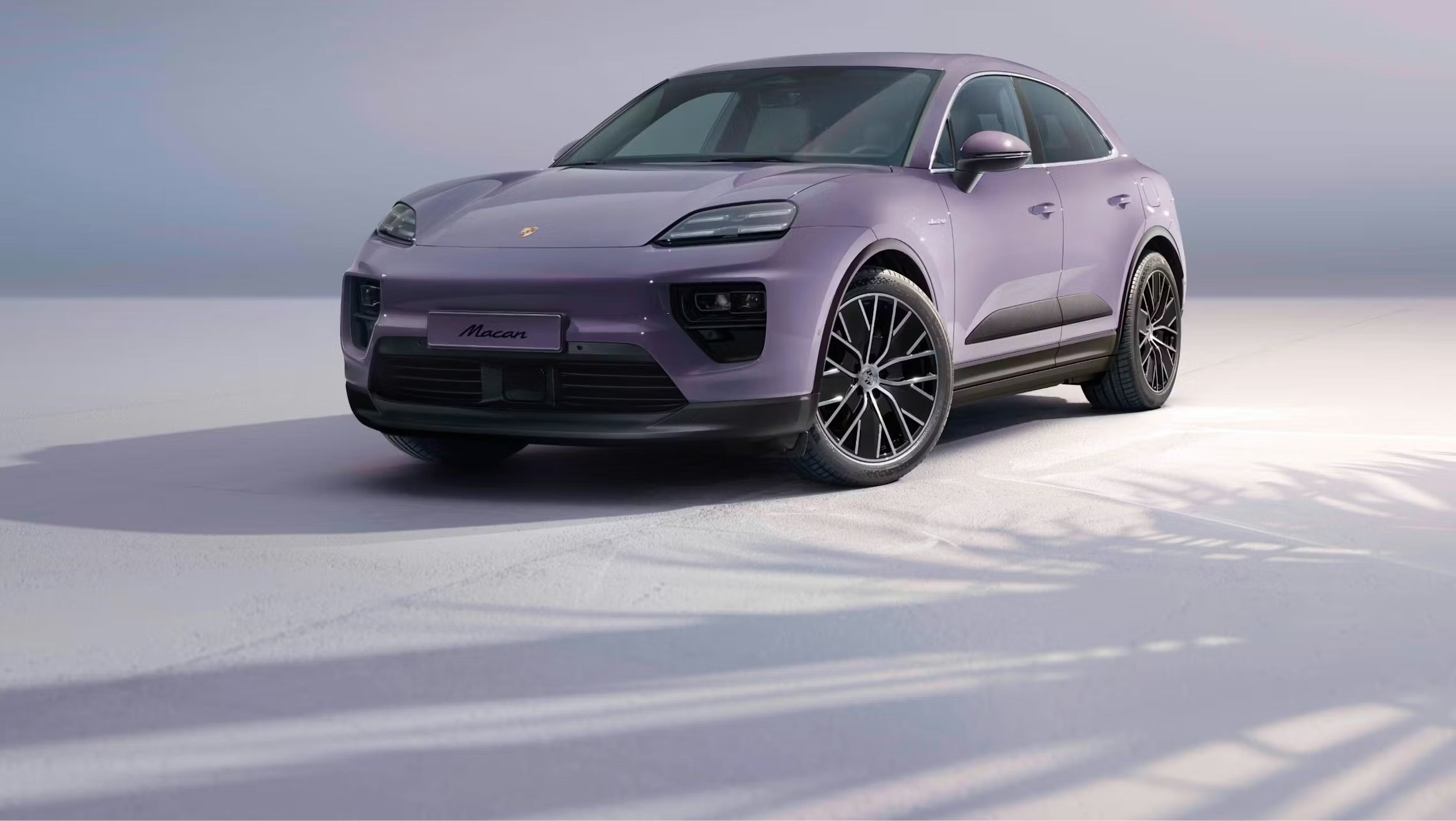
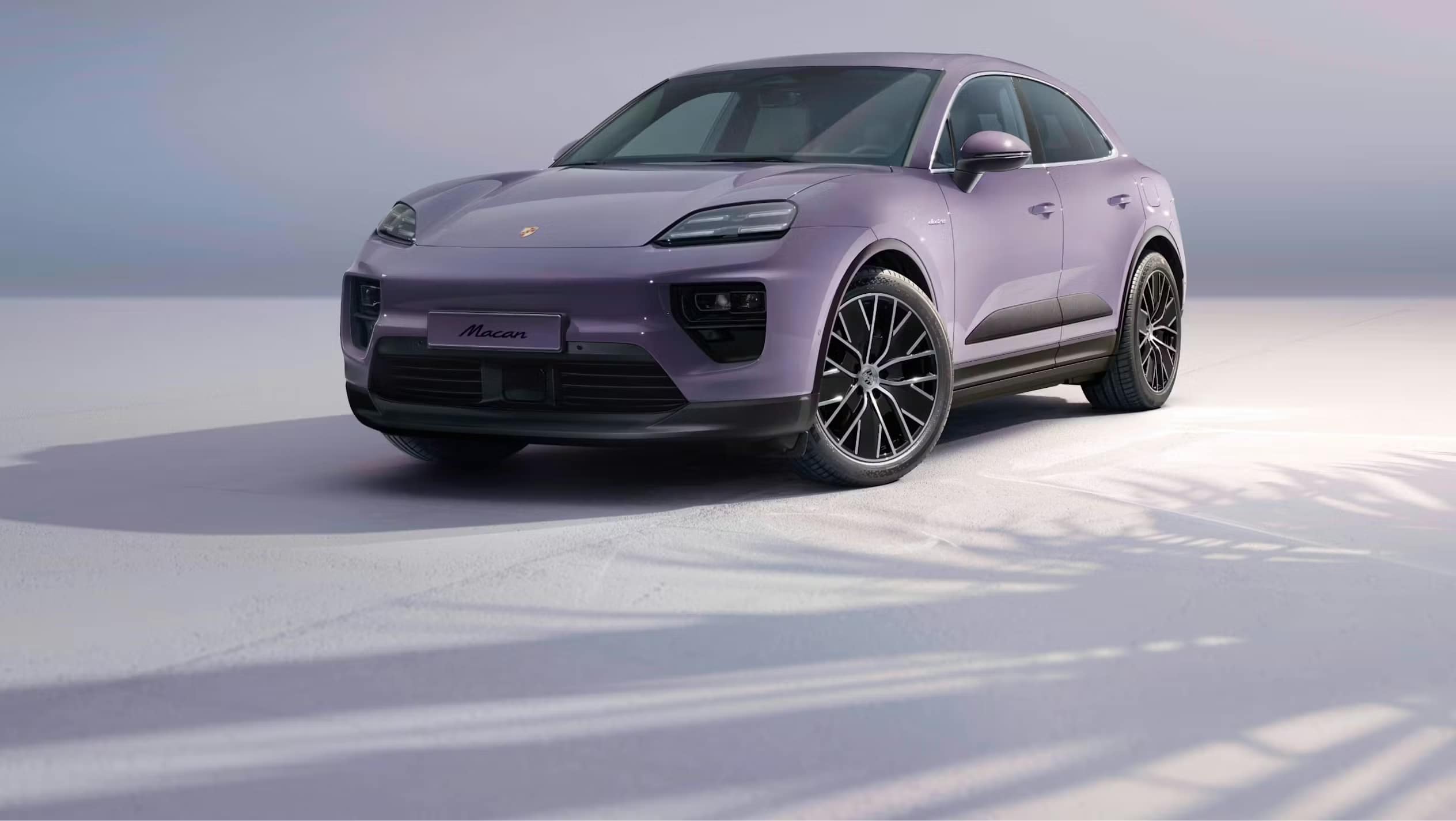
2026 Porsche Macan EV all-electric SUV showcasing Porsche design and performance

2026 Porsche Macan EV: Porsche’s All-Electric SUV Arrives With Power, Range, and Everyday Usability

The Macan has long been one of Porsche’s most popular models, and the transition to a fully electric platform represents one of the brand’s biggest milestones. The 2026 Macan EV is built on Porsche’s new Premium Platform Electric (PPE), a significant leap that delivers higher efficiency, stronger performance, and excellent charging speeds. Unlike many new EVs introduced by luxury brands, this one feels engineered from the ground up rather than converted from an existing gasoline counterpart. more Latest Macan Inventory Drivers will immediately notice how balanced the Macan EV feels. Porsche intentionally tuned it to preserve the spirited, agile personality the Macan is known for. The chassis is responsive but not harsh, making it well suited for both city driving and longer commutes into the suburbs. The interior is anchored by Porsche’s latest digital cockpit ecosystem, offering a smooth integration of driver settings, navigation, and real-time charging data. Behind the wheel, the 2026 Porsche Macan EV delivers balanced handling and confident performance suited for daily driving. For Chicago-area drivers, the Macan EV stands out for its year-round practicality. With Porsche’s dual-motor all-wheel-drive system and improved traction control, the vehicle provides confident handling in snow, rain, and icy conditions. The upgraded heat pump minimizes winter range loss, an important factor for anybody relying on electric power during long, cold stretches. The overall experience leans heavily into comfort and convenience, combining luxury appointments with real-world efficiency. Public charging access continues to strengthen across Chicago. And with the Macan EV’s 800-volt architecture, high-speed charging becomes a realistic part of daily life rather than a special occasion. This positions the Macan EV as one of the most compelling electric luxury SUVs on the market, particularly for households seeking both practicality and performance. The Macan EV’s performance character reflects Porsche’s racing heritage. Much of what sets this model apart comes from how precisely Porsche has tuned the power delivery across its dual-motor setup. Acceleration is immediate but controlled, giving drivers the sensation of continuous, uninterrupted torque without any of the abrupt surges common in less refined EV systems. Handling remains a defining strength: the low-mounted battery pack lowers the center of gravity, improving cornering stability and allowing the Macan EV to feel planted during high-speed maneuvers on the Kennedy or the Tri-State. Steering feedback is also notably sharper than most electric SUVs, delivering a more analog connection that enthusiasts appreciate. Even during everyday driving—lane changes, merging, navigating tight urban streets—the Macan EV feels confident, athletic, and unmistakably Porsche. With instant torque and sharp dynamics, the 2026 Porsche Macan EV reflects Porsche’s performance-driven heritage. Range reliability is another area where the Macan EV distinguishes itself. Porsche’s active thermal management system continually adjusts battery temperature to maintain consistent performance, even during extreme temperature swings. In practice, this means winter range degradation is minimized, and drivers can expect predictable charging sessions throughout the season. This is particularly important in Chicago, where long commutes, lake-effect cold, and fluctuating temperatures often challenge EV efficiency. Porsche’s engineering ensures that the Macan EV remains a dependable option year-round, making it one of the best-balanced electric SUVs for harsh climates. Inside the cabin, the Macan EV offers an elevated blend of technology and comfort. High-quality materials, a panoramic digital display, and customizable drive modes allow the driver to personalize nearly every aspect of the experience. The seating position is slightly sportier than traditional SUVs, giving a more engaged posture without sacrificing long-distance comfort. Acoustic insulation has been improved as well, creating a quieter cabin even at higher speeds. Porsche also focused on integrating charging and navigation tools more seamlessly: route planning automatically accounts for charging locations, energy usage, and traffic flow, making road trips more predictable and reducing planning friction for new EV owners. Inside, the 2026 Porsche Macan EV combines advanced technology, premium comfort, and practical everyday usability. Cargo versatility remains an important selling point. Despite its sporty profile, the Macan EV offers generous rear storage space, fold-flat seating, and a front trunk for smaller items. Families, commuters, and urban professionals will find the interior layout practical for weekend travel, errands, or transporting equipment. Porsche’s thoughtful design ensures that the Macan EV functions as both a daily driver and a versatile utility vehicle. Charging convenience is a core part of the Macan EV ownership experience. Porsche’s 800-volt charging capability significantly reduces downtime, allowing drivers to add substantial range in short charging sessions. This makes high-speed charging both accessible and realistic for everyday use. Chicago-area infrastructure continues to expand, with high-capacity stations increasingly available in neighborhoods like Lincoln Park, Evanston, Oak Brook, and Schaumburg. For drivers who rely on a mix of home and public charging, the Macan EV offers flexibility: home Level 2 charging covers most daily needs, while fast charging supports longer trips to Milwaukee, Lake Geneva, or Michigan’s shoreline. Ownership support also continues to improve as Porsche evolves its EV network. Software updates now arrive over the air, keeping vehicle systems current and extending functionality without requiring dealership visits. Service intervals remain minimal compared to gasoline models, and Porsche’s EV-trained technicians ensure strong long-term support. These elements contribute to an ownership model that feels modern, predictable, and aligned with the expectations of luxury buyers. With instant torque and sharp dynamics, the 2026 Porsche Macan EV reflects Porsche’s performance-driven heritage. Altogether, the 2026 Macan EV represents a thoughtful, performance-forward approach to electrification. It balances speed, refinement, and practicality in a way few competitors achieve, making it a standout choice for Chicago drivers seeking a luxury EV that excels in all seasons. As Porsche continues to expand its electric portfolio, the Macan EV is positioned to become one of the brand’s defining models —both technologically and culturally—marking a turning point in how Porsche owners experience everyday performance. Where to Explore the Macan EV Near Chicago For reservations, trim guidance, or winter-driving considerations, visit Porsche Lincolnwood, serving the greater Chicago region with new EV inventory and expert Fast Answers Starting price: Expected mid–$70,000s to low–$80,000s Trims: Macan EV, Macan 4, Macan Turbo EV Range: Estimated 250–300+ miles depending on configuration Charging: 800-volt system supports extremely rapid DC fast charging Performance: 0–60 mph projected ~3.1 seconds (Turbo) Warranty: 4-year / 50,000-mile vehicle warranty; 8-year battery warranty Ideal for: Drivers needing a practical luxury SUV with performance DNA Why it’s good for Chicago drivers: AWD confidence in snow, minimal winter range degradation, and strong charging access throughout the metro area

2026 Porsche EVs for Sale in Chicago IL

Upcoming Porsche EVs for 2026: Taycan Updates, Macan EV Expansion and the Cayenne EV

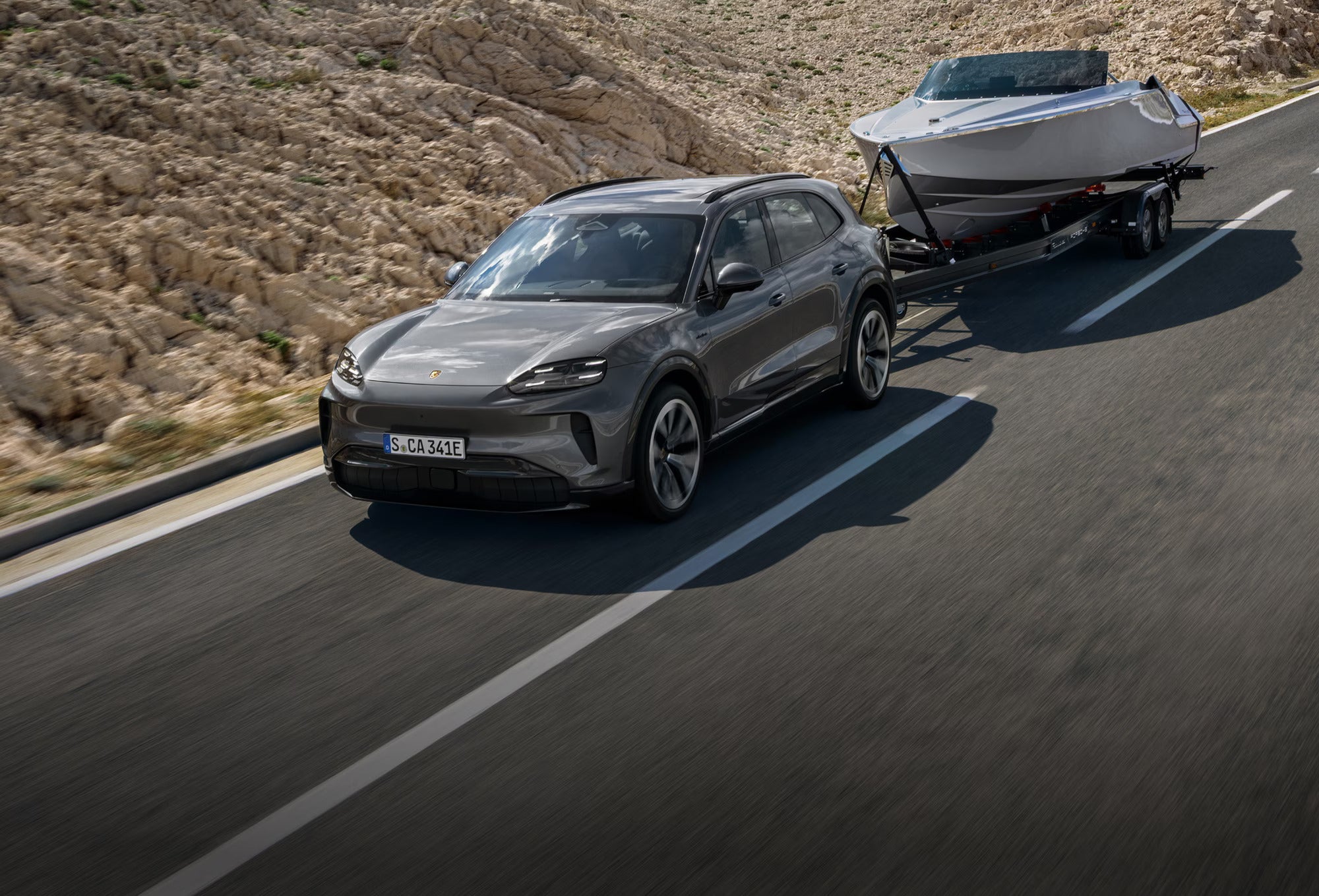
Porsche’s shift toward full electrification accelerates in 2026, with several major updates and new models poised to expand the brand’s EV footprint. The strategy is clear: Porsche intends to lead the performance-EV segment, not simply participate in it. The year ahead will deliver refinements to existing platforms, new variants for popular models, and the early stages of Porsche’s entry into larger electric SUVs. more Latest Porsche EVs The Taycan will continue to anchor the brand’s electric portfolio. Porsche has prepared a round of updates focused on improved battery efficiency, software refinement, and enhanced real-world range. Drivers will see smoother charging curves, quicker power delivery, and a more intuitive cabin interface. These adjustments follow Porsche’s pattern of incremental but meaningful improvement, ensuring the Taycan stays ahead of competitors in both engineering and driving enjoyment. The Porsche Taycan receives key updates for 2026, strengthening its role in Porsche’s expanding EV lineup. The Macan EV is set to expand with new trim levels and broader availability in multiple markets. As Porsche’s first EV SUV on the new PPE platform, demand is expected to outpace early allocations. The 2026 model year will benefit from software refinements, more range clarity, and additional performance-oriented configurations. This positions the Macan EV as one of the most important models in Porsche’s transition into a fully electric lineup. Perhaps the most anticipated development is the early signaling of a Cayenne EV. Although not yet released, Porsche has publicly confirmed that the Cayenne will transition into a fully electric model as part of its long-term strategy. Early prototypes suggest a sizable electric SUV with Porsche’s signature performance dynamics, advanced thermal management, and strong towing capability. This model is expected to appeal to families who want the spaciousness of a Cayenne combined with the efficiency and reduced maintenance of electric power. With ongoing infrastructure improvements across the U.S. and in metropolitan areas like Chicago, Porsche’s new EVs are increasingly practical for daily life. The brand’s focus on range stability, durability, and winter performance makes this lineup especially well suited for Midwest drivers. The coming year marks a significant step forward, signaling Porsche’s intention to deliver an entire ecosystem of electric driving experiences rather than isolated models. The Macan EV expansion highlights Porsche’s push toward practical, everyday electric performance in 2026. As Porsche’s electric roadmap accelerates, the company is also building a more cohesive ownership ecosystem around these new vehicles. Charging integration, software architecture, and long-term battery durability are now central pillars of Porsche’s EV development strategy. The transition from model-by-model electrification toward a unified electric platform means faster updates, greater efficiency gains across the lineup, and more consistent performance characteristics from sedan to SUV. For owners, this translates to fewer unknowns and more predictability as the brand expands its electric presence. The Macan EV will play an essential role in this next phase, functioning as the bridge between Porsche’s traditional performance DNA and its electric future. Demand has already been strong for the Macan EV particularly among drivers who want a compact SUV with sports-car acceleration and year-round usability. As software and battery refinements roll out over the 2026 model year, buyers can expect improved thermal management, a more adaptive suspension profile, and enhanced range consistency during Chicago winters. These upgrades will solidify the Macan EV’s position as Porsche’s most accessible and versatile electric model. Porsche blends performance DNA with innovation as the Cayenne EV joins the 2026 electric lineup. Meanwhile, anticipation surrounding the Cayenne EV continues to build. Although still in early development, Porsche’s engineering focus appears to be centered on preserving the Cayenne’s hallmark capabilities: confident handling, high-speed stability, and family-friendly practicality. Early prototype evaluations indicate that the Cayenne EV will likely feature a wider stance, advanced torque-vectoring technology, and high-output motors capable of delivering SUV-class leading acceleration. It is also expected to showcase Porsche’s next-generation infotainment system and improved DC fast-charging compatibility, making long-distance travel more seamless for Midwest drivers. Battery longevity is another priority. Porsche’s push toward higher-density cells and optimized charge cycles aims to extend battery lifespan while maintaining consistent performance across temperature extremes. This is particularly relevant in markets like Chicago, where seasonal shifts can dramatically affect EV efficiency. With enhanced preconditioning, smarter navigation-based charging recommendations, and more stable winter range, Porsche’s 2026 EV lineup will feel better integrated into the realities of Midwest driving. Improved battery technology supports the long-term performance of Porsche EVs arriving in 2026. Looking ahead, Porsche’s broader electrification strategy signals a transition not just to new types of vehicles but to a new ownership experience—one centered on software reliability, rapid charging, and performance that remains unmistakably Porsche. As models like the Taycan continue to evolve and the Macan EV expands its footprint, drivers will have more options than ever to enter Porsche’s electric era with confidence. Explore Options Near Chicago for Porsche EVs To learn more about availability, allocation timelines, and test drives, visit Porsche Lincolnwood, the Chicago area’s leading location for Porsche EV models. Porsche EV Highlights: Models highlighted: Taycan (updated), Macan EV (expanded trims), Cayenne EV (anticipated future release) Estimated pricing: Taycan low–$100Ks; Macan EV mid–$70Ks+; Cayenne EV TBD Range expectations: Continual software-based improvements; Macan EV projected 250–300+ miles Charging architecture: 800-volt systems across Taycan and Macan EV Availability: Taycan and Macan EV widely available 2025–2026; Cayenne EV expected after 2026 Ideal for: Drivers seeking luxury performance EVs with proven engineering Why it’s good for Chicago drivers: Stable cold-weather range, AWD performance, and broader fast-charging access

2026 Porsche 911 lineup update showcasing the iconic sports car Chicago drivers can expect.

2026 Porsche 911 Lineup News: What Chicago Drivers Can Expect From the Updated Icon

The Porsche 911 enters the 2026 model year with a collection of upgrades that reflect Porsche’s goal of refining the car rather than reinventing it. The arrival of the first hybrid-assisted 911 grabbed most of the early headlines, but the rest of the lineup is experiencing meaningful adjustments that matter just as much for everyday Chicago-area drivers. The 911 has always balanced tradition with innovation, and the 2026 model year demonstrates how Porsche continues to elevate that balance. more Latest 911 Inventory For 2026, the biggest story is the arrival of Porsche’s new hybrid-assisted powertrain, which will be available on select trims. This system, engineered more for performance than efficiency, allows the 911 to deliver sharper acceleration, stronger off-the-line response, and more controlled traction in mixed weather conditions. Chicago drivers, especially those who travel throughout the northern suburbs or use the car year-round, will notice the added stability that the electric motor provides. It’s not a plug-in hybrid and doesn’t require charging; instead, it supplements the flat-six engine with electrically generated torque, offering immediate response even in colder temperatures. The broader 2026 Porsche 911 lineup offers multiple trims and performance options for Chicago drivers. Beyond the hybrid variant, the broader 911 lineup receives chassis improvements that enhance its behavior on Chicago’s mix of smooth highways and uneven city streets. Porsche has made subtle changes to the adaptive dampers, allowing the car to remain more composed on rougher pavement while still delivering the communicative steering and precision for which the 911 is known. This is particularly valuable on stretches of road like the Kennedy Expressway or Lakeshore Drive, where pavement conditions can vary widely. Updates to the steering system aim to offer a more natural feel at low speeds while maintaining high-speed stability. Interior refinements also play a significant role in the 2026 updates. Interior refinements in the 2026 Porsche 911 focus on comfort, technology, and driver engagement. Porsche continues to modernize the 911’s technology without compromising the minimalist spirit of the cabin. The infotainment system receives a faster processor and improved connectivity, which makes wireless CarPlay more reliable during Chicago winters. Porsche’s updated interface also helps drivers navigate charging networks for hybrid use, even though the 911 hybrid does not require external charging. New materials and stitching options give the interior a more upscale feel, while improvements to the seat comfort support long trips on Midwest highways. Current gasoline-powered 911 models also benefit from small but meaningful updates. Revised turbocharger calibration offers a more predictable throttle response, helping the car feel smoother in daily driving scenarios. Drivers who encounter stop-and-go traffic on the Edens Expressway will appreciate the improved low-speed behavior. Porsche also fine-tuned the cooling system to support more consistent performance in both hot summers and cold winters. These updates make the car easier to live with, regardless of season or driving conditions. Aerodynamics play another important role in the 2026 refresh. Porsche has subtly adjusted the airflow around the front fascia and side intakes to improve stability and reduce turbulence at highway speeds. These changes may seem minor, but they contribute to fuel efficiency and high-speed confidence. Drivers will notice these refinements during longer freeway stretches or on open suburban parkways. The car’s updated tire and wheel packages also help enhance four-season performance, especially when paired with appropriate all-season or winter tires. Enhanced aerodynamics improve performance and stability in the 2026 Porsche 911 lineup. One of the key reasons the 911 remains so popular in the Chicago area is its dual personality. It’s a thrilling sports car capable of track-ready dynamics, yet it can handle everyday commutes, weekend drives, and even winter travel when properly equipped. Porsche’s incremental enhancements for 2026 reinforce this versatility. Whether navigating downtown streets or cruising along Sheridan Road, the updated 911 is designed to deliver a smoother, more intuitive ride. Looking ahead, Porsche’s approach to electrification hints that more hybrid assistance and refined electric components may appear across the 911 lineup in future model years. However, Porsche executives have consistently emphasized the importance of maintaining the flat-six engine, and the 2026 lineup demonstrates that both traditional and electrified performance can coexist. For Chicago-area buyers, the 2026 911 lineup offers more customization, better everyday drivability, and expanded performance options. The combination of mechanical upgrades, interior refinements, and new hybrid technology makes it one of the strongest 911 ranges to date. Drivers interested in comparing the different trims or test-driving the hybrid variant can visit Porsche Lincolnwood for availability details. To learn more please reach out to Porsche Lincolnwood today! Fast Answers: 2026 Porsche 911 Highlights Major update: the introduction of the first performance-oriented hybrid-assisted 911 trim. Interior: improved infotainment speed, enhanced connectivity, new materials. Powertrain: smoother low-speed behavior, revised turbo calibration on gasoline models. Handling: better adaptive damping and refined steering for Chicago’s mixed road conditions. Aerodynamics: small exterior adjustments for stability and efficiency. Ideal for: drivers who want track-level capability with real-world comfort. Availability: expected throughout 2025 into 2026 at Porsche Lincolnwood.

Contact Us

Fill out this form below and we'll contact you shortly
*Required Fields