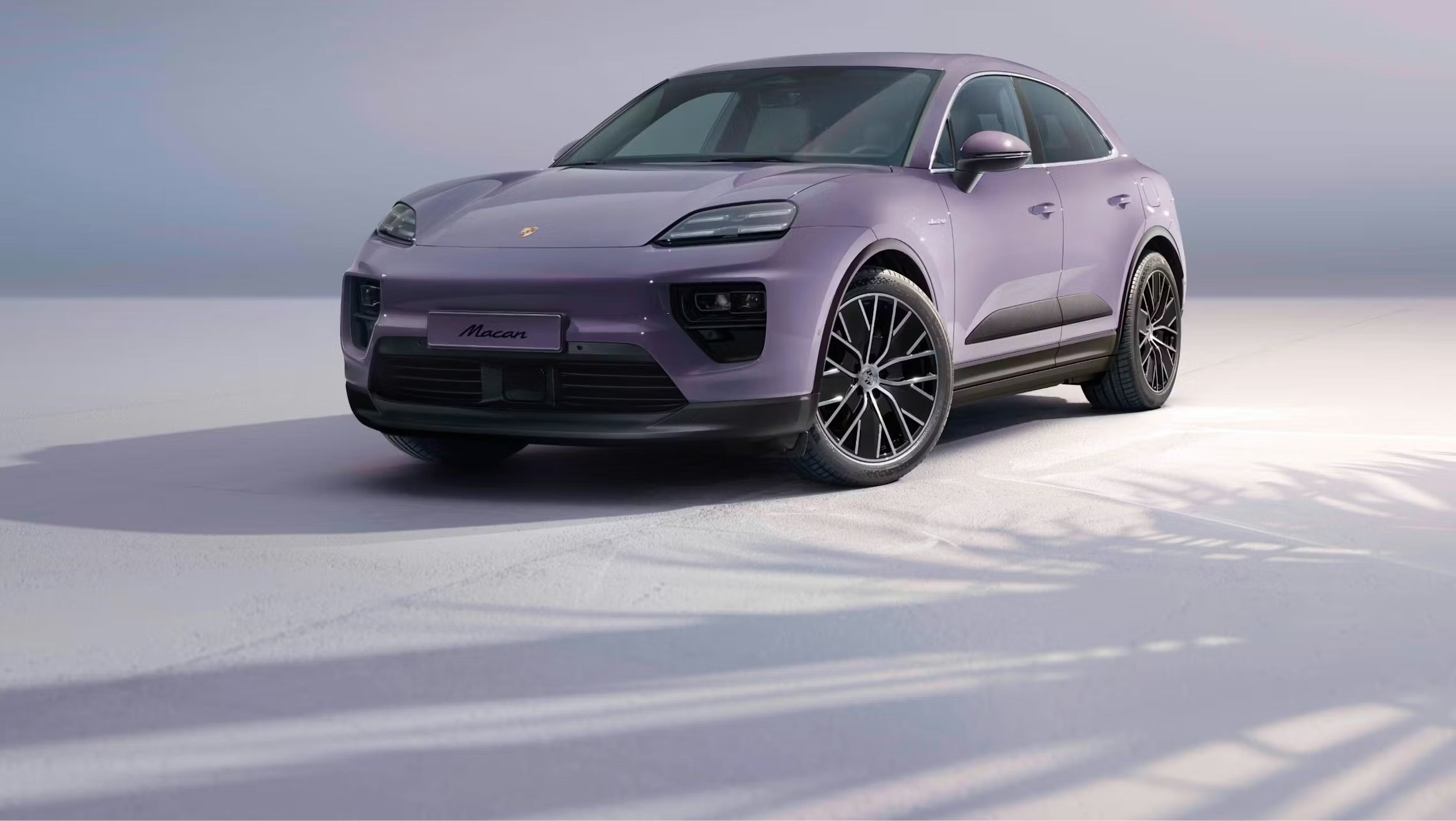
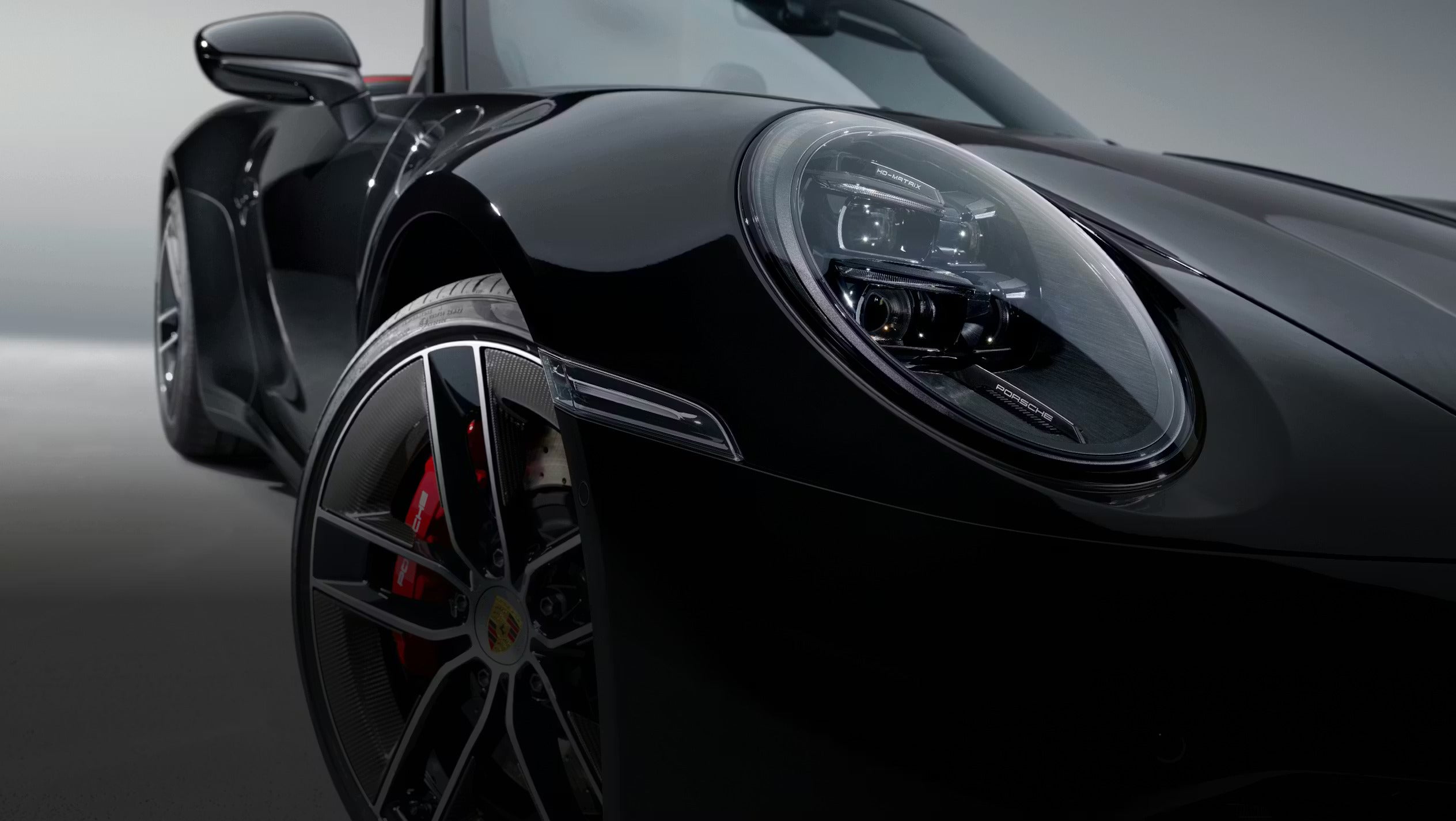
Blog / Porsche News

Blog

All Porsche News Lincolnwood Porsche Dealer Porsche Lincolnwood Community News Porsche EV Lincolnwood Used Cars Cayenne porsche 911 Lincolnwood Porsche Service New Dealership Construction Update Porsche Macan Loeber Motors Porsche Service 718 Performance SUVs Awards & Recognition Porsche 911 Carrera Porsche Taycan
Porsche Cayenne electric flagship SUV concept showing the future of the Cayenne with modern luxury styling and electric performance design.

The Future of the Cayenne: Porsche Prepares Its Electric Flagship SUV

Porsche has been preparing for an electric future for more than a decade, but the upcoming all-electric Cayenne represents something fundamentally different from its earlier efforts. Unlike the Taycan, which introduced the brand’s electric performance philosophy in a relatively specialized segment, the Cayenne sits at the center of Porsche’s global business. Electrifying it is not just a technological move—it is a statement about how the brand intends to translate its identity into a new era. more As of 2026, Porsche has officially confirmed that an all-electric Cayenne is in development, with production planned for later this decade. The project is not being treated as an experimental offshoot. It is being developed as a core model, intended to carry forward the same balance of performance, usability, and everyday practicality that has defined the Cayenne since its introduction. Check Out: Latest 911 Inventory in Lincolnwood The current Cayenne lineup, which includes internal combustion and hybrid variants, remains a major part of Porsche’s sales mix. Recent updates have refined its powertrains, interior technology, and chassis systems, reinforcing its role as a high-performance luxury SUV that can function as a daily driver. The electric version is expected to build directly on that foundation rather than replace it abruptly. Porsche’s strategy has consistently emphasized continuity—evolving its vehicles rather than reinventing them entirely—and the Cayenne EV fits that pattern. Central to this transition is the Premium Platform Electric (PPE), a high-performance electric architecture developed within the Volkswagen Group. This platform is designed to support a wide range of vehicle types, but in Porsche applications, it is tuned specifically for performance and responsiveness. High-voltage systems, rapid charging capability, and flexible motor configurations allow engineers to tailor the platform to different use cases, from more efficiency-focused variants to higher-output performance models. Porsche prepares its electric flagship SUV with scalable EV architecture designed to shape the future of the Cayenne. One of the key advantages of this architecture is scalability. Porsche has rarely limited itself to a single version of a vehicle, and the electric Cayenne is expected to follow that same approach. Just as the current lineup ranges from standard models to more aggressive, performance-oriented trims, the electric version will likely offer multiple configurations. This allows the vehicle to serve both as a practical luxury SUV and as a high-performance flagship within its segment. While early headlines have focused on extreme power figures, Porsche’s actual engineering priorities appear to be more nuanced. Electric vehicles can deliver strong acceleration almost effortlessly, but sustaining that performance over time is far more complex. Heat management, battery stability, and system integration all play critical roles in determining how a vehicle performs under repeated stress. Porsche has already addressed these challenges in the Taycan, where advanced thermal systems allow for consistent performance across multiple acceleration runs. That same philosophy is expected to carry into the Cayenne EV. Read More: Porsche and the Electric Future: What It Means for Drivers in Chicago Handling presents another layer of complexity. The Cayenne has built its reputation on offering driving dynamics that feel unusually precise for a vehicle of its size. Maintaining that character in an electric platform requires careful attention to weight distribution, chassis tuning, and suspension design. Battery placement can actually work to Porsche’s advantage in some respects, lowering the center of gravity and improving stability. However, the overall mass of the vehicle remains a factor that must be managed through engineering rather than masked. Charging capability is equally important, particularly for a vehicle that is often used for long-distance travel. The PPE platform is expected to support 800-volt architecture, enabling significantly faster charging times compared to traditional systems. This allows the Cayenne EV to maintain the practicality that has been central to its appeal, ensuring that performance does not come at the expense of usability. Charging capability will play a major role in the future of the Cayenne as Porsche prepares its electric flagship SUV for long-distance travel. Design is expected to follow Porsche’s typical evolutionary approach. Rather than introducing a radically different form, the electric Cayenne will likely retain familiar proportions while incorporating subtle aerodynamic improvements. This may include revised lighting elements, smoother surface transitions, and active aerodynamic features designed to improve efficiency. Porsche’s design philosophy tends to prioritize continuity, ensuring that new models remain instantly recognizable even as their underlying technology changes. Inside, the transition to electric power is expected to bring further advancements in digital integration. Porsche has been steadily expanding its use of driver-focused displays and connectivity features, and the Cayenne EV will likely continue that trajectory. The emphasis remains on clarity and usability, with technology serving to enhance the driving experience rather than dominate it. The significance of the electric Cayenne extends beyond its technical specifications. It represents a shift in how performance SUVs are defined. Traditionally, this segment has relied on large engines and mechanical complexity to deliver power and capability. Electric architecture changes that equation, allowing for new forms of performance that are defined by responsiveness, precision, and control. At the same time, Porsche has been careful to manage expectations. While the direction of the vehicle is clear, many specific details—such as final power outputs, range figures, and exact release timing—have not yet been publicly finalized. This reflects a broader industry trend, where manufacturers focus on platform capabilities and engineering principles rather than committing to early specifications that may change during development. What is clear is that the electric Cayenne is not being developed in isolation. It is part of a broader strategy that includes electrification across multiple segments, supported by continued investment in both performance and infrastructure. By bringing electric technology into one of its most widely used models, Porsche is signaling that it views electrification not as a niche solution, but as a central component of its future. The Cayenne’s balance of luxury, performance, and utility continues to guide Porsche as it prepares its electric flagship SUV. The Cayenne has always been a vehicle defined by balance. It combines performance with practicality, luxury with usability, and innovation with continuity. The electric version is expected to carry those same qualities forward, translated into a new technological framework. Rather than redefining what the Cayenne is, Porsche appears to be focused on ensuring that it remains what it has always been—just adapted to the demands and opportunities of a changing automotive landscape. Quick Answers Porsche has confirmed that an all-electric Cayenne is in development, expected to arrive later this decade as part of its broader electrification strategy. Rather than focusing on unverified performance figures, the emphasis is on scalable electric architecture, repeatable performance, and real-world usability. This next-generation model reflects a shift toward controlled, consistent performance where battery systems, thermal management, and software integration determine how effectively power is delivered in everyday driving conditions. Frequently Asked Questions Is Porsche actually releasing an electric Cayenne? Yes, Porsche has confirmed that an all-electric Cayenne is in development. It is expected to launch later this decade as part of the brand’s electrification roadmap. Will it be more powerful than current models? It is expected to deliver stronger acceleration and more immediate power delivery, though exact figures have not been confirmed. Electric systems allow for consistent performance rather than just peak output. What platform will it use? The electric Cayenne is expected to use the PPE platform. This supports high-performance configurations, fast charging, and flexible vehicle design. Could it reach over 1,000 horsepower? There is no official confirmation of that level of output. While technically possible, Porsche has not released any specific performance figures. How will it handle compared to gas models? Maintaining Porsche’s signature handling is a major priority. Engineers are focused on weight distribution, chassis balance, and system control. What about range and charging? It is expected to use 800-volt architecture for faster charging. Final range estimates have not yet been announced. Will it still feel like a Porsche? Yes, preserving driving dynamics and responsiveness is central to development. Porsche consistently prioritizes driver engagement across all models. When will it be released? Porsche has indicated it will arrive later this decade. Exact timing has not yet been publicly finalized. Will there be multiple versions? Yes, Porsche is expected to offer multiple variants. This typically includes a range from standard to higher-performance configurations. Why is this model important? It represents a major step in electrifying one of Porsche’s most important vehicles. It also signals how performance SUVs will evolve in the electric era. Key Specifications Platform: PPE (Premium Platform Electric) Powertrain: Multi-motor electric configuration (expected) Architecture: 800-volt system (expected) Performance Focus: Repeatable performance, torque distribution, system integration Segment: Luxury electric performance SUV Expert Summary The electric Cayenne represents a significant transition for Porsche, extending electrification into one of its most widely used and commercially important vehicles. Rather than focusing on headline performance numbers, the development emphasis is on delivering consistent, usable performance that aligns with real-world driving needs. As electric technology continues to mature, the industry is shifting toward systems that prioritize integration, efficiency, and reliability. Porsche’s approach suggests a continuation of its core principles—precision, balance, and driver-focused engineering—adapted to an electric platform.
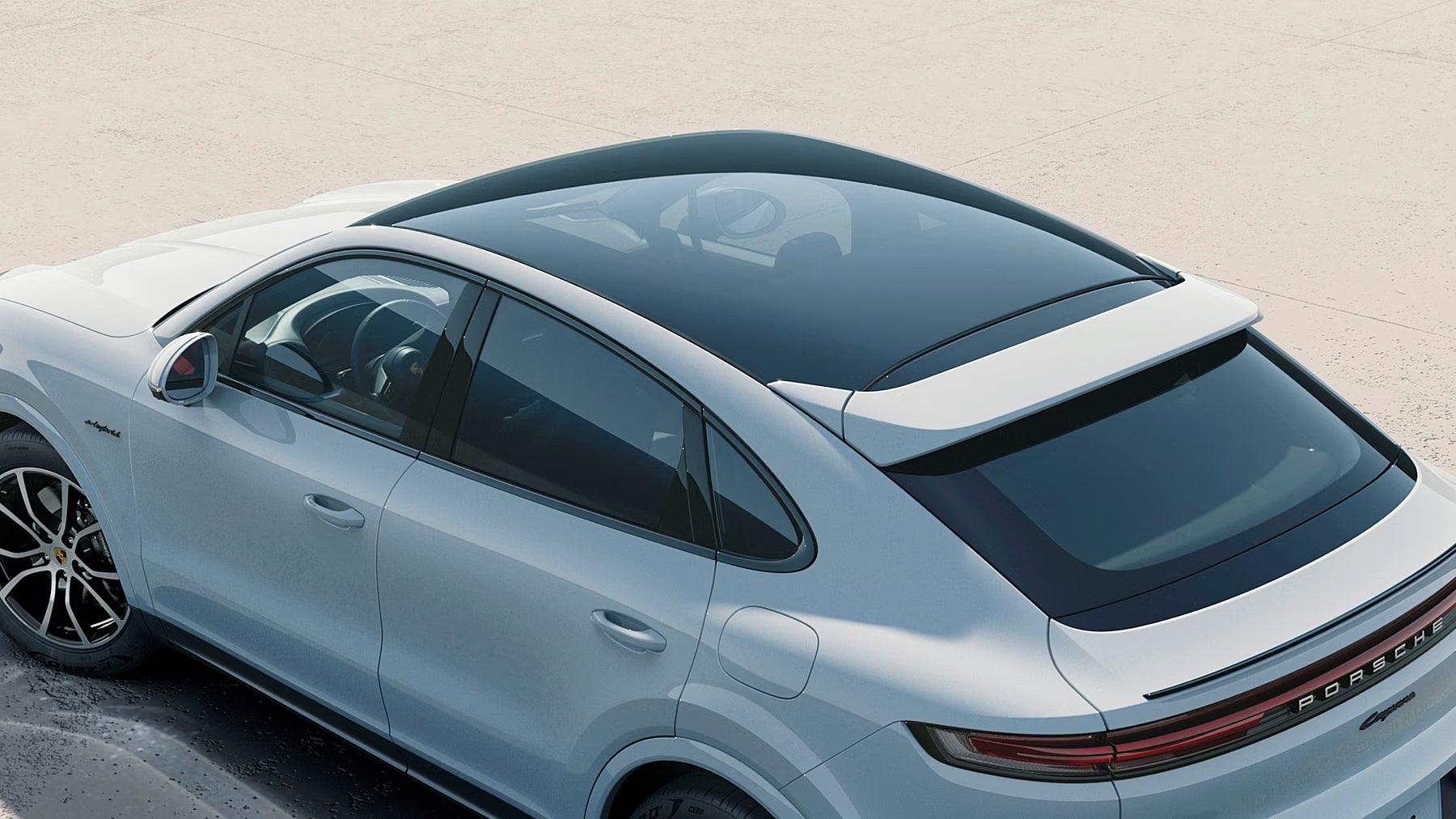
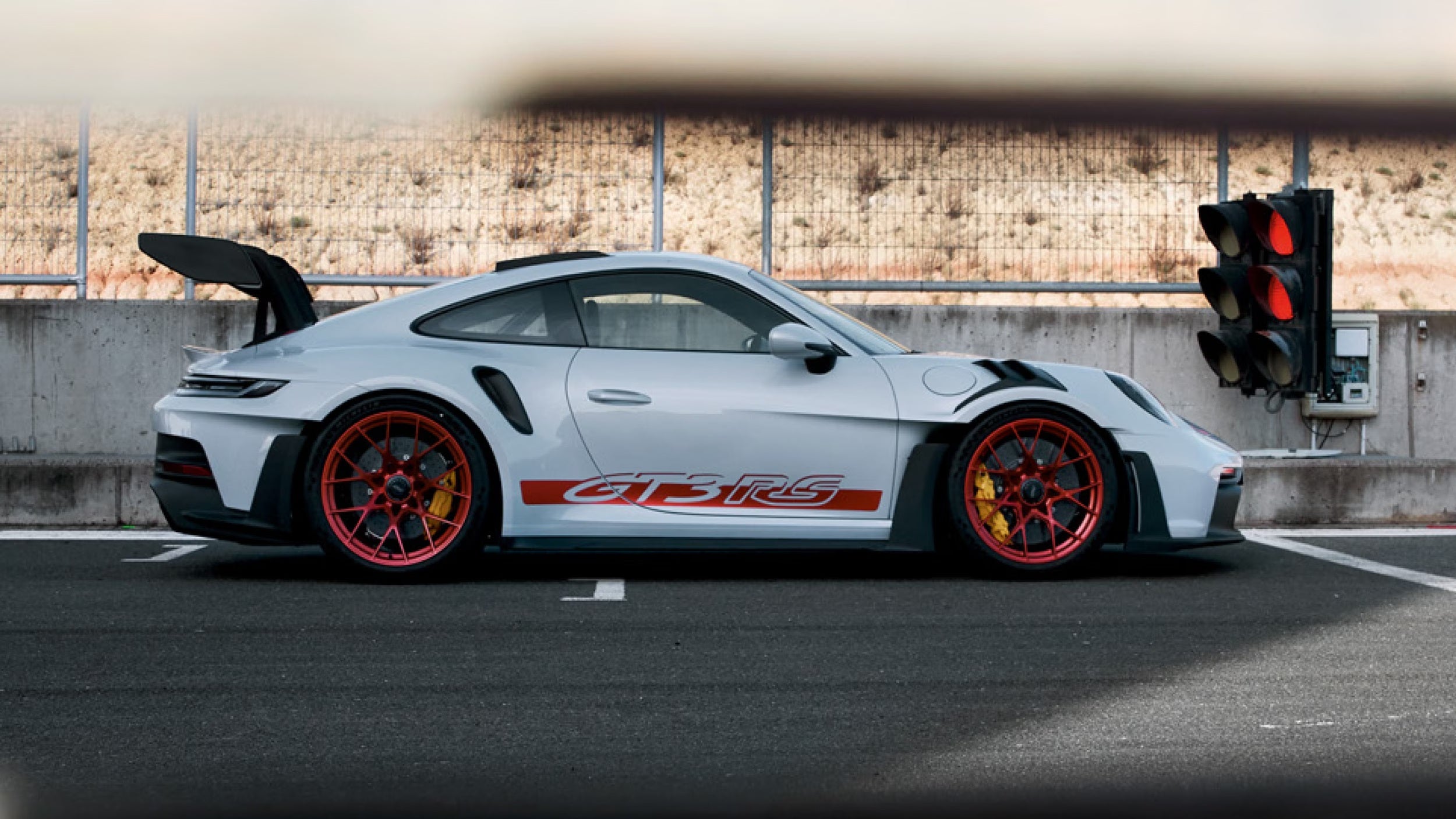
Interior of a Porsche 911 illustrating what the maintenance costs are like for a Porsche 911 in Chicago-area

What Are the Maintenance Costs Like for a Porsche 911?

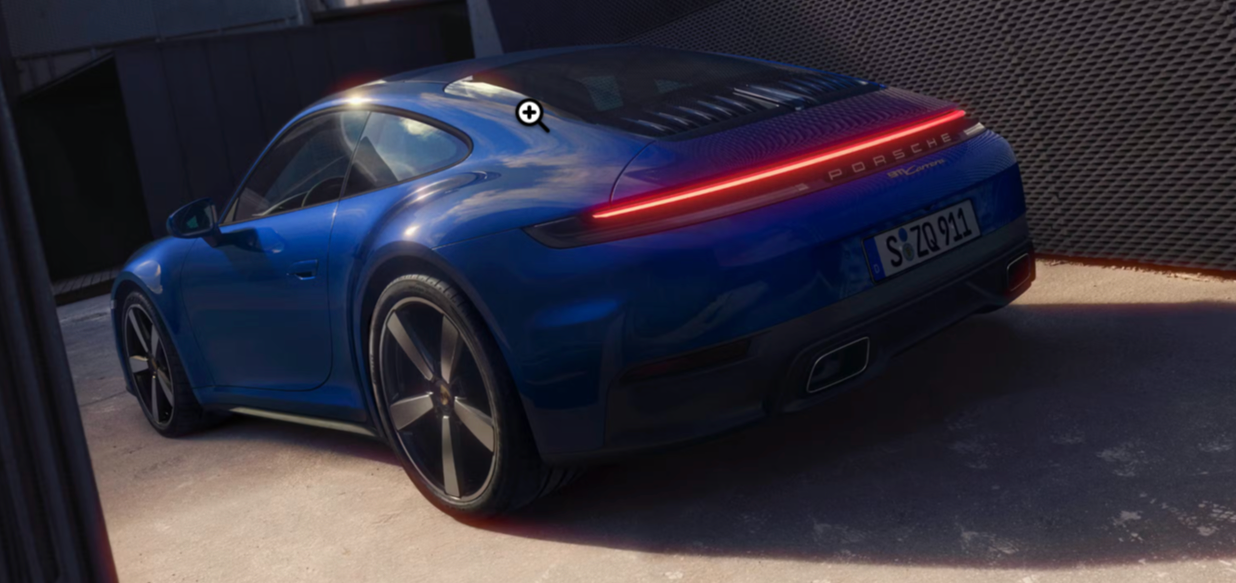
There’s a certain mythology around owning a Porsche 911—the sound, the shape, the heritage—but when you get past the romance, the practical question always comes up: what does it actually cost to maintain one, especially in a city like Chicago-area?ç more The short answer is that maintenance is higher than a typical luxury sedan, but far more predictable—and often more reasonable—than people expect, particularly with newer models and proper service planning. The long answer is where things get interesting. Chicago-area, with its freeze-thaw cycles, road salt, and uneven pavement, is not an easy environment for any performance car. But the modern 911 is engineered with daily usability in mind. This isn’t a fragile exotic—it’s a precision machine designed to be driven year-round if properly cared for. Routine maintenance is the foundation. Porsche follows a structured service schedule, typically every 10,000 miles or once a year. A standard annual service—oil change, inspection, fluid checks—usually falls in the range of $400 to $700 at a certified dealer like Porsche Lincolnwood. That number can climb depending on model year and engine configuration, but it’s not wildly out of line with other high-performance European cars. Where costs begin to separate from mainstream vehicles is in wear items. Brake components, for example, are engineered for performance first. If you’re driving a Carrera in typical city conditions, brake pads may last 20,000 to 30,000 miles. Replacement can run anywhere from $1,200 to $2,500 depending on whether you’re dealing with standard steel brakes or Porsche Ceramic Composite Brakes (PCCB), which are more expensive but last significantly longer. Tires are another variable $1,200 to $2,500 depending on whether you’re dealing with standard steel brakes or Porsche Ceramic Composite Brakes (PCCB), which are more expensive but last significantly longer. Tires are another variable. The 911 uses staggered, high-performance tires that prioritize grip over longevity. In Chicago-area mix of seasons, many owners opt for a dedicated winter set, which adds upfront cost but extends the life of summer tires and dramatically improves safety. Expect around $1,200 to $2,000 for a full set of quality tires, depending on brand and spec. Winter is where Chicago-area ownership really diverges from warmer climates. Road salt can accelerate corrosion if the car isn’t regularly washed, especially underneath. Many owners budget for more frequent detailing or undercarriage cleaning during winter months. It’s not a massive cost individually, but it’s part of the real ownership picture. What are the maintenance costs like for a Porsche 911 in Chicago-area? Tire replacement is one of the biggest ongoing expenses owners may need to plan for. Then there’s the question of reliability. Modern 911s—particularly the 992 generation—have proven to be remarkably robust. The days of constant, unpredictable repairs are largely behind the brand. Most owners report that outside of routine maintenance and wear items, unexpected repairs are relatively rare in the first several years of ownership. That said, when something does need attention, parts and labor are premium. A water pump or suspension component replacement will cost more than it would on a mass-market vehicle. This is where having a relationship with a dealer like Porsche Lincolnwood becomes important—not just for service quality, but for transparency and planning. Extended warranties and prepaid maintenance plans are worth considering. Porsche offers coverage that can extend protection well beyond the factory warranty, which is four years or 50,000 miles. For buyers who want predictable costs, these plans can flatten out the ownership curve significantly. Fuel costs are often overlooked but relevant. The 911 requires premium fuel, and while efficiency has improved—many Carrera models achieve respectable highway mileage—it’s still a performance car. In stop-and-go Chicago-area traffic, expect real-world fuel economy to land somewhere in the high teens to low 20s MPG. Insurance is another factor that varies widely based on driver profile, but generally sits higher than average due to the car’s value and performance classification. Still, for many owners, it’s not dramatically higher than other luxury vehicles in the same price bracket. Porsche and the Electric Future: What It Means for Drivers in Chicago One thing that consistently surprises first-time buyers is how livable the 911 actually is. It’s not just a weekend car. With proper tires and a sensible approach to winter driving, it can function as a daily driver—even in the Midwest. That practicality spreads the cost across more miles and more use, which changes the equation. Resale value also plays a role in the overall cost picture. The 911 historically holds its value better than almost any other performance car. That means while maintenance costs are higher during ownership, depreciation is often lower, which balances the long-term financial impact in a way many buyers don’t initially consider. What are the maintenance costs like for a Porsche 911 in Chicago? Insurance and related ownership expenses can also shape the total cost of keeping the car on the road. If you step back and look at the full picture, maintaining a Porsche 911 in Chicago-area is less about unpredictable expense and more about disciplined ownership. Regular service, seasonal awareness, and using the right parts and expertise make a measurable difference. Latest 911 Inventory in Lincolnwood For buyers exploring ownership, the best move is to speak directly with a dealership that understands both the car and the local environment. The team at Porsche Lincolnwood can walk through real maintenance schedules, current service pricing, and ownership strategies specific to Chicago-area conditions. Because at the end of the day, the 911 isn’t just about cost—it’s about what you get in return. And very few cars deliver that balance of performance, usability, and long-term value quite like it. Another layer to consider is how ownership habits influence long-term costs. Two 911 owners in the same city can have very different expense profiles depending on how they drive and maintain the car. Someone who warms the engine properly, avoids aggressive cold starts in winter, and stays ahead of service intervals will typically see fewer issues over time. It’s not just about spending money—it’s about spending it at the right time. Storage also plays a role in a climate like Chicago-area. While the 911 is capable in winter, many owners choose to garage the car during the harshest months. Indoor storage, whether at home or through a third-party facility, adds a cost, but it can reduce wear from salt exposure and extreme temperature swings. Over several years, that decision can preserve both condition and resale value. What are the maintenance costs like for a Porsche 911 in Chicago-area? Long-term ownership habits can make a noticeable difference in overall maintenance spending. Technology in newer 911 models has also shifted the maintenance conversation. Advanced diagnostics, improved materials, and tighter engineering tolerances mean the car is better at identifying issues before they become serious problems. Service visits are less about reacting to failures and more about maintaining peak performance. That predictability is part of what modern Porsche ownership offers. Ultimately, the cost of maintaining a Porsche 911 in Chicago-area comes down to expectations. It’s not inexpensive, but it’s not erratic either. For buyers who understand the rhythm of ownership—routine service, seasonal adjustments, and premium components—it becomes a manageable, even logical, part of owning one of the most refined performance cars on the road. Quick Answers Latest Porsche Models in Lincolnwood: Porsche Lincolnwood offers the latest models including the Porsche 911, Macan, Cayenne, Taycan, and Panamera. Test Drive Scheduling: You can schedule a test drive for a Porsche at Porsche Lincolnwood by contacting their sales department directly. Financing Options: Porsche Lincolnwood provides various financing options including leasing and purchasing plans tailored to individual needs. Special Promotions: Check with Porsche Lincolnwood for current promotions on new and pre-owned Porsche vehicles. Certified Pre-Owned Availability: Porsche Lincolnwood has a selection of certified pre-owned Porsche vehicles available for purchase. Frequently Asked Questions What are the latest Porsche models available in Lincolnwood? Porsche Lincolnwood offers a range of models including the Porsche 911, Macan, Cayenne, Taycan, and Panamera. Can I schedule a test drive for a Porsche in Lincolnwood? Yes, you can schedule a test drive by contacting Porsche Lincolnwood's sales department either online or by phone. What financing options does Porsche Lincolnwood offer? Porsche Lincolnwood offers flexible financing options, including competitive lease and loan packages tailored to customer needs. Are there any special promotions for Porsche vehicles in Lincolnwood right now? Special promotions vary; it's best to contact Porsche Lincolnwood directly or visit their website for the latest offers. How do I find a certified pre-owned Porsche near Lincolnwood? Visit Porsche Lincolnwood's website or showroom to explore their inventory of certified pre-owned Porsche vehicles. Can I get my Porsche serviced at Porsche Lincolnwood? Yes, Porsche Lincolnwood provides comprehensive service and maintenance options for all Porsche models. What features should I look for in a Porsche 911? Key features of the Porsche 911 include its iconic design, powerful engine options, advanced driving dynamics, and luxurious interior. Is there a Porsche club or community in Lincolnwood? Enthusiasts can connect with local Porsche clubs and communities through Porsche Lincolnwood or regional Porsche events. What color options are available for the new Porsche models? New Porsche models come in a variety of colors, including classic shades like Guards Red and Carrera White, as well as custom options. How do I configure my Porsche online? You can configure your Porsche online using the Porsche Car Configurator available on the Porsche Lincolnwood website. What are the maintenance costs like for a Porsche 911 in Chicago-area? Expert insight can help drivers better understand routine service and long-term upkeep Key Specifications Porsche 911 Maintenance Cost: $400 to $700 annually for routine service at Porsche Lincolnwood. Brake Replacement Cost: $1,200 to $2,500 depending on brake type. Tire Replacement Cost: $1,200 to $2,000 for a full set. Fuel Efficiency: High teens to low 20s MPG in city driving. Local Insights Winter Care for Porsche in Chicago-area: Regular undercarriage cleaning is recommended to prevent salt corrosion. Porsche Lincolnwood Location: Conveniently located for Chicago-area residents, offering easy access to sales and service. Community Events: Porsche Lincolnwood often hosts events and meetups for local Porsche enthusiasts. Expert Summary Porsche Lincolnwood serves as a premier destination for Porsche enthusiasts in the Chicago-area, offering the latest models such as the Porsche 911, Macan, Cayenne, Taycan, and Panamera. Known for its robust service department, Porsche Lincolnwood provides comprehensive maintenance solutions tailored to the unique challenges of Chicago's climate, such as winter road salt and variable weather conditions. The dealership also offers a variety of financing options and special promotions, making it an attractive choice for both new and pre-owned Porsche buyers. With a focus on customer satisfaction and vehicle performance, Porsche Lincolnwood remains a trusted resource for Porsche owners and prospective buyers alike.

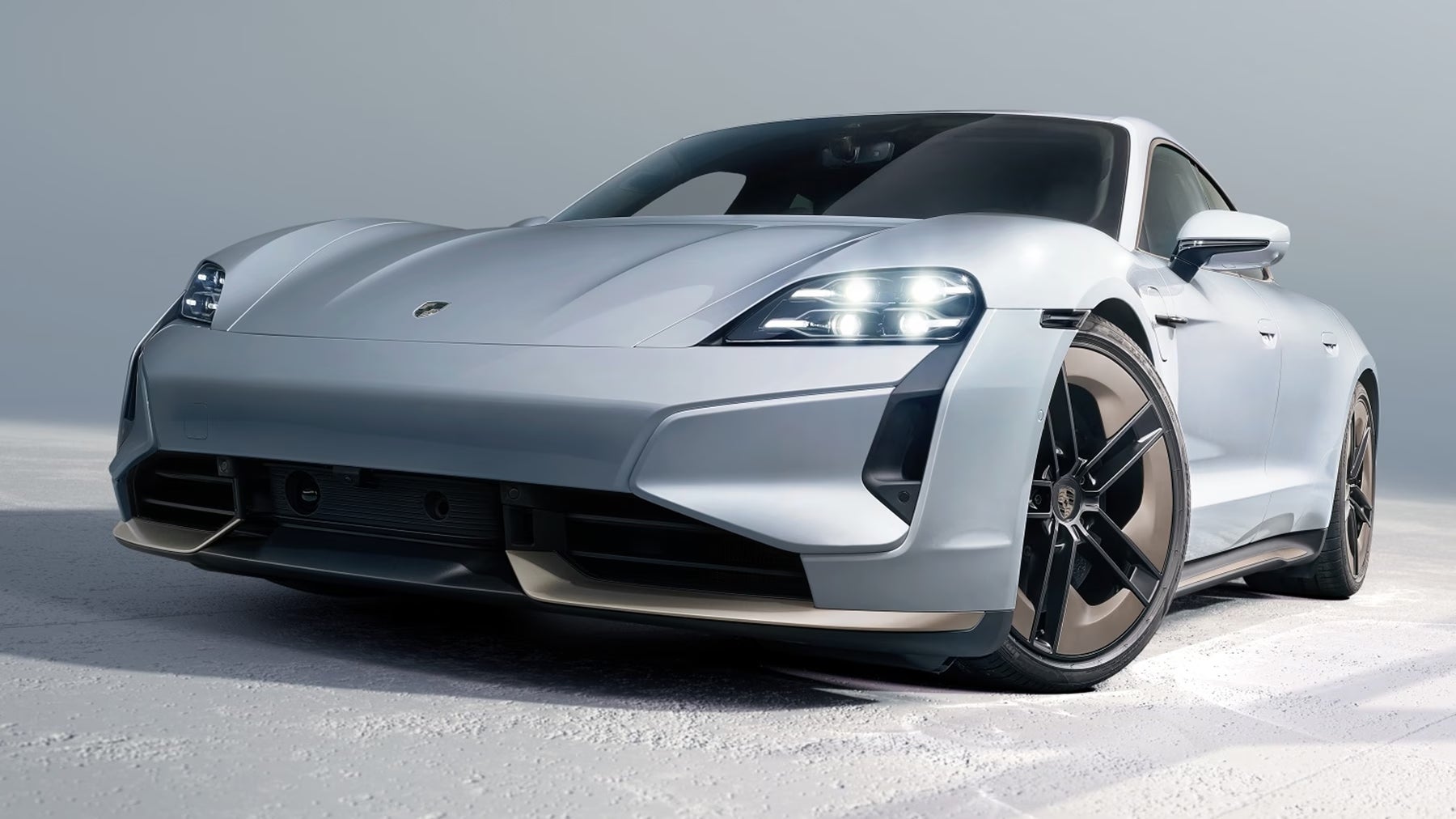
The future of Porsche electric vehicles highlighting performance meets innovation in a sleek modern EV design.

The Future of Porsche Electric Vehicles: Performance Meets Innovation

For decades, Porsche has built its reputation on engineering some of the most exciting performance cars in the world. Precision handling, powerful engines, and driver-focused design have defined the brand for generations of enthusiasts. As the automotive industry enters a new era shaped by electrification, Porsche is proving that the transition to electric power does not mean leaving performance behind. more Instead, the company is approaching electric mobility with the same philosophy that shaped its sports cars: innovation, engineering excellence, and an unwavering focus on driving dynamics. Porsche electric vehicles are designed not only to reduce emissions but also to deliver the thrilling performance drivers expect from the brand. For drivers in Chicago and across the North Shore, the future of Porsche electric vehicles offers a new way to experience performance while embracing the latest advancements in automotive technology. Latest Macan Inventory in Lincolnwood Porsche’s Approach to Electrification Electrification has become a major focus for the global automotive industry, but Porsche has taken a deliberate and performance-oriented approach to this transition. Rather than simply introducing electric vehicles to meet changing regulations, Porsche has invested heavily in engineering electric platforms that deliver the speed, responsiveness, and precision the brand is known for. The goal is clear: electric vehicles should enhance the Porsche driving experience rather than compromise it. Electric motors offer several advantages that align well with Porsche’s performance philosophy. Instant torque allows for incredibly quick acceleration, while the absence of traditional engine components allows engineers to optimize weight distribution and handling. Porsche’s approach to electrification blends timeless engineering with innovation and high-performance electric vehicle technology. By combining these characteristics with advanced battery technology and sophisticated chassis engineering, Porsche is creating electric vehicles that remain true to the brand’s heritage. The Porsche Taycan: A New Chapter in Performance One of the most significant milestones in Porsche’s electric journey came with the introduction of the Taycan. As the brand’s first fully electric production vehicle, the Taycan demonstrated that an electric car could deliver the same excitement and performance drivers expect from Porsche. Latest Taycan Inventory in Lincolnwood IL The Taycan uses advanced electric motors that produce rapid acceleration and impressive top speeds. Unlike many electric vehicles that focus primarily on efficiency, the Taycan was designed with performance as a priority. Its low center of gravity, created by the placement of the battery pack beneath the floor, helps the vehicle maintain exceptional balance and stability. Combined with Porsche’s advanced suspension systems and precise steering, the Taycan delivers a driving experience that feels dynamic and engaging. This approach allows drivers to enjoy both the benefits of electric mobility and the performance characteristics that define Porsche engineering. The Porsche Taycan marks a new chapter where Porsche electric vehicles deliver bold performance and forward-looking innovation. Next Generation Electric Porsche Models Porsche’s commitment to electrification goes far beyond a single vehicle. The company is expanding its electric lineup with new models designed to meet a wide range of driving needs. One of the most anticipated additions is the all-electric Macan. This compact luxury SUV will bring Porsche electric performance into one of the brand’s most popular segments. With the versatility of an SUV and the performance technology developed for Porsche electric vehicles, the Macan EV represents an important step in Porsche’s future lineup. Electric technology is also expected to play an increasingly important role across other Porsche models as the brand continues to refine its battery systems, electric motors, and software platforms. Learn About: Porsche and the Electric Future: What It Means for Drivers in Chicago This long-term investment ensures that Porsche electric vehicles will continue evolving in performance, efficiency, and driving capability. Engineering Electric Performance One of the reasons Porsche electric vehicles stand out is the level of engineering behind them. Porsche has developed advanced battery systems capable of delivering both long driving ranges and high-performance output. The brand’s electric architecture uses an advanced voltage system that allows faster charging and improved efficiency. This technology helps reduce charging times while maintaining the performance drivers expect. Thermal management also plays a critical role in maintaining consistent performance. Porsche engineers design cooling systems that allow electric motors and batteries to maintain optimal temperatures during both daily driving and high-performance situations. Engineering electric performance is central to the future of Porsche electric vehicles, where power and innovation work together. These engineering innovations ensure that Porsche electric vehicles deliver not only impressive acceleration but also reliability and consistency under demanding conditions. Interior Technology and Driver Experience The interior of a Porsche electric vehicle reflects the brand’s commitment to blending advanced technology with a driver-focused design. Digital displays provide drivers with information about navigation, vehicle performance, battery range, and charging status. These displays are positioned to keep essential information clearly visible without distracting from the driving experience. Connectivity features allow drivers to access navigation systems that can locate charging stations and plan routes based on battery levels. Smartphone integration and advanced infotainment systems help create a seamless connection between the vehicle and everyday digital life. Despite the introduction of new technology, Porsche maintains a clean and purposeful interior design. Controls are intuitive, materials are premium, and the overall layout remains focused on the driver. Charging and Everyday Usability One of the most important aspects of electric vehicle ownership is charging convenience. Porsche vehicles are designed to support both home charging and public fast-charging networks. Home charging allows drivers to replenish their vehicle’s battery overnight, providing a full charge for daily commuting. For longer trips, high-speed charging stations can add significant range in a relatively short amount of time. The future of Porsche electric vehicles also depends on charging convenience, everyday usability, and smart innovation. Porsche navigation systems help drivers locate charging stations and integrate charging stops into travel routes. This technology helps simplify long-distance travel and reduces range anxiety for electric vehicle owners. For many drivers, the process becomes part of a regular routine, allowing them to start each day with a fully charged vehicle. Electric Performance for Modern Drivers The future of Porsche electric vehicles reflects a broader shift in the automotive industry toward sustainable mobility. However, Porsche’s focus remains firmly rooted in performance. Electric motors allow engineers to deliver immediate acceleration, precise power control, and smooth operation. These characteristics align perfectly with Porsche’s emphasis on driver engagement. Rather than replacing traditional performance, electric technology expands what is possible. The combination of instant torque, advanced chassis design, and intelligent software systems creates a driving experience that feels both modern and exhilarating. Check Out: Why the Porsche 911 Still Defines the Modern Sports Car For drivers who appreciate engineering innovation and performance, Porsche electric vehicles represent an exciting evolution of the brand. Experience Porsche Innovation at Porsche Lincolnwood Drivers throughout the Chicago area and the North Shore can explore the latest Porsche models at Porsche Lincolnwood, part of the Loeber Motors family of dealerships. Located just minutes from Chicago in Lincolnwood, the dealership offers a full selection of Porsche vehicles along with knowledgeable staff who can guide customers through the latest performance and technology innovations. As Porsche continues expanding its electric lineup, the team at Porsche Lincolnwood is ready to help drivers learn more about the future of Porsche engineering and the benefits of electric mobility. To learn more about Porsche vehicles or explore available inventory, visit PorscheLincolnwood.com or stop by the showroom in Lincolnwood to experience the next generation of Porsche performance.

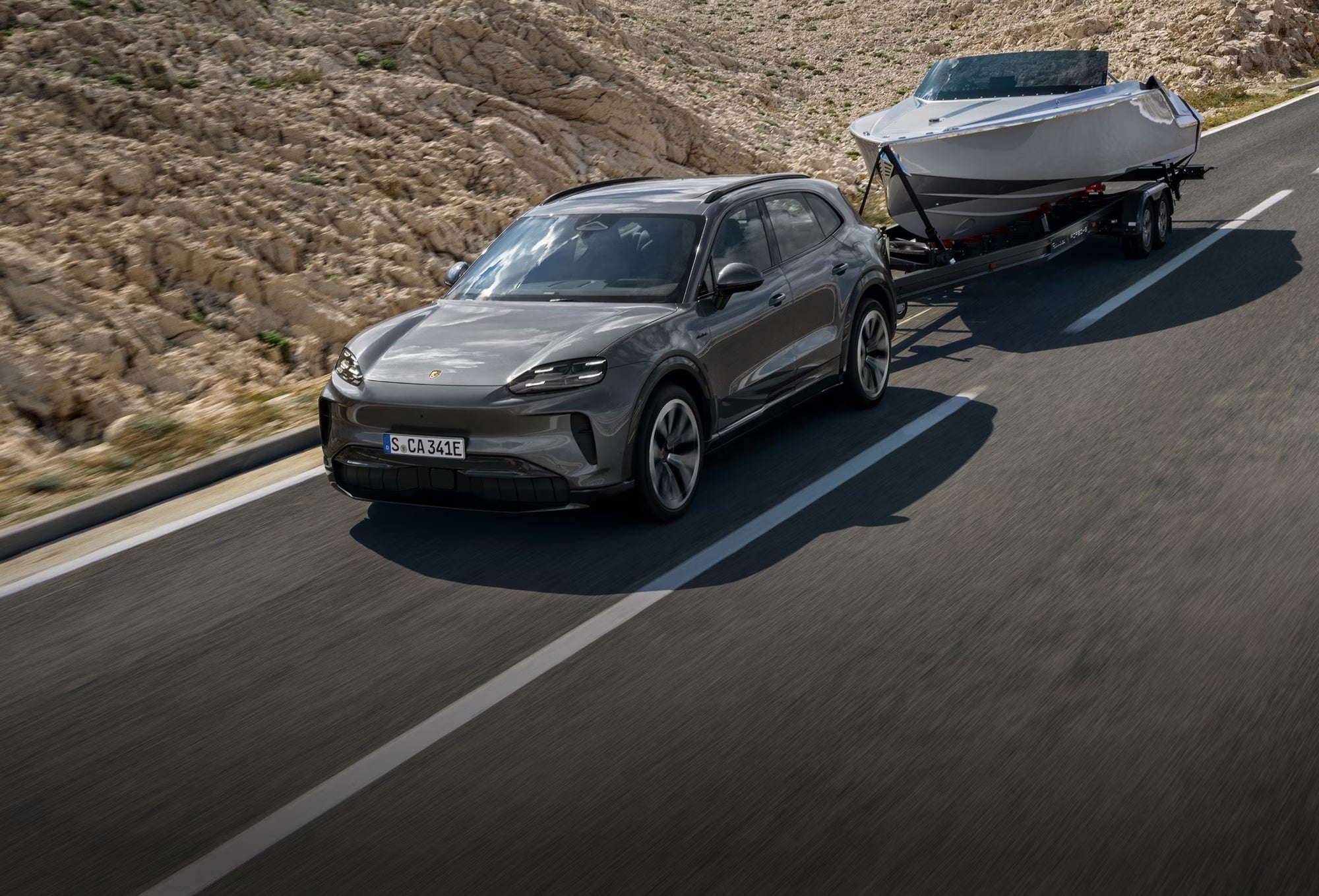
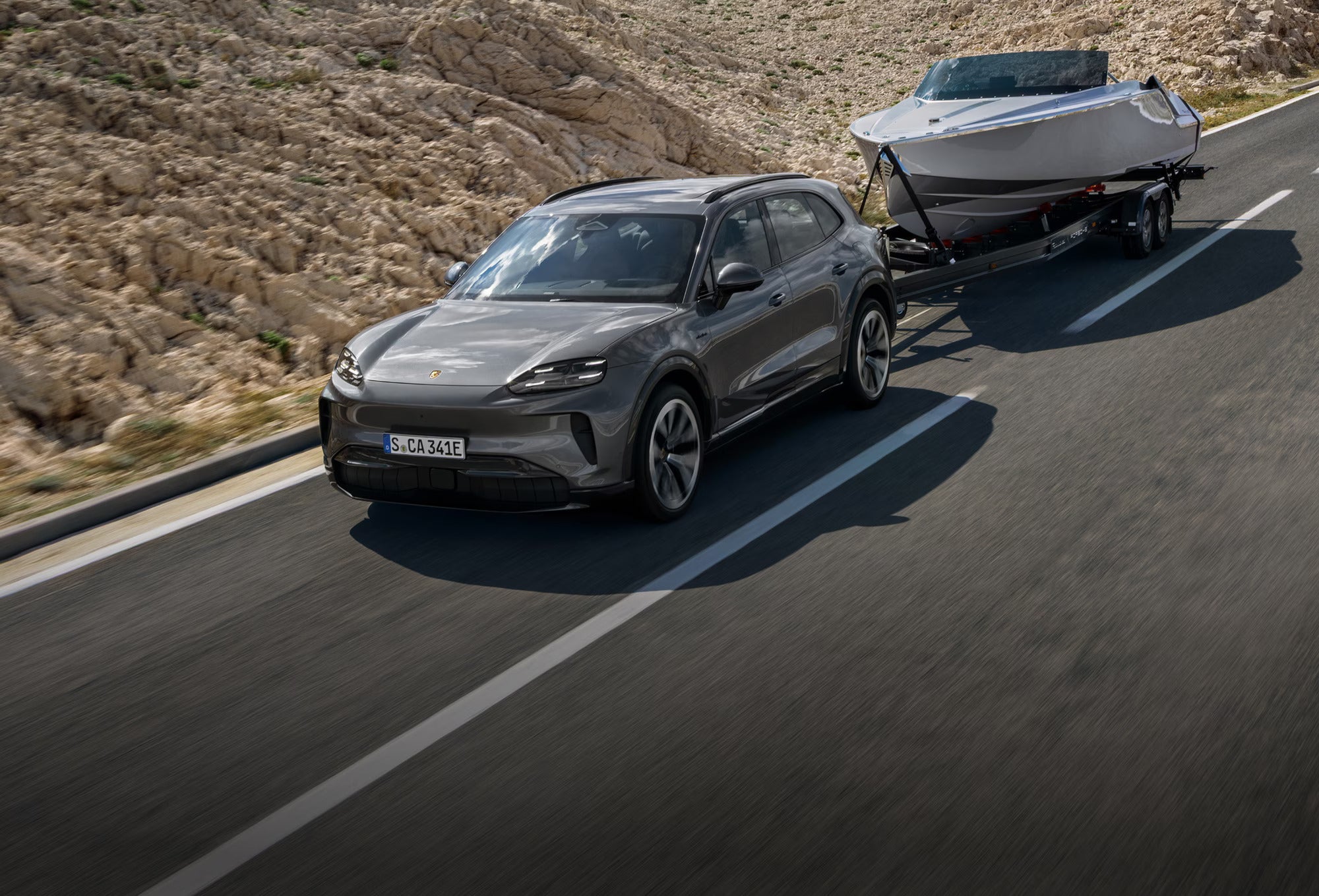
Porsche Cayenne towing a boat on the highway, showing why it remains the benchmark luxury performance SUV.

Why the Porsche Cayenne Remains the Benchmark Luxury Performance SUV

When Porsche introduced the Cayenne, it fundamentally changed the trajectory of the brand. What began as a bold expansion beyond two-door sports cars has evolved into one of the most important vehicles in the Porsche lineup. Today, the Cayenne is not simply a luxury SUV with a performance badge. It is engineered with the same philosophy that defines every Porsche: balance, precision, and usable power. For drivers in the Chicago area, the Cayenne occupies a particularly meaningful space. more Porsche Lincolnwood's Cayenne Inventory It delivers the elevated driving position and cargo flexibility that Midwest buyers expect, while maintaining the steering response and chassis control that separate Porsche from the broader SUV field. Whether commuting through Lincolnwood, navigating winter roads along the North Shore, or heading west on I-90 for a weekend trip, the Cayenne adapts without losing composure. Under the hood, the Cayenne lineup offers a range of powertrains confirmed by Porsche USA. With multiple trims and powertrains, the Porsche Cayenne lineup keeps its benchmark status in the luxury performance SUV segment. The standard Cayenne features a turbocharged 3.0-liter V6 producing 348 horsepower and 368 lb-ft of torque. Step up to the Cayenne S, and output increases significantly with a twin-turbocharged 4.0-liter V8 generating 468 horsepower. For drivers seeking electrified performance, the Cayenne E-Hybrid pairs a turbocharged V6 with an electric motor to deliver a combined 463 horsepower. Each configuration reflects a different interpretation of performance, but all retain Porsche’s unmistakable responsiveness. Acceleration figures reinforce the Cayenne’s dual personality. The base model is capable of reaching 60 mph in approximately 5.7 seconds, while higher trims reduce that time substantially. The Cayenne S achieves 0–60 mph in around 4.4 seconds. These numbers would be impressive in a sports sedan. In a luxury SUV with substantial cargo capacity, they become even more notable. Beyond straight-line performance, Porsche’s chassis systems distinguish the Cayenne from competitors. Available Porsche Active Suspension Management (PASM) continuously adjusts damping to balance comfort and control. Optional adaptive air suspension allows drivers to modify ride height and stiffness depending on conditions. Available rear-axle steering enhances agility at low speeds and stability at highway velocities. These systems work together to give the Cayenne a smaller, more composed feel than its dimensions suggest. The Cayenne’s design reflects restraint rather than excess. Clean surfaces, sculpted rear haunches, and distinctive LED lighting signatures maintain brand continuity with the 911 and other Porsche models. The Coupe variant introduces a more aggressive roofline, but even the standard Cayenne maintains a dynamic stance. It is athletic without being overstated. Precision engineering and advanced chassis tech help the Porsche Cayenne stay the benchmark luxury performance SUV. Inside, the Cayenne blends digital refinement with tactile quality. A curved digital instrument display integrates seamlessly with a central touchscreen interface. Wireless Apple CarPlay, Android Auto compatibility, and connected navigation features ensure modern usability. Materials remain premium throughout the cabin, from leather upholstery to aluminum and available wood trim accents. The layout emphasizes driver orientation, consistent with Porsche tradition. Practicality remains central to the Cayenne’s appeal. Everyday usability matters—the Porsche Cayenne remains the benchmark luxury performance SUV with space, comfort, and smart packaging. Rear seating provides comfortable space for passengers, and cargo capacity accommodates daily needs as well as longer travel. For Chicago families who want a performance-oriented vehicle without sacrificing utility, this balance is critical. Importantly, the Cayenne lineup offers flexibility. Buyers can select traditional combustion performance, hybrid assistance, or higher-output V8 configurations depending on priorities. That range allows the Cayenne to serve as both a daily luxury SUV and a legitimate performance vehicle. In a segment crowded with high-horsepower SUVs, the Cayenne stands apart because of how it feels behind the wheel. Steering precision, throttle response, and body control all reflect Porsche’s engineering discipline. It does not attempt to mask its size. Instead, it manages it with intelligence. For those interested in exploring current availability or configuring a Cayenne model, more information can be found at Porsche Lincolnwood and by browsing available Porsche Cayenne models.

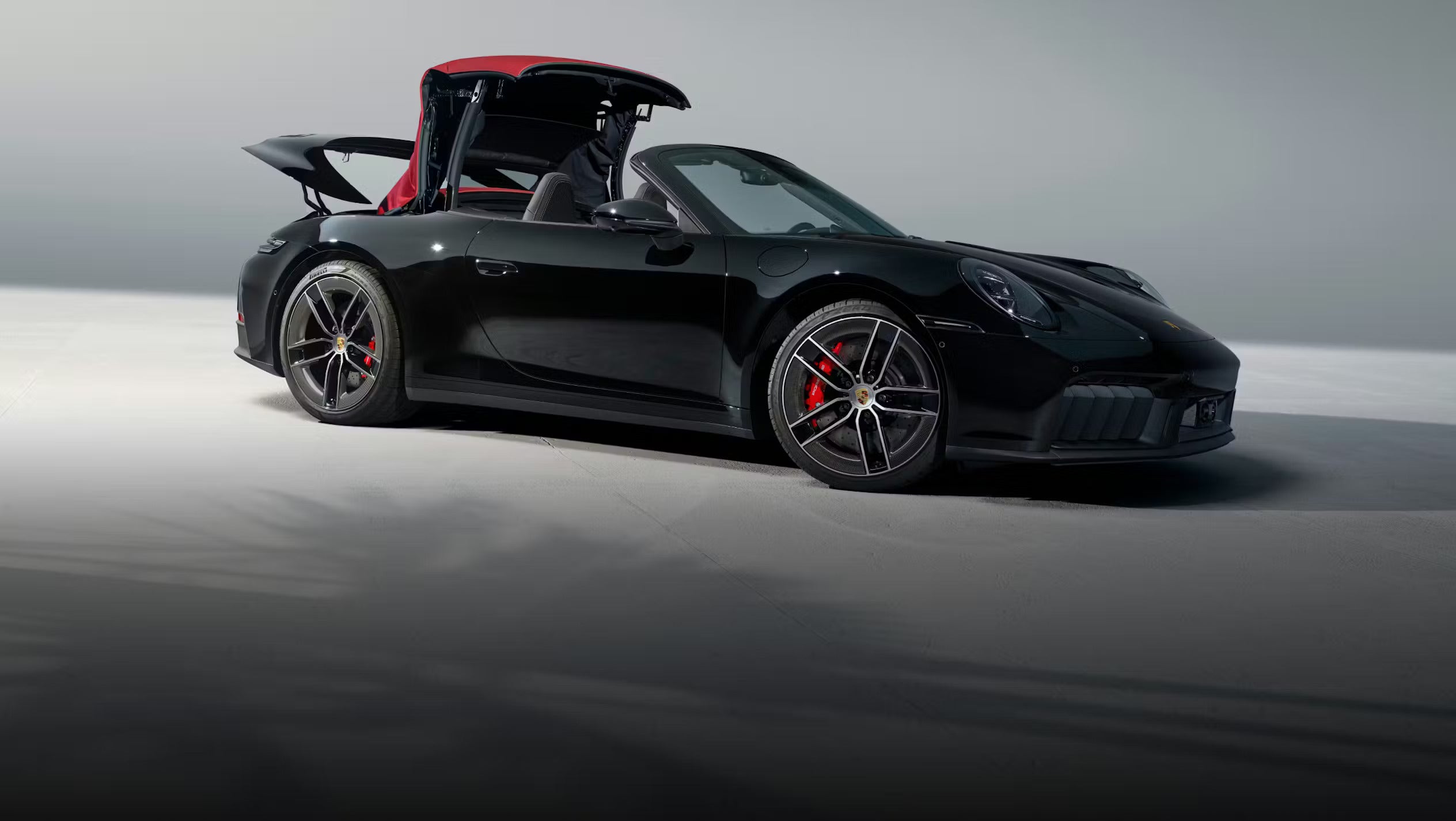
Black Porsche 911 convertible shown in profile, highlighting why the Porsche 911 still defines the modern sports car.

Why the Porsche 911 Still Defines the Modern Sports Car

There are cars that arrive and disrupt a segment, and then there are cars that quietly define it year after year. The Porsche 911 has never needed reinvention to remain relevant. Instead, it has evolved carefully, preserving the proportions, balance, and engineering philosophy that made it iconic while refining every measurable performance metric along the way. In a market crowded with louder, heavier, and increasingly complicated competitors, the 911 remains something else entirely: focused. more For Chicago-area drivers, the appeal of the 911 is both emotional and practical. It carries a legacy that stretches back decades, yet it remains entirely usable in modern traffic. Whether gliding along Lake Shore Drive at sunrise or navigating I-94 during rush hour, the 911 feels compact, precise, and composed. Unlike many high-horsepower sports cars that demand constant attention, the 911 rewards subtle inputs and daily familiarity. It is a car you learn — and then grow into. Check Out: 2026 Porsche 911 Under the rear decklid, the modern 911 continues to use Porsche’s twin-turbocharged flat-six architecture. Confidence in any season—this Porsche 911 grip and braking detail shows why it still defines the modern sports car. Depending on configuration, output ranges from the mid-300 horsepower range in the base Carrera to well over 600 horsepower in Turbo S models. The Carrera 4S, one of the most balanced configurations in the lineup, produces 473 horsepower and accelerates from 0–60 mph in as little as 3.3 seconds. These figures matter, but what defines the 911 is not raw acceleration — it is the way the car communicates weight transfer, grip, and momentum through the steering wheel and seat. All-wheel-drive variants, designated by the “4” in their name, bring additional confidence to Midwest drivers. Chicago winters demand stability. And while a 911 will always be a performance car first, the AWD system enhances traction without dulling responsiveness. That makes models like the Carrera 4 and Carrera 4S especially compelling for drivers who want year-round usability without sacrificing character. Classic feel, modern tech—Porsche 911 design cues meet digital execution, reinforcing why it defines the modern sports car. The 911’s silhouette remains one of the most recognizable shapes in automotive design. The sloping roofline, pronounced rear haunches, and signature round headlamps have endured through generations because they work. Porsche continues to refine aerodynamics and lighting technology, but the identity remains unmistakable. Even parked outside a restaurant in Lincolnwood or along Sheridan Road, a 911 feels intentional rather than flashy. Check Out: 2026 Porsche Cayenne EV Inside, Porsche balances analog inspiration with digital execution. The curved digital instrument display maintains the familiar five-gauge layout that longtime owners recognize instantly. The center touchscreen integrates navigation, wireless smartphone connectivity, and performance settings in a clean, driver-focused interface. Everything angles toward clarity. There are no unnecessary flourishes, no distractions from the act of driving. The 911 lineup itself offers remarkable depth. Coupe, Cabriolet, and Targa body styles allow buyers to tailor the experience to their preferences. Carrera models emphasize balance. Turbo models push the limits of acceleration. GT3 variants sharpen the focus further for track enthusiasts. Yet across every configuration, the core architecture remains consistent: rear-engine layout, balanced weight distribution, and an unmistakable Porsche driving feel. A cockpit built around the driver—this Porsche 911 interior shows why it still defines the modern sports car decade after decade. What continues to separate the 911 from competitors is its longevity. Many sports cars enter the market with a burst of attention and fade as trends shift. The 911 has endured because it adapts without abandoning its principles. Each generation improves ride quality, technology integration, and structural rigidity while preserving the core character that made the original car special. That consistency builds loyalty. For Chicago buyers considering a performance car, the 911 occupies a unique position. It is neither oversized nor impractical. It is capable of commuting, long-distance travel, and spirited weekend drives without feeling compromised. It does not rely on spectacle. Instead, it relies on engineering precision and driver engagement. Those interested in exploring available models or configuring a new build can view the current lineup at Porsche Lincolnwood and browse the full range of Porsche 911 models currently offered.

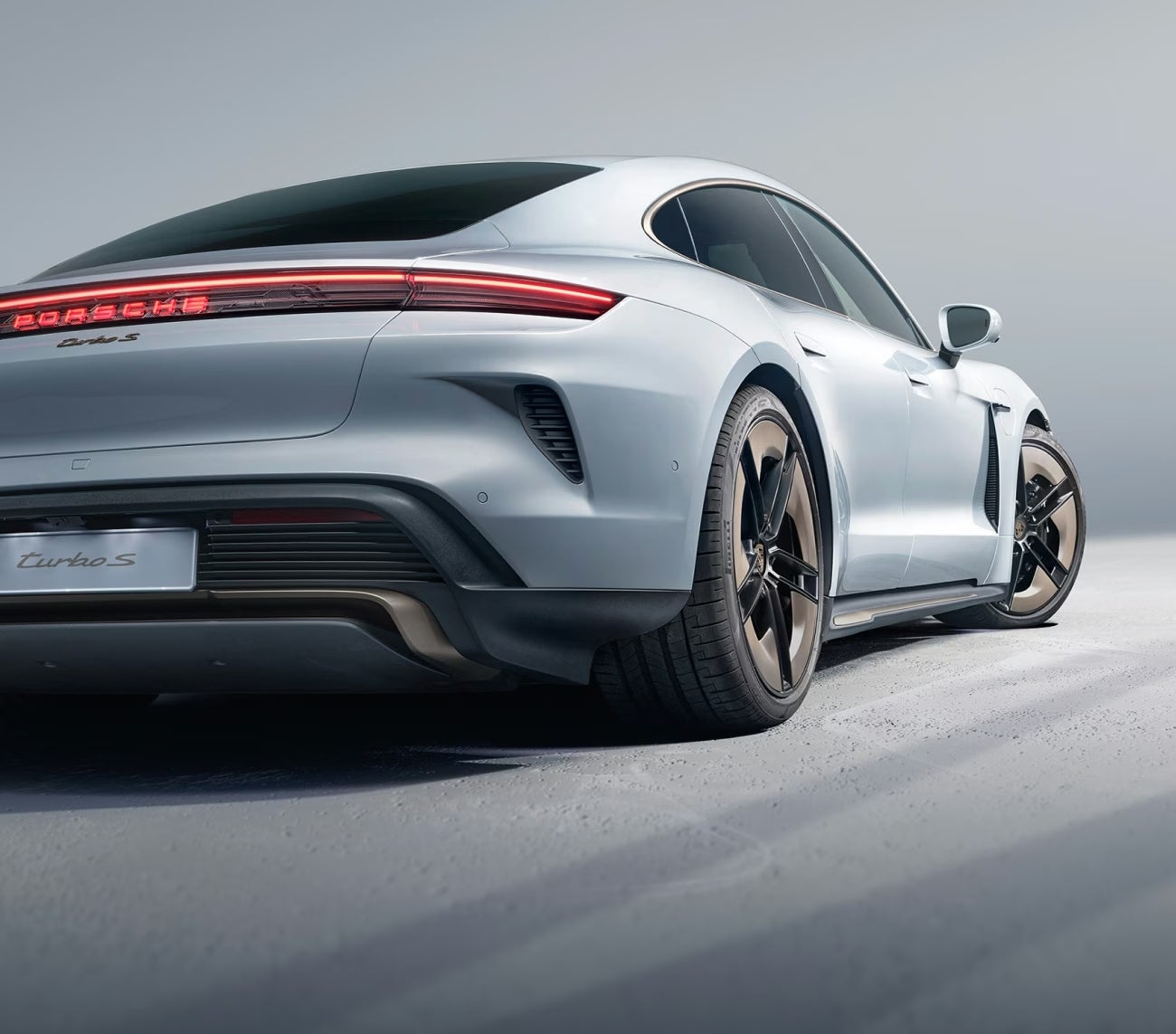
Silver Porsche electric car highlighting the electric future for drivers in Chicago.

Porsche and the Electric Future: What It Means for Drivers in Chicago

For a brand built on the sound of a flat-six engine and decades of racing heritage, Porsche’s move into electrification has been measured rather than reactionary. The transition has not been about abandoning identity. Instead, it has focused on translating Porsche’s performance philosophy into a new propulsion format. The result is not simply an electric vehicle — it is an electric Porsche. more The cornerstone of Porsche’s EV strategy in the United States is the Taycan. Introduced as the brand’s first fully electric production model, the Taycan demonstrated that electrification could coexist with driving precision. According to Porsche USA specifications, the Taycan lineup offers outputs ranging from the mid-400 horsepower range in entry configurations to well over 700 horsepower in higher trims with overboost engaged. Acceleration figures are equally strong, with select models capable of 0–60 mph times under three seconds. Check Out: 2026 Porsche Cayenne EV These numbers are impressive, but what makes the Taycan distinct is how that performance is delivered. Porsche’s 800-volt electrical architecture sets it apart from many competitors in the luxury EV segment. Porsche’s 800-volt tech is shaping the electric future—faster charging and better road-trip confidence for Chicago drivers. This system allows faster DC charging under optimal conditions and supports sustained high performance without significant degradation. For drivers in the Chicago area, charging capability matters just as much as acceleration. The Taycan’s ability to accept high-speed DC charging means meaningful range can be added during relatively short stops, reducing long-distance travel concerns. Range estimates vary by configuration and battery selection, but Porsche USA publishes EPA-estimated ranges depending on trim and equipment. While range is often the headline figure in EV discussions, Porsche places equal emphasis on repeatable performance. The Taycan’s battery cooling system and thermal management allow drivers to experience consistent acceleration even after multiple high-speed runs — something that has historically challenged EVs. Beyond the Taycan, Porsche is expanding its electric presence with the Macan Electric. Built on a new premium electric platform, the Macan Electric is designed specifically for EV architecture rather than adapted from a combustion layout. Porsche USA confirms that the Macan Electric will feature dual-motor all-wheel-drive configurations in certain trims, along with performance-oriented suspension systems that mirror the brand’s sports-car DNA. For Chicago-area buyers who prefer SUV practicality over sedan form, the Macan Electric introduces electrification without abandoning utility. Porsche is expanding its electric future lineup—what Chicago drivers can expect from new EV options. Interior technology plays a central role in Porsche’s EV models. The Taycan and upcoming electric vehicles feature curved digital displays, advanced driver-assistance systems, and real-time energy management interfaces. Drivers can monitor battery usage, regeneration levels, and charging data directly through the central touchscreen. Wireless smartphone integration and connected navigation systems enhance daily usability, particularly for urban environments. Check Out: 2026 Porsche 911 One of the most frequent concerns among Midwest buyers is winter performance. While EV efficiency can be influenced by cold temperatures, Porsche’s thermal management systems are engineered to maintain battery conditioning and cabin comfort in colder climates. Features such as heat pumps and advanced battery preconditioning help mitigate range reduction during low temperatures. For Chicago drivers who experience significant seasonal variation, these engineering details are not optional — they are essential. Porsche’s approach to electrification also preserves driving character. Winter range and cold-weather comfort matter in Chicago—how Porsche’s electric future impacts drivers year-round. The Taycan’s low center of gravity — created by its battery placement within the floor structure — contributes to stable handling. Rear-axle steering, available adaptive air suspension, and Porsche Active Suspension Management further align the EV models with the brand’s traditional performance standards. Electrification has not diluted steering precision or chassis feedback. Instead, it has redefined how power reaches the road. Importantly, Porsche has not positioned its electric vehicles as replacements for combustion models across the board. Instead, the lineup now offers buyers a choice. Drivers can still select the 911 for traditional sports-car engagement, choose the Cayenne for luxury SUV performance, or move into the Taycan or Macan Electric for fully electric driving. This flexibility is central to Porsche’s U.S. strategy. As infrastructure continues expanding across Illinois and the broader Midwest, EV ownership becomes more practical. Public DC fast chargers are increasingly available along major highways, including I-94 and I-90 corridors. Home charging installations also provide convenience for daily commuting. For many Chicago-area drivers, the transition to electric no longer feels experimental — it feels planned. For those interested in exploring Porsche’s electric lineup, including the Taycan and Macan Electric, additional information and current availability can be found at Porsche Lincolnwood and by viewing the available Porsche Taycan models.

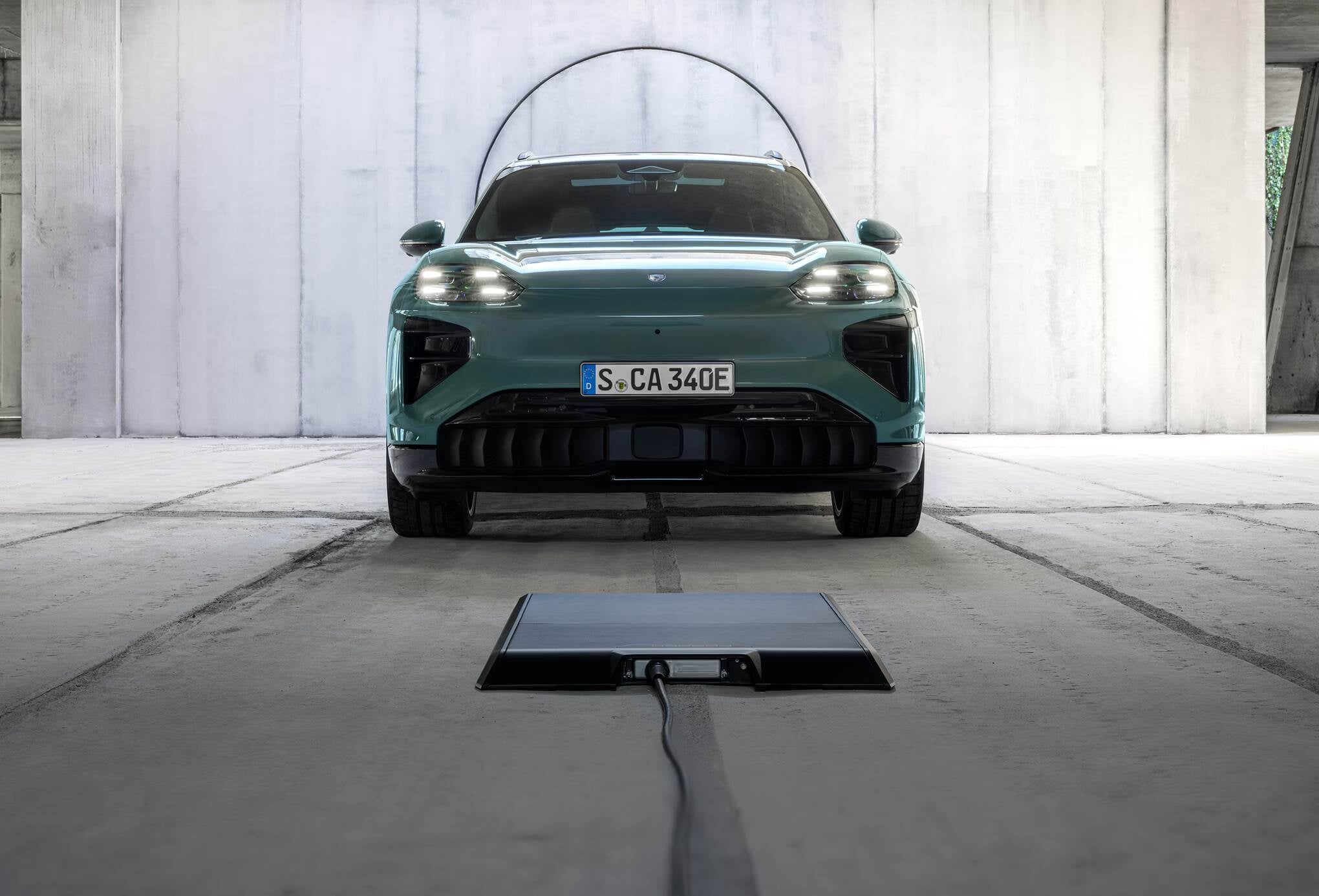
2026 Porsche Cayenne EV exterior design answering common questions about Porsche’s electric SUV

2026 Porsche Cayenne EV: Your Questions Answered

If you’re thinking about the 2026 Porsche Cayenne EV, the questions running through your head probably sound different from the ones most EV shoppers ask. You’re likely not wondering whether electric vehicles are “ready” anymore. more Latest Cayenne Inventory You’re wondering whether this one still feels like a Porsche when the novelty wears off and the routine sets in. That hesitation usually comes from experience. Cayenne owners know exactly how their vehicles fit into daily life. The 2026 Porsche Cayenne EV is designed to fit seamlessly into everyday driving and ownership. They know how they behave in traffic, how they feel on long drives, how they handle bad weather, and how they respond when the road opens up. Switching that familiar experience to electric doesn’t feel like a small decision, even if the technology itself feels inevitable. What tends to surprise people is how quickly the Cayenne EV stops feeling like an experiment and starts feeling like an evolution. The first shift happens in everyday moments. Pulling away from a stoplight. Merging onto the highway. Navigating traffic without the constant feedback of an engine and transmission. Driving the 2026 Porsche Cayenne EV shows how electric performance changes the Porsche experience. The Cayenne EV responds immediately and smoothly, which removes friction rather than excitement. That calm responsiveness becomes its own form of engagement. As drivers spend more time behind the wheel, another realization settles in. The Cayenne EV doesn’t feel like a large SUV compensating for its size. The battery’s low placement changes the way the vehicle carries itself. It feels planted and balanced, especially at speed. Where traditional SUVs sometimes feel reactive, the Cayenne EV feels deliberate. This is often the moment where skepticism gives way to trust. Range is usually the loudest concern before people drive the vehicle, but it rarely remains the most important one afterward. Most Cayenne buyers quickly recognize that range anxiety is really about disruption. They want to know whether their routines will change in uncomfortable ways. Porsche’s approach focuses on real-world use: commuting, errands, weekends away, and longer trips with planned stops. Fast charging matters because it preserves flexibility, not because it wins arguments online. Cold-weather performance plays a major role in that trust, especially for Midwest drivers. Cold-weather capability is a major question answered by the 2026 Porsche Cayenne EV. Electric all-wheel drive systems react instantly, and the Cayenne EV’s balance helps it feel composed rather than tentative in poor conditions. With proper tires, winter driving becomes something you move through confidently rather than manage carefully. That reassurance carries more weight than any spec number. Inside the cabin, Porsche has chosen continuity over shock value. The Cayenne EV interior feels familiar in the best way. Controls are intuitive. Materials feel substantial. The layout prioritizes the driver without isolating passengers. For people who spend real time in their vehicles, this familiarity reduces cognitive load. You don’t feel like you’re learning a new lifestyle along with a new vehicle. Inside the cabin, the 2026 Porsche Cayenne EV blends familiar design with modern electric technology. Ownership considerations also quietly reshape perception. Electric ownership simplifies certain aspects of daily life. Fewer routine service items. Quieter starts. The convenience of home charging. These changes don’t announce themselves loudly, but they accumulate over time. Many owners find that their relationship with the vehicle becomes calmer, more predictable, and more integrated into their routines. Seeing the Cayenne EV alongside the broader lineup at Porsche Lincolnwood and exploring available Cayenne inventory helps place it in context. This isn’t Porsche abandoning its past. It’s Porsche translating its most versatile vehicle into a form that aligns with how people actually drive today. The engagement moment for many buyers comes when the internal debate changes tone. Instead of asking whether electric makes sense, they start asking whether this particular electric vehicle feels right. For Cayenne drivers, that moment often arrives sooner than expected. Six features that define the 2026 Porsche Cayenne EV Purpose-built electric architecture tuned for Porsche driving dynamics Instant torque delivery for smooth, confident acceleration Low center of gravity for enhanced stability and balance Fast-charging capability designed for real-world travel Familiar Porsche interior with modernized technology All-weather performance suited for year-round driving For drivers ready to explore how electric power fits into Porsche’s most practical model, the Cayenne EV at Porsche Lincolnwood offers a natural next step rather than a leap into the unknown.

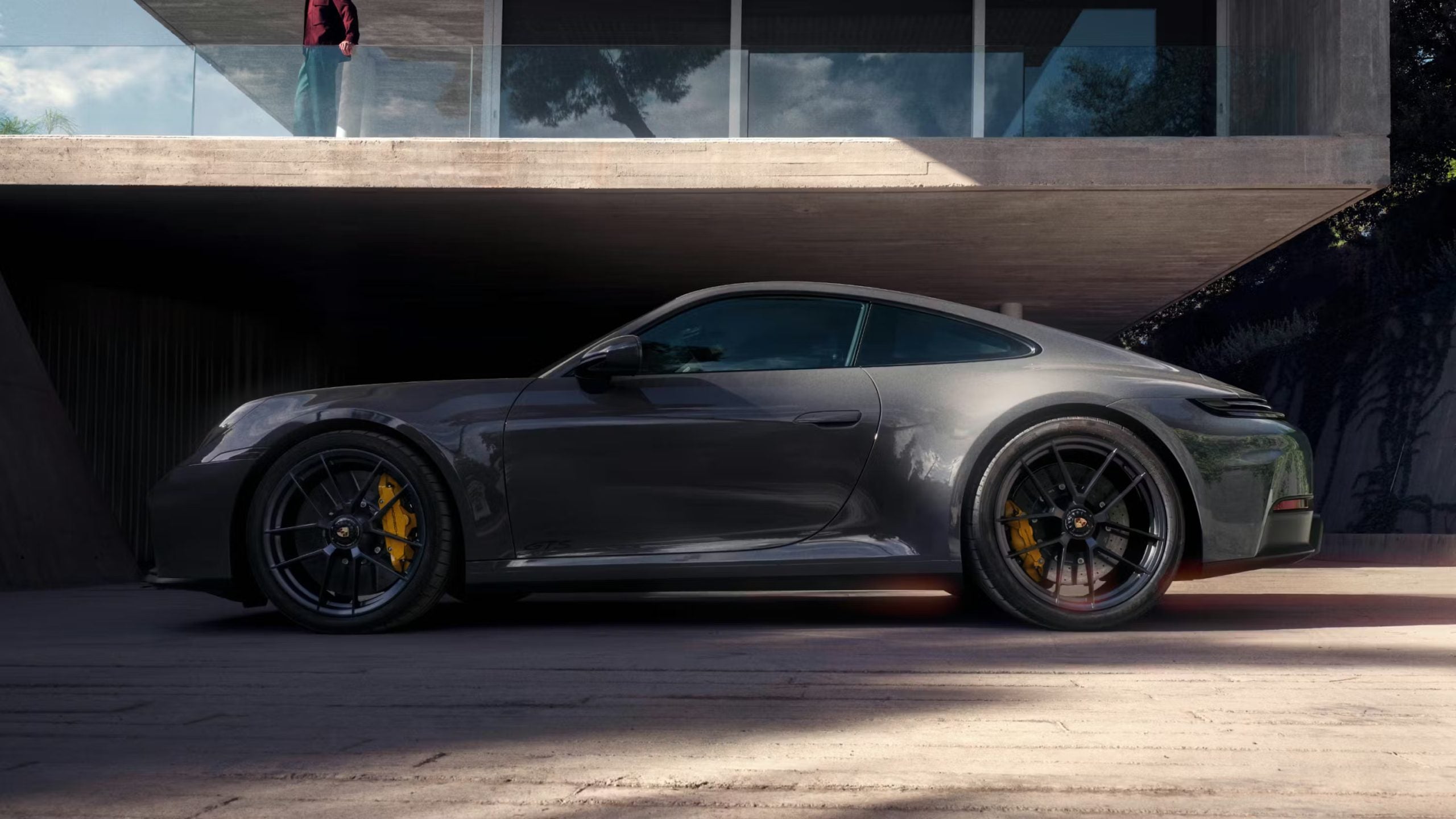
Porsche 911 Carrera vs Carrera GTS

2026 Porsche 911 Carrera vs. Carrera GTS: Which One Is Right for You?

For many buyers, choosing a Porsche 911 is less about whether to buy one and more about which version best fits the way they actually drive. By the time shoppers narrow their focus to the 2026 Porsche 911 Carrera vs the Carrera GTS, the decision often becomes surprisingly difficult. On paper, the two models share the same iconic shape, the same rear-engine DNA, and the same reputation for precision engineering. In practice, they deliver meaningfully different ownership experiences. more Latest 911 Inventory for Sale The 911 Carrera has long been the heart of the lineup. The 2026 Porsche 911 Carrera delivers classic 911 performance with everyday usability. It represents the purest expression of what makes a 911 a 911: balance, usability, and performance that feels special without being overwhelming. For drivers who plan to use their car regularly—commuting, weekend drives, longer trips—the Carrera strikes a rare balance between excitement and comfort. It is quick enough to feel thrilling every time you press the accelerator, yet refined enough to live with day in and day out. The Carrera GTS takes that foundation and sharpens it. It is designed for drivers who want a more aggressive edge, both visually and mechanically. The GTS sits closer to Porsche’s motorsport ethos, with enhancements that emphasize responsiveness and driver engagement. While it still works as a street car, it is clearly tuned with performance driving in mind. One of the most important differences between the 911 Carrera vs the GTS is how they feel during normal driving. The Carrera is remarkably approachable. Steering effort is communicative without being heavy, suspension tuning absorbs imperfect pavement with confidence, and the cabin remains quiet enough for long highway stretches. Many owners describe it as a car that feels special every time they drive it, without demanding constant attention or compromise. The 2026 Porsche 911 Carrera GTS adds sharper performance and sport-focused upgrades. The Carrera GTS, by contrast, feels more intense from the moment you start driving. Throttle response is sharper, suspension tuning is firmer, and the overall feedback from the car is more immediate. For drivers who enjoy spirited driving on winding roads or who plan to spend time at the track, this heightened connection can be deeply rewarding. For others, especially those who spend most of their time in traffic or on city streets, it can feel like more than they need. Another key consideration is how each model fits into daily life. The Carrera excels as a daily-driven sports car. Visibility is excellent, ride quality is forgiving, and the interior is designed to be comfortable without feeling isolated from the road. It is a car you can drive to work, take on a road trip, and still enjoy on a quiet back road without changing your mindset. The GTS leans harder into performance at the expense of some everyday comfort. While still far from impractical, it is less forgiving over rough pavement and more vocal in its feedback. For some drivers, this is exactly the point. For others, especially those who value versatility, the Carrera may feel like the smarter long-term choice. Comparing price, value, and availability helps buyers choose between the 2026 Porsche 911 Carrera vs. Carrera GTS. Buyers also often ask about value and availability. Carrera models are typically produced in greater numbers, which can make them easier to find and configure. GTS models tend to be more limited, which can influence pricing and wait times. For shoppers browsing current inventory at Porsche Lincolnwood, comparing available 911 Carrera models side by side with GTS variants can clarify how each trim aligns with budget, timeline, and driving goals. Interior differences between the two models reinforce their personalities. The Carrera’s cabin emphasizes refinement and comfort, with premium materials and intuitive controls that make extended drives feel effortless. The GTS introduces sport-oriented elements that highlight its performance focus, creating an environment that feels closer to a track-ready machine without sacrificing Porsche’s attention to detail. Resale value and long-term ownership also factor into the decision. Historically, both Carrera and GTS models hold their value well, but GTS trims often attract buyers looking for something slightly more exclusive. That said, exclusivity alone shouldn’t drive the decision. The best choice is the one that fits how the car will actually be used, not how it looks on a spec sheet. Choosing between the 2026 Porsche 911 Carrera vs. Carrera GTS comes down to comfort versus intensity. For many drivers, the question ultimately comes down to restraint versus intensity. The 2026 Porsche 911 Carrera delivers a complete sports car experience that feels balanced and timeless. The Carrera GTS offers a more focused interpretation, rewarding drivers who want every drive to feel like an event. Neither choice is wrong, but each speaks to a different type of owner. Seeing the cars in person and spending time behind the wheel often makes the decision clearer. At Porsche Linwood, shoppers can explore current Porsche 911 inventory and experience how each model feels on familiar roads, rather than relying solely on comparisons and reviews. Both are great: Six features that distinguish the 2026 Porsche 911 Carrera vs the Carrera GTS Iconic rear-engine layout delivering classic 911 balance and feel Precision steering and chassis tuning unique to each trim Refined daily-driving comfort in the Carrera configuration Track-inspired performance enhancements in the GTS Premium Porsche interiors with driver-focused design Strong long-term value and enduring brand appeal For drivers deciding between the 2026 Porsche 911 Carrera and Carrera GTS, the right answer is the one that matches how you drive, not just how you dream. Exploring both options through Porsche Lincolnwood makes it easier to choose a 911 that feels right every time you turn the key.

2026 Porsche 911 for sale

2026 Porsche 911: Why People Don’t Buy One Until They’re Ready—and Why That Moment Sneaks Up on You

If you’re reading about the 2026 Porsche 911, there’s a good chance this isn’t your first time circling the idea. Most people don’t wake up one morning and decide to buy a 911. They orbit it. They read about it. more Porsche 911 Inventory They notice one on the road and think, maybe someday. Then they move on, until they don’t. That slow circling is part of what makes the 911 different from almost every other sports car. It isn’t impulse-driven. It’s recognition-driven. People don’t buy a 911 because it fits neatly into a category. They buy it when it fits into their life in a way they didn’t expect. What surprises many first-time buyers is how ordinary the decision moment feels once it arrives. Not dramatic. Not impulsive. Just clear. The 911 stops feeling like a dream and starts feeling like the obvious next step. At some point, owning a 2026 Porsche 911 stops feeling aspirational and starts feeling inevitable. That clarity is something the automotive press has returned to again and again. In its coverage of the latest generation, Car and Driver has described the 911 as “a sports car yardstick that all others are measured against,” language the publication has used repeatedly over decades because the car keeps earning it. The phrasing matters. It’s not about trend-chasing or reinvention. It’s about a reference point that doesn’t move. One reason the 911 keeps pulling people back is how usable it remains. On paper, it looks like a focused performance machine. In real life, it behaves like something far more adaptable. After driving the newest Turbo S, MotorTrend called it “electrified, unhinged, and brilliant,” a line that captures both its technical evolution and the fact that it still feels unmistakably like a 911 rather than a tech experiment. That balance shows up most clearly when journalists talk about how the car feels, not just how fast it is. MotorTrend noted that the Turbo S dispatches speed so effortlessly that drivers rarely need to glance at the speedometer, reinforcing the idea that the experience is controlled rather than frantic. It’s power that feels composed, not performative. The 2026 Porsche 911 isn’t about proving speed—it’s about confidence earned over time. The numbers, of course, still matter. Autoweek reported that the 2026 911 Turbo S produces 701 horsepower and 590 lb-ft of torque, and that it completed a Nürburgring lap in 7:03.92 — fourteen seconds faster than the previous version. Those figures aren’t presented as bragging points so much as proof that Porsche continues to push performance forward without changing the car’s core personality. That restraint is intentional. The 911 has always evolved carefully, and reviewers tend to see that as a feature rather than a flaw. In its expert review of the current model year, J.D. Power wrote that “the 2026 Porsche 911 feels very familiar,” a statement that might sound lukewarm until it’s paired with the publication’s follow-up observation that “familiarity is not thrilling. Excitement comes from the new and the unexpected.” In other words, the 911 doesn’t rely on shock to stay relevant. It relies on refinement. For many buyers, that refinement aligns with where they are in life. The 911 often represents a milestone rather than a lifestyle accessory. It’s less about showing off and more about arriving at a moment where ownership finally makes sense. That’s why people who buy their first 911 often describe the experience as quieter than expected. Less celebration. More satisfaction. Buying a 2026 Porsche 911 isn’t a milestone for show—it’s quiet satisfaction for those who waited. Long-term ownership data supports that feeling. According to J.D. Power’s Automotive Performance, Execution and Layout study, the Porsche 911 ranks highest in the Premium Sporty Car segment, a distinction that reflects owner satisfaction rather than editorial opinion. It suggests that the appeal doesn’t fade once the novelty wears off. Another reason people hesitate, then commit, is choice. The 911 lineup offers a wide range of configurations, allowing buyers to prioritize balance, comfort, or outright performance without losing the car’s identity. No matter the version, the fundamentals remain intact. Reviewers tend to emphasize that consistency as one of the model’s defining strengths. Seeing the car in person often accelerates that realization. Browsing available models at Porsche Lincolnwood isn’t just about colors or trims. It’s about imagining the car in your garage, on your commute, on the roads you actually drive. That visualization is often the moment curiosity turns into clarity. What ultimately sets the 911 apart is that it doesn’t try to convince you. It waits. The media doesn’t describe it as urgent or attention-seeking. It’s described as inevitable. A car people think about for years, then choose quietly when the timing finally feels right. For drivers who have been circling the idea of a 911 for a long time, the 2026 Porsche 911 doesn’t demand urgency. It simply waits until the moment sneaks up on you and the decision stops feeling like a leap and starts feeling like recognition. For drivers ready to experience the 2026 Porsche 911 in person, spending time with available models at Lincolnwood Porsche is often the moment curiosity turns into clarity.

2026 Cayenne EV for sale

It's Worth the Wait: Here's What the Media is Saying about the 2026 Cayenne EV

The 2026 Porsche Cayenne EV has become one of the most closely watched upcoming luxury SUVs, not because Porsche is rushing it to market, but because it isn’t. more Latest Porsche Cayenne Inventory In an industry defined by aggressive timelines and splashy reveals, Porsche’s approach to electrifying the Cayenne has been slow, deliberate, and closely observed by automotive journalists who understand what’s at stake. This is not a niche model. The Cayenne has long been Porsche’s most practical vehicle, serving buyers who want everyday usability without giving up performance credibility. Turning that formula electric without breaking it is a high-wire act. That’s why coverage of the Cayenne EV has focused less on shock value and more on intent. When Car and Driver was given an early prototype drive, the publication framed the vehicle as a continuation rather than a disruption, noting that “the 2026 Porsche Cayenne Electric introduces a host of high-performance and technological advancements” while remaining recognizably Cayenne in its mission. The emphasis was not on reinvention, but on translation — how Porsche’s established SUV values carry over to an electric platform. According to early media reports, the 2026 Cayenne EV is designed to complement—not replace—the gas-powered Cayenne. Much of the media conversation has centered on what the Cayenne EV is not meant to replace. Rather than eliminating combustion or hybrid variants, Porsche has repeatedly signaled — and journalists have reinforced — that the electric Cayenne will exist alongside them. In its reporting, Car and Driver has pointed out that the Cayenne EV is being positioned as an additional option, not a forced migration, reflecting Porsche’s broader strategy of maintaining customer choice as electrification expands. That distinction matters. Cayenne buyers tend to be pragmatic. They value confidence, comfort, and long-term usability as much as outright performance. The electric version, according to early reporting, is being engineered with those expectations firmly in mind. Engineering philosophy has become a recurring theme in coverage. Rather than chasing headline numbers, Porsche appears focused on fundamentals. Road & Track has repeatedly emphasized Porsche’s tendency to delay launches until new technology meets internal standards, a pattern that has shaped everything from the Taycan to earlier combustion models. Its analysis consistently frames the vehicle as a product of restraint rather than haste. Platform choice has drawn particular attention. Major media outlets have confirmed that the Cayenne EV will ride on a dedicated electric architecture rather than a modified combustion platform. According to analysis in Autocar, this decision gives engineers greater control over weight distribution and chassis tuning — critical factors for a vehicle expected to carry the Cayenne name. The publication has stressed that starting with a clean-sheet electric platform is essential if Porsche intends to preserve the balanced driving character buyers expect. The platform choice for the 2026 Cayenne EV is one of the most talked-about topics in recent media coverage. Charging capability and real-world usability have also featured prominently in coverage. While Porsche has shared technical direction publicly through official channels, media outlets have framed the Cayenne EV’s charging strategy as practical rather than performative. In its early impressions, MotorTrend described Porsche’s approach to electrification as “purpose-driven,” focusing on minimizing disruption during long trips instead of chasing marketing benchmarks. That framing aligns with how Cayenne owners typically use their vehicles — as daily drivers that also handle distance comfortably. Interior expectations have followed a similar pattern. Publications familiar with recent Porsche launches expect the Cayenne EV to reflect the brand’s current interior philosophy: modernized technology that supports the driving experience without overwhelming it. In coverage of Porsche’s broader EV strategy, Autocar wrote that the goal is not spectacle but “refinement, clarity, and an interior that feels comfortable over hours, not minutes,” language that echoes what long-time Cayenne buyers tend to value. The way Porsche is managing anticipation has not gone unnoticed. Instead of revealing the Cayenne EV all at once, details have emerged gradually through controlled previews and prototype drives. Analysts have interpreted this as a deliberate effort to set expectations carefully. In its reporting, Car and Driver suggested that the measured rollout signals confidence rather than uncertainty — an approach aimed at buyers who prioritize reassurance over novelty. Interior expectations for the 2026 Cayenne EV reflect what the media believes Porsche fans are waiting for. That strategy appears to be working. Automotive News Europe has reported strong engagement following early appearances of the Cayenne EV concept and development vehicles, noting that interest is coming not only from EV-curious shoppers but also from existing Porsche customers. In its coverage, the outlet observed that much of the attention appears rooted in familiarity with the Cayenne name rather than curiosity about electrification alone. Across publications, the Cayenne EV is framed as evolutionary — a careful extension of a model people depend on daily. Journalists consistently emphasize that Porsche is protecting the Cayenne’s role as a practical, confidence-inspiring SUV rather than turning it into a technological experiment. That framing shapes expectations. As coverage continues to build toward launch, the dominant narrative remains consistent. The 2026 Porsche Cayenne EV is expected to deliver electric performance without redefining what the Cayenne is supposed to be. For buyers open to electrification but unwilling to compromise on Porsche engineering, that message carries weight. For drivers following the Cayenne EV as it approaches availability, spending time with the latest updates and inventory information at Porsche Lincolnwood can help turn media coverage into a clearer understanding of how this electric SUV may fit into everyday life.

2026 Porsche Macan Electric for sale in Chicago IL

2026 Porsche Macan Electric: What Gas-SUV Drivers Need to Know Before Switching

For more than a decade, the Porsche Macan has been the brand’s quiet powerhouse. It brought Porsche performance into the compact luxury SUV category without diluting what makes a Porsche feel like a Porsche. With the 2026 Porsche Macan Electric, the question many drivers are asking isn’t whether electric vehicles are the future — it’s whether an electric SUV can still deliver the same sense of control, engagement, and confidence they’ve come to expect from the Macan name. more Latest Porsche Macan Inventory For drivers coming out of gasoline SUVs, the Macan Electric represents a different kind of transition. This is not an experimental EV or a compliance vehicle. It’s a ground-up Porsche, engineered from the beginning to be electric, with driving dynamics placed ahead of range bragging rights or minimalist design trends. One of the first things gas-SUV drivers notice when they drive the Macan Electric is how familiar it feels — and how different it feels at the same time. For gas-SUV drivers, the 2026 Porsche Macan Electric feels surprisingly familiar behind the wheel. The seating position, visibility, and cockpit layout all retain a distinctly Porsche character. At the same time, the absence of engine noise and gear changes changes how the vehicle communicates. Acceleration is immediate and smooth, especially at city speeds where electric torque shines. There’s no hesitation when pulling into traffic or merging onto the highway, and that immediacy quickly becomes something drivers don’t want to give up. Unlike many electric SUVs that started life as gasoline vehicles and were later adapted, the 2026 Macan Electric sits on a dedicated EV platform. That matters more than most buyers realize. Battery placement is low in the chassis, which lowers the center of gravity and improves balance. Steering response feels planted rather than top-heavy, and body roll is noticeably controlled through corners. For drivers who worry that EVs feel disconnected or numb, this is where Porsche’s engineering priorities show themselves. Learn About: 2026 Porsche 911 Hybrid Range is understandably one of the biggest concerns for drivers considering their first electric vehicle. Porsche has taken a realistic approach with the Macan Electric, focusing on usable, repeatable range rather than theoretical numbers that only exist in perfect conditions. For daily commuting, errands, and regional travel, the Macan Electric easily covers what most drivers actually do with their vehicles. For longer trips, fast-charging capability becomes the real differentiator. The ability to add meaningful range during a short stop changes how EV ownership fits into real life, especially for drivers used to road trips and weekend travel. Cold-weather performance is another issue that matters deeply to Midwest buyers. Cold-weather performance is a key concern for gas-SUV drivers switching to the 2026 Porsche Macan Electric. Electric vehicles behave differently in winter, but the Macan Electric is engineered with all-weather usability in mind. Electric all-wheel drive reacts instantly to traction changes, and the low-mounted battery improves stability on slick roads. Combined with proper winter tires, the Macan Electric remains composed in snow and freezing temperatures, rather than feeling compromised or fragile. Inside the cabin, Porsche has avoided the temptation to strip everything down in the name of futurism. The Macan Electric interior is modern, but it still feels like a driver’s environment. Controls are intuitive, materials are substantial, and the layout emphasizes engagement rather than novelty. Drivers coming from gas SUVs often appreciate that the transition doesn’t require relearning how to interact with the vehicle. Digital displays are integrated thoughtfully, not overwhelming. Cost of ownership is another area where perceptions often change once drivers look closely. Understanding cost of ownership helps gas-SUV drivers decide if the 2026 Porsche Macan Electric is worth switching to. While the upfront price of the Macan Electric may be higher than some gasoline alternatives, long-term ownership tells a different story. Electric vehicles require far less routine maintenance. There are no oil changes, fewer wear items, and fewer mechanical systems that require service. Charging at home, especially overnight, can be significantly less expensive than frequent fuel stops, and many owners find that their daily operating costs drop more than expected. Also Read: 2026 Porsche Macan EV For buyers browsing available inventory at Porsche Lincolnwood, the 2026 Macan Electric is positioned as both a performance vehicle and a practical daily driver. It appeals to longtime Porsche owners as well as drivers who may be new to the brand but want something more engaging than a typical luxury EV. Exploring current Macan Electric inventory gives shoppers a clear sense of how different trims and configurations align with their driving habits and lifestyle. Another important shift for gas-SUV drivers is how the Macan Electric changes the driving experience in traffic. Stop-and-go driving becomes quieter and smoother. There’s less fatigue at the end of a long commute, and the instant torque makes urban driving feel easier rather than more demanding. Many drivers report that once they adapt to electric driving, going back to a traditional transmission feels unnecessarily busy. None of this means the Macan Electric abandons what made the gasoline Macan popular. Steering feel, chassis tuning, and overall balance remain priorities. Porsche’s approach isn’t about chasing trends — it’s about translating its driving philosophy into a new propulsion system. That’s why the Macan Electric feels less like a departure and more like a natural evolution. The 2026 Porsche Macan Electric changes daily traffic driving for gas-SUV drivers with smooth electric performance. For drivers still on the fence, the most convincing argument is time behind the wheel. Seeing the vehicle in person and driving it through familiar roads often answers questions that spec sheets can’t. At Porsche Lincolnwood, shoppers can experience how the Macan Electric behaves in real-world conditions rather than imagining how an EV might fit into their lives. As electric vehicles continue to gain traction, the 2026 Porsche Macan Electric stands out by refusing to compromise the brand’s core values. It’s not designed to convert skeptics through novelty. It’s designed to win them over through familiarity, confidence, and performance. Six features that define the 2026 Porsche Macan Electric Purpose-built electric platform engineered exclusively for EV performance Instant torque delivery for smooth, confident acceleration Low center of gravity for improved handling and stability Fast-charging capability for practical long-distance travel Driver-focused interior with premium Porsche materials All-wheel drive performance suited for Midwest weather conditions For drivers ready to explore the next generation of Porsche performance, the 2026 Macan Electric available through Porsche Lincolnwood offers a compelling bridge between tradition and innovation, without asking owners to give up what made them love driving in the first place.

2026 Porsche 911 Hybrid blending classic 911 heritage with Porsche’s electrified performance future

2026 Porsche 911 Hybrid: The First Electrified 911 Arrives — What Chicago Drivers Need to Know

The upcoming 2026 Porsche 911 is already one of the most talked-about performance cars of the decade. And for the first time in the model’s 60-year history, Porsche is introducing a hybrid-assisted powertrain. more This is not an EV and not a plug-in system. It’s a lightweight, performance-first hybrid engineered to make the 911 faster, sharper, and more responsive without disrupting the essential character that has defined it since 1964. Latest Porsche 911 Inventory Porsche has been refining hybrid racing technology for years through the 919 Hybrid and 963 prototypes, and much of that learning now makes its way into the 992.2 generation. The goal is simple: build the quickest, most stable, and most precise 911 ever sold. In early testing, the new hybrid system delivers instant torque without noticeable added weight, strengthening mid-range acceleration and improving track consistency. The 2026 Porsche 911 Hybrid introduces subtle design updates that modernize the classic 911 silhouette while preserving its heritage. The design receives its own evolution as well. Updated lighting signatures, refined aerodynamics, and subtle shape revisions elevate the 911 without compromising its identity. The cabin embraces Porsche’s latest digital cockpit, blending analog details with modern interface upgrades. Improved driver-assistance systems and navigation enhancements make daily driving more intuitive, especially for urban and suburban commuters. For Chicago drivers, the hybrid powertrain brings meaningful advantages. The added electric torque improves traction when pulling out of corners or navigating slick pavement during winter months. The efficiency upgrade offers better range between fill-ups, which benefits both downtown driving and longer weekend trips out of the city. Porsche is positioning this 911 not as a departure from tradition, but as an advancement of everything enthusiasts already love. Demand for the hybrid 911 is already building nationwide because this model combines the heritage of the 911 with the performance future of Porsche. With early allocations expected to be limited, those seeking to order the 2026 911 will benefit from contacting their local dealership well ahead of the market rush. The 2026 Porsche 911 Hybrid marks the arrival of the first electrified 911, blending iconic performance with modern hybrid technology. Beyond its headline-grabbing hybrid system, the 2026 911 also showcases meaningful engineering refinements that deepen its everyday livability. Porsche has recalibrated the suspension architecture to work in harmony with the electric assist, resulting in sharper turn-in, flatter cornering, and improved stability at high speeds. Updated active dampers respond more quickly to uneven surfaces—an advantage Chicago drivers will notice immediately on expansion joints, patched pavement, and long winter-worn stretches of highway. The result is a 911 that maintains its trademark agility while offering greater composure in real-world conditions. Braking performance sees advancement as well. The hybrid system allows for more efficient energy recovery under deceleration, reducing wear on the physical brakes in everyday driving. Porsche has improved pedal feel and modulation, giving drivers more confidence whether they are navigating downtown traffic or carving through expressway on-ramps. For those planning occasional track days, the hybrid assist also stabilizes the 911’s braking zones, allowing more consistent lap times across longer sessions. Inside the cabin, Porsche’s focus on ergonomics and usability continues to evolve. The central display features quicker processing, cleaner menu organization, and more customization for performance data. Drivers can monitor hybrid boost levels, torque distribution, and chassis behavior in real time—features particularly appreciated by enthusiasts who want deeper insight into how the new system operates. Enhanced smartphone integration, expanded driver profiles, and subtle improvements in seating comfort also make the 2026 911 more adaptable for households that use the car for both commuting and weekend driving. Inside the 2026 Porsche 911 Hybrid, advanced technology meets driver-focused ergonomics designed for everyday driving—even in Chicago conditions. The hybrid 911 also benefits from more refined sound management. Porsche has tuned the powertrain to ensure that the iconic flat-six exhaust note remains dominant, while the electric assist contributes quietly and seamlessly. This preserves the emotional connection that defines the 911 experience. Even at low speeds, where hybrid systems in other sports cars can feel muted or artificial, Porsche has ensured that throttle response remains immediate and mechanical, reinforcing why the 911 continues to stand apart. It's a commitment that sets Porsche apart. From a broader perspective, the introduction of a hybrid-assisted 911 signals Porsche’s commitment to performance innovation without sacrificing tradition. This model bridges the gap between combustion heritage and the electrified future, giving buyers a glimpse of what high-performance engineering will look like over the next decade. For Chicago-area enthusiasts—many of whom drive year-round—the added traction, efficiency, and drivability create a more versatile sports car that performs consistently in all seasons. The 2026 Porsche 911 Hybrid reflects Porsche’s commitment to innovation without compromising the driving experience Chicago drivers expect. Ultimately, the 2026 911 hybrid represents one of the most significant evolutions in the model’s history. It enhances the formula without altering its soul, offering drivers a faster, more intelligent, and more adaptable version of the world’s most iconic sports car. Reserve the 2026 Porsche 911 Hybrid Near Chicago To secure early allocation details or join the interest list, visit Porsche Lincolnwood, Chicago’s destination for 911 sales, customization, and performance expertise. Fast Answers Powertrain: Performance hybrid with electric torque assist Performance goal: Faster 0–60, stronger mid-range pull, increased stability Design updates: Revised lighting, aero improvements, fresh front/rear fascia Interior updates: New digital cockpit, updated driver tech, refined materials Availability: Expected second half of 2025 into 2026 Ideal for: Buyers wanting the most advanced 911 ever built without losing the classic feel Why it’s good for Chicago drivers: Better traction in varied weather, increased efficiency, powerful daily usability Pricing: Expected upward of current 911 Carrera models; final MSRPs released closer to launch

Contact Us

Fill out this form below and we'll contact you shortly
*Required Fields