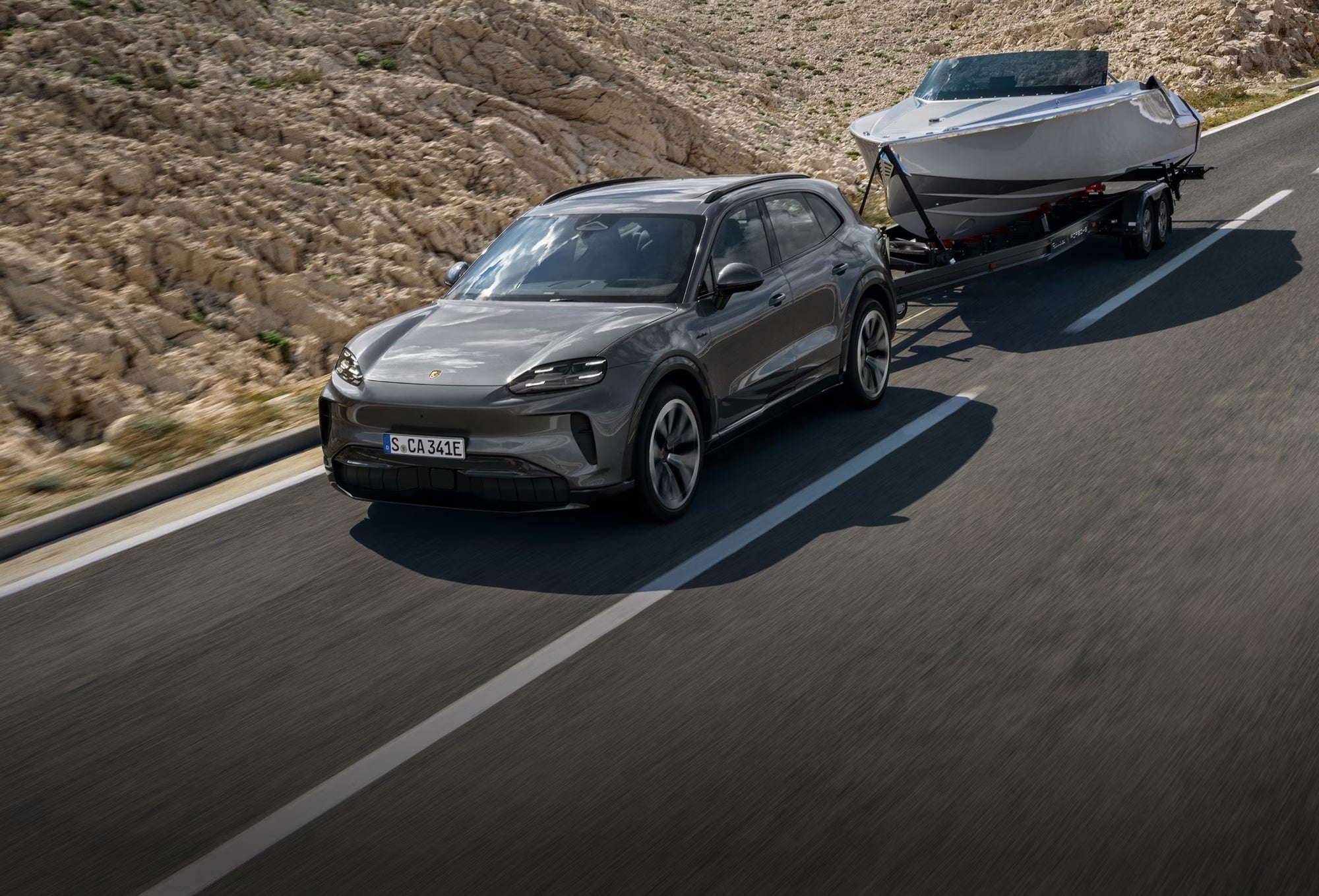
Blog / Cayenne

It's Worth the Wait: Here's What the Media is Saying about the 2026 Cayenne EV

2026 Cayenne EV for sale

The 2026 Porsche Cayenne EV has become one of the most closely watched upcoming luxury SUVs, not because Porsche is rushing it to market, but because it isn’t.

In an industry defined by aggressive timelines and splashy reveals, Porsche’s approach to electrifying the Cayenne has been slow, deliberate, and closely observed by automotive journalists who understand what’s at stake. This is not a niche model. The Cayenne has long been Porsche’s most practical vehicle, serving buyers who want everyday usability without giving up performance credibility. Turning that formula electric without breaking it is a high-wire act.

That’s why coverage of the Cayenne EV has focused less on shock value and more on intent. When Car and Driver was given an early prototype drive, the publication framed the vehicle as a continuation rather than a disruption, noting that “the 2026 Porsche Cayenne Electric introduces a host of high-performance and technological advancements” while remaining recognizably Cayenne in its mission. The emphasis was not on reinvention, but on translation — how Porsche’s established SUV values carry over to an electric platform.
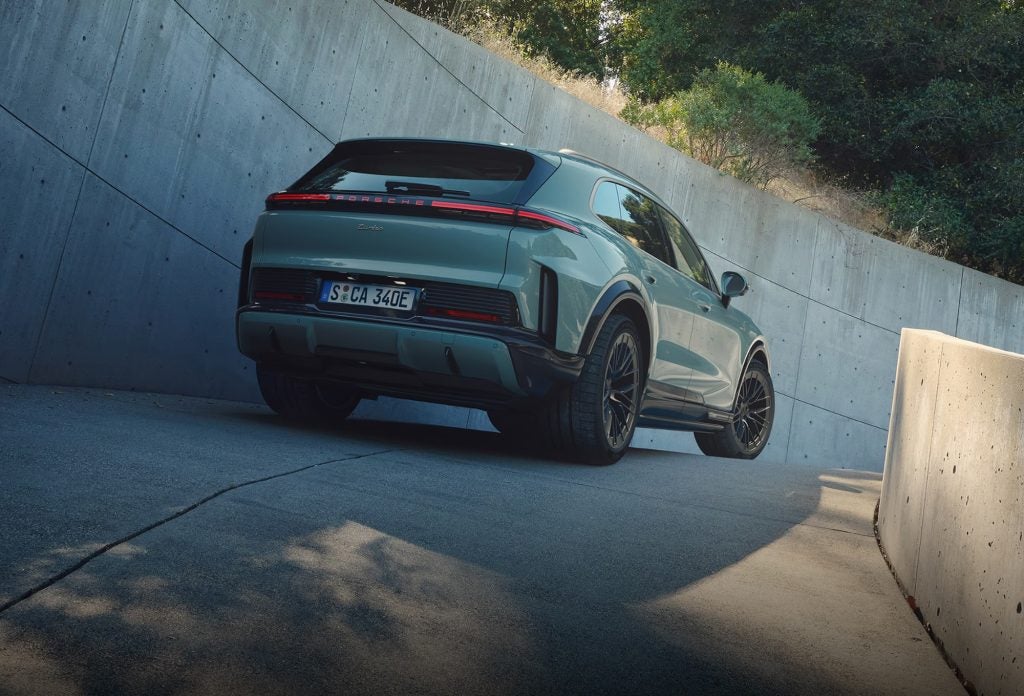
Media insights on the 2026 Cayenne EV and how it fits into Porsche’s future lineup
According to early media reports, the 2026 Cayenne EV is designed to complement—not replace—the gas-powered Cayenne.

Much of the media conversation has centered on what the Cayenne EV is not meant to replace. Rather than eliminating combustion or hybrid variants, Porsche has repeatedly signaled — and journalists have reinforced — that the electric Cayenne will exist alongside them. In its reporting, Car and Driver has pointed out that the Cayenne EV is being positioned as an additional option, not a forced migration, reflecting Porsche’s broader strategy of maintaining customer choice as electrification expands.

That distinction matters. Cayenne buyers tend to be pragmatic. They value confidence, comfort, and long-term usability as much as outright performance. The electric version, according to early reporting, is being engineered with those expectations firmly in mind.

Engineering philosophy has become a recurring theme in coverage. Rather than chasing headline numbers, Porsche appears focused on fundamentals. Road & Track has repeatedly emphasized Porsche’s tendency to delay launches until new technology meets internal standards, a pattern that has shaped everything from the Taycan to earlier combustion models. Its analysis consistently frames the vehicle as a product of restraint rather than haste.

Platform choice has drawn particular attention.

Major media outlets have confirmed that the Cayenne EV will ride on a dedicated electric architecture rather than a modified combustion platform. According to analysis in Autocar, this decision gives engineers greater control over weight distribution and chassis tuning — critical factors for a vehicle expected to carry the Cayenne name. The publication has stressed that starting with a clean-sheet electric platform is essential if Porsche intends to preserve the balanced driving character buyers expect.
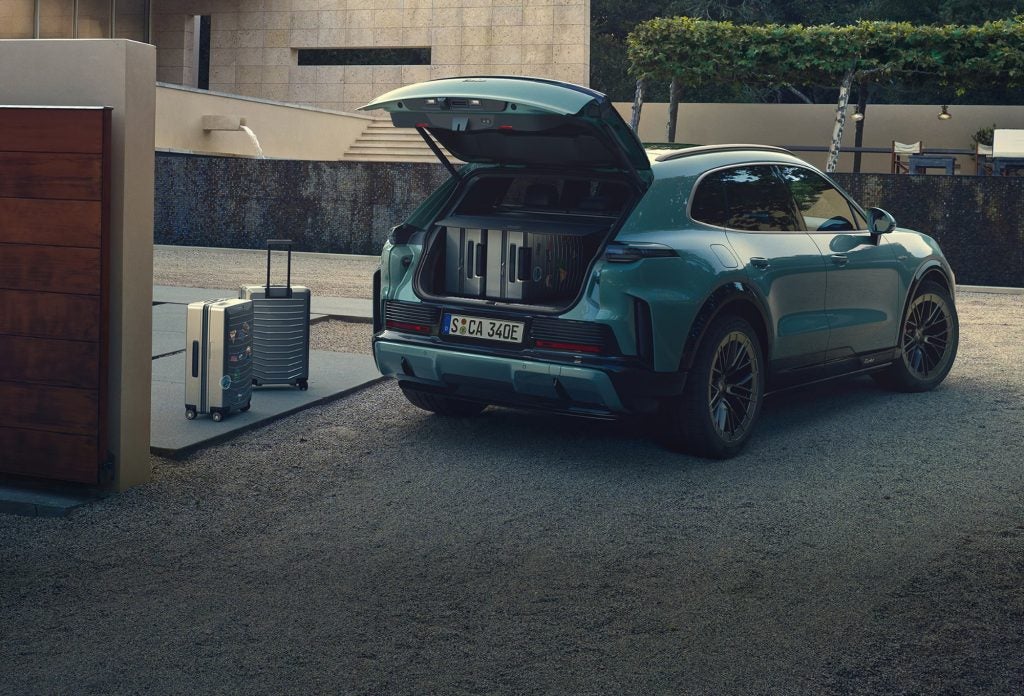
2026 Cayenne EV platform details highlighted in automotive media discussions
The platform choice for the 2026 Cayenne EV is one of the most talked-about topics in recent media coverage.

Charging capability and real-world usability have also featured prominently in coverage. While Porsche has shared technical direction publicly through official channels, media outlets have framed the Cayenne EV’s charging strategy as practical rather than performative. In its early impressions, MotorTrend described Porsche’s approach to electrification as “purpose-driven,” focusing on minimizing disruption during long trips instead of chasing marketing benchmarks. That framing aligns with how Cayenne owners typically use their vehicles — as daily drivers that also handle distance comfortably.

Interior expectations have followed a similar pattern.

Publications familiar with recent Porsche launches expect the Cayenne EV to reflect the brand’s current interior philosophy: modernized technology that supports the driving experience without overwhelming it. In coverage of Porsche’s broader EV strategy, Autocar wrote that the goal is not spectacle but “refinement, clarity, and an interior that feels comfortable over hours, not minutes,” language that echoes what long-time Cayenne buyers tend to value.

The way Porsche is managing anticipation has not gone unnoticed. Instead of revealing the Cayenne EV all at once, details have emerged gradually through controlled previews and prototype drives. Analysts have interpreted this as a deliberate effort to set expectations carefully. In its reporting, Car and Driver suggested that the measured rollout signals confidence rather than uncertainty — an approach aimed at buyers who prioritize reassurance over novelty.
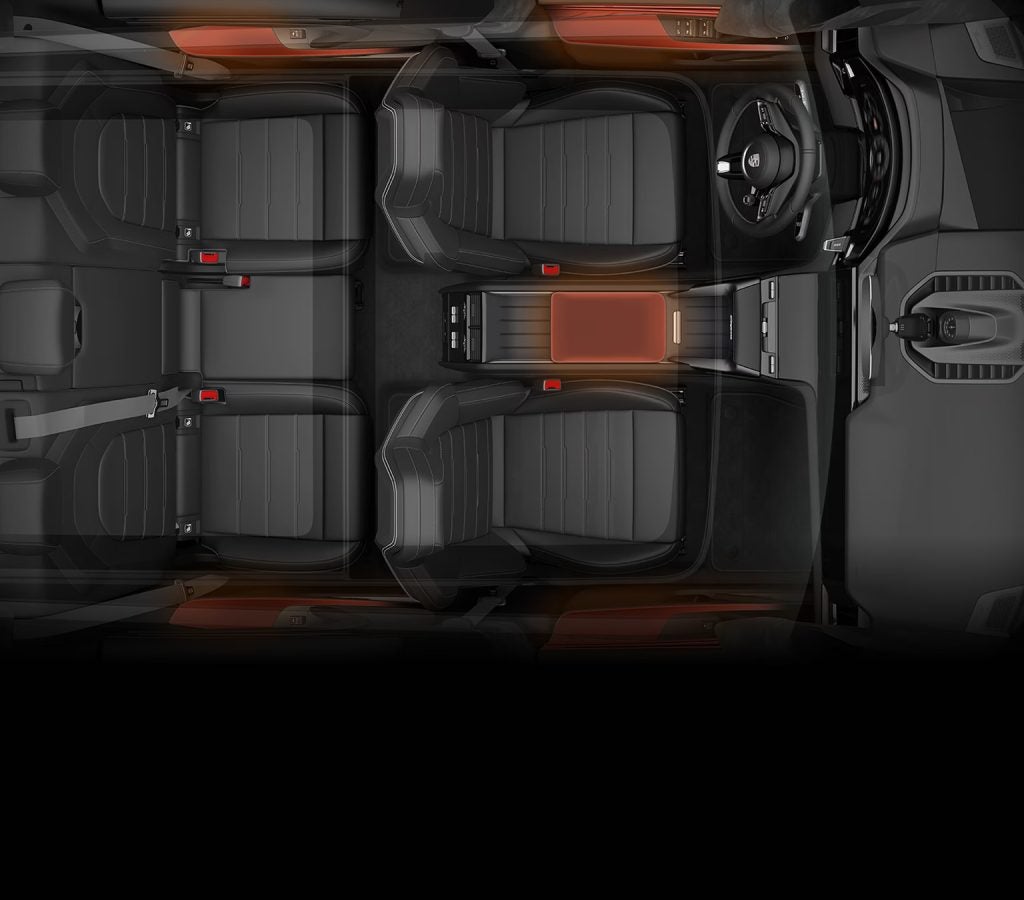
2026 Cayenne EV interior expectations based on what the media is saying
Interior expectations for the 2026 Cayenne EV reflect what the media believes Porsche fans are waiting for.

That strategy appears to be working.

Automotive News Europe has reported strong engagement following early appearances of the Cayenne EV concept and development vehicles, noting that interest is coming not only from EV-curious shoppers but also from existing Porsche customers. In its coverage, the outlet observed that much of the attention appears rooted in familiarity with the Cayenne name rather than curiosity about electrification alone.

Across publications, the Cayenne EV is framed as evolutionary — a careful extension of a model people depend on daily. Journalists consistently emphasize that Porsche is protecting the Cayenne’s role as a practical, confidence-inspiring SUV rather than turning it into a technological experiment.
That framing shapes expectations. 

As coverage continues to build toward launch, the dominant narrative remains consistent. The 2026 Porsche Cayenne EV is expected to deliver electric performance without redefining what the Cayenne is supposed to be. For buyers open to electrification but unwilling to compromise on Porsche engineering, that message carries weight.

For drivers following the Cayenne EV as it approaches availability, spending time with the latest updates and inventory information at Porsche Lincolnwood can help turn media coverage into a clearer understanding of how this electric SUV may fit into everyday life.
Posted in:

Related Posts

Porsche Cayenne electric flagship SUV concept showing the future of the Cayenne with modern luxury styling and electric performance design.

The Future of the Cayenne: Porsche Prepares Its Electric Flagship SUV

Porsche has been preparing for an electric future for more than a decade, but the upcoming all-electric Cayenne represents something fundamentally different from its earlier efforts. Unlike the Taycan, which introduced the brand’s electric performance philosophy in a relatively specialized segment, the Cayenne sits at the center of Porsche’s global business. Electrifying it is not just a technological move—it is a statement about how the brand intends to translate its identity into a new era. more As of 2026, Porsche has officially confirmed that an all-electric Cayenne is in development, with production planned for later this decade. The project is not being treated as an experimental offshoot. It is being developed as a core model, intended to carry forward the same balance of performance, usability, and everyday practicality that has defined the Cayenne since its introduction. Check Out: Latest 911 Inventory in Lincolnwood The current Cayenne lineup, which includes internal combustion and hybrid variants, remains a major part of Porsche’s sales mix. Recent updates have refined its powertrains, interior technology, and chassis systems, reinforcing its role as a high-performance luxury SUV that can function as a daily driver. The electric version is expected to build directly on that foundation rather than replace it abruptly. Porsche’s strategy has consistently emphasized continuity—evolving its vehicles rather than reinventing them entirely—and the Cayenne EV fits that pattern. Central to this transition is the Premium Platform Electric (PPE), a high-performance electric architecture developed within the Volkswagen Group. This platform is designed to support a wide range of vehicle types, but in Porsche applications, it is tuned specifically for performance and responsiveness. High-voltage systems, rapid charging capability, and flexible motor configurations allow engineers to tailor the platform to different use cases, from more efficiency-focused variants to higher-output performance models. Porsche prepares its electric flagship SUV with scalable EV architecture designed to shape the future of the Cayenne. One of the key advantages of this architecture is scalability. Porsche has rarely limited itself to a single version of a vehicle, and the electric Cayenne is expected to follow that same approach. Just as the current lineup ranges from standard models to more aggressive, performance-oriented trims, the electric version will likely offer multiple configurations. This allows the vehicle to serve both as a practical luxury SUV and as a high-performance flagship within its segment. While early headlines have focused on extreme power figures, Porsche’s actual engineering priorities appear to be more nuanced. Electric vehicles can deliver strong acceleration almost effortlessly, but sustaining that performance over time is far more complex. Heat management, battery stability, and system integration all play critical roles in determining how a vehicle performs under repeated stress. Porsche has already addressed these challenges in the Taycan, where advanced thermal systems allow for consistent performance across multiple acceleration runs. That same philosophy is expected to carry into the Cayenne EV. Read More: Porsche and the Electric Future: What It Means for Drivers in Chicago Handling presents another layer of complexity. The Cayenne has built its reputation on offering driving dynamics that feel unusually precise for a vehicle of its size. Maintaining that character in an electric platform requires careful attention to weight distribution, chassis tuning, and suspension design. Battery placement can actually work to Porsche’s advantage in some respects, lowering the center of gravity and improving stability. However, the overall mass of the vehicle remains a factor that must be managed through engineering rather than masked. Charging capability is equally important, particularly for a vehicle that is often used for long-distance travel. The PPE platform is expected to support 800-volt architecture, enabling significantly faster charging times compared to traditional systems. This allows the Cayenne EV to maintain the practicality that has been central to its appeal, ensuring that performance does not come at the expense of usability. Charging capability will play a major role in the future of the Cayenne as Porsche prepares its electric flagship SUV for long-distance travel. Design is expected to follow Porsche’s typical evolutionary approach. Rather than introducing a radically different form, the electric Cayenne will likely retain familiar proportions while incorporating subtle aerodynamic improvements. This may include revised lighting elements, smoother surface transitions, and active aerodynamic features designed to improve efficiency. Porsche’s design philosophy tends to prioritize continuity, ensuring that new models remain instantly recognizable even as their underlying technology changes. Inside, the transition to electric power is expected to bring further advancements in digital integration. Porsche has been steadily expanding its use of driver-focused displays and connectivity features, and the Cayenne EV will likely continue that trajectory. The emphasis remains on clarity and usability, with technology serving to enhance the driving experience rather than dominate it. The significance of the electric Cayenne extends beyond its technical specifications. It represents a shift in how performance SUVs are defined. Traditionally, this segment has relied on large engines and mechanical complexity to deliver power and capability. Electric architecture changes that equation, allowing for new forms of performance that are defined by responsiveness, precision, and control. At the same time, Porsche has been careful to manage expectations. While the direction of the vehicle is clear, many specific details—such as final power outputs, range figures, and exact release timing—have not yet been publicly finalized. This reflects a broader industry trend, where manufacturers focus on platform capabilities and engineering principles rather than committing to early specifications that may change during development. What is clear is that the electric Cayenne is not being developed in isolation. It is part of a broader strategy that includes electrification across multiple segments, supported by continued investment in both performance and infrastructure. By bringing electric technology into one of its most widely used models, Porsche is signaling that it views electrification not as a niche solution, but as a central component of its future. The Cayenne’s balance of luxury, performance, and utility continues to guide Porsche as it prepares its electric flagship SUV. The Cayenne has always been a vehicle defined by balance. It combines performance with practicality, luxury with usability, and innovation with continuity. The electric version is expected to carry those same qualities forward, translated into a new technological framework. Rather than redefining what the Cayenne is, Porsche appears to be focused on ensuring that it remains what it has always been—just adapted to the demands and opportunities of a changing automotive landscape. Quick Answers Porsche has confirmed that an all-electric Cayenne is in development, expected to arrive later this decade as part of its broader electrification strategy. Rather than focusing on unverified performance figures, the emphasis is on scalable electric architecture, repeatable performance, and real-world usability. This next-generation model reflects a shift toward controlled, consistent performance where battery systems, thermal management, and software integration determine how effectively power is delivered in everyday driving conditions. Frequently Asked Questions Is Porsche actually releasing an electric Cayenne? Yes, Porsche has confirmed that an all-electric Cayenne is in development. It is expected to launch later this decade as part of the brand’s electrification roadmap. Will it be more powerful than current models? It is expected to deliver stronger acceleration and more immediate power delivery, though exact figures have not been confirmed. Electric systems allow for consistent performance rather than just peak output. What platform will it use? The electric Cayenne is expected to use the PPE platform. This supports high-performance configurations, fast charging, and flexible vehicle design. Could it reach over 1,000 horsepower? There is no official confirmation of that level of output. While technically possible, Porsche has not released any specific performance figures. How will it handle compared to gas models? Maintaining Porsche’s signature handling is a major priority. Engineers are focused on weight distribution, chassis balance, and system control. What about range and charging? It is expected to use 800-volt architecture for faster charging. Final range estimates have not yet been announced. Will it still feel like a Porsche? Yes, preserving driving dynamics and responsiveness is central to development. Porsche consistently prioritizes driver engagement across all models. When will it be released? Porsche has indicated it will arrive later this decade. Exact timing has not yet been publicly finalized. Will there be multiple versions? Yes, Porsche is expected to offer multiple variants. This typically includes a range from standard to higher-performance configurations. Why is this model important? It represents a major step in electrifying one of Porsche’s most important vehicles. It also signals how performance SUVs will evolve in the electric era. Key Specifications Platform: PPE (Premium Platform Electric) Powertrain: Multi-motor electric configuration (expected) Architecture: 800-volt system (expected) Performance Focus: Repeatable performance, torque distribution, system integration Segment: Luxury electric performance SUV Expert Summary The electric Cayenne represents a significant transition for Porsche, extending electrification into one of its most widely used and commercially important vehicles. Rather than focusing on headline performance numbers, the development emphasis is on delivering consistent, usable performance that aligns with real-world driving needs. As electric technology continues to mature, the industry is shifting toward systems that prioritize integration, efficiency, and reliability. Porsche’s approach suggests a continuation of its core principles—precision, balance, and driver-focused engineering—adapted to an electric platform.

Blue Porsche Cayenne driving through a city street, showing why the Porsche Cayenne continues to define the luxury performance SUV.

Why the Porsche Cayenne Continues to Define the Luxury Performance SUV

When Porsche introduced the Cayenne in 2002, some enthusiasts questioned whether a sports car company should build an SUV. More than two decades later, the Cayenne has become one of the most important vehicles Porsche has ever produced. It combines the everyday practicality of an SUV with the performance engineering that defines the Porsche brand. more Today the Cayenne remains one of the most dynamic luxury SUVs on the road. It offers the space and versatility many drivers need while delivering the responsive handling and acceleration Porsche is known for. For drivers in Chicago and across the North Shore, the Cayenne provides an SUV experience that feels distinctly different from typical luxury utility vehicles. Cayenne Inventory for Sale Performance Engineering That Feels Like a Sports Car What separates the Cayenne from many SUVs is its focus on driving dynamics. Porsche engineers approach every vehicle with the same philosophy used in their sports cars: precise handling, responsive steering, and powerful acceleration. Even the entry-level Cayenne models deliver strong performance thanks to turbocharged engines that provide quick acceleration and smooth power delivery. Higher trims add even more capability, including powerful V8 engines and performance-tuned suspension systems. The result is an SUV that feels surprisingly agile for its size. Whether navigating tight city streets or accelerating onto the highway, the Cayenne responds quickly and confidently. The Porsche Cayenne blends sports car-inspired handling with SUV versatility, helping define the modern luxury performance SUV. Porsche also equips the Cayenne with advanced all-wheel-drive technology that constantly adjusts torque distribution between the front and rear wheels. This system enhances traction during challenging weather while maintaining the balanced handling drivers expect from a performance vehicle. A Cabin Designed Around the Driver Inside the Cayenne, Porsche combines modern luxury with a driver-focused layout. The interior design reflects the brand’s racing heritage while incorporating advanced technology and premium materials. The center console features a sleek, minimalist design with a high-resolution touchscreen that controls navigation, entertainment, and vehicle settings. Digital displays provide drivers with clear information about performance, navigation, and vehicle systems. High-quality materials are used throughout the cabin, including leather upholstery, brushed aluminum accents, and optional wood trim. The seats are designed for both comfort and support, making long drives feel relaxed while still holding occupants securely during spirited driving. Rear passengers benefit from generous legroom and refined cabin acoustics that reduce road noise. This attention to detail helps the Cayenne feel like a true luxury vehicle while still maintaining the brand’s sporty personality. Advanced Technology and Connectivity Modern luxury vehicles must deliver more than performance and comfort. Technology plays a major role in the driving experience, and the Cayenne integrates advanced digital features designed to enhance convenience and connectivity. Inside the Porsche Cayenne, a driver-focused cabin adds premium comfort to the experience that continues to define the luxury performance SUV. The infotainment system provides seamless smartphone integration, allowing drivers to access music, messaging, and navigation through familiar interfaces. Voice commands and touchscreen controls make it easy to adjust settings without distraction. Drivers can also customize many vehicle functions, from climate settings to driving modes. The Cayenne offers multiple performance settings that adjust throttle response, suspension behavior, and steering feel depending on the driver’s preferences. These digital tools help create a personalized driving experience that adapts to different situations, whether commuting through city traffic or enjoying a long weekend drive. Everyday Practicality Without Compromise While Porsche is known for performance, the Cayenne was designed to be practical as well. The SUV offers generous cargo capacity, making it useful for everything from grocery runs to road trips. Foldable rear seats allow drivers to expand storage space when needed, creating flexibility for larger items. Learn About: Porsche and the Electric Future: What It Means for Drivers in Chicago Many families appreciate the elevated seating position, which provides improved visibility while driving. The spacious interior also ensures passengers remain comfortable during longer journeys. For drivers who want one vehicle capable of handling daily responsibilities while still delivering an engaging driving experience, the Cayenne offers an appealing balance. Performance Meets Efficiency With Hybrid Options Porsche has also introduced electrified powertrains within the Cayenne lineup. Plug-in hybrid versions combine traditional engines with electric motors, providing strong acceleration along with improved efficiency. With sleek design and advanced hybrid options, the Porsche Cayenne continues to define the luxury performance SUV for modern drivers. These models allow drivers to complete shorter trips using electric power alone while still benefiting from the extended range provided by a gasoline engine. Hybrid technology in the Cayenne reflects Porsche’s broader strategy of combining performance with modern efficiency. Rather than sacrificing driving excitement, the electrified systems enhance acceleration while reducing fuel consumption. This approach allows the Cayenne to remain both powerful and forward-looking as the automotive industry evolves. Check Out: Why the Porsche 911 Still Defines the Modern Sports Car Designed for Drivers Who Want More From an SUV Luxury SUVs have become increasingly common, but the Cayenne stands apart because of its driving character. Where many SUVs prioritize comfort alone, the Cayenne blends comfort with precision engineering. The steering feels direct, the suspension responds quickly, and the vehicle maintains impressive balance through corners. For drivers who appreciate the engagement of a sports car but need the practicality of an SUV, the Cayenne offers a compelling solution. Discover the Porsche Cayenne at Porsche Lincolnwood Drivers throughout the Chicago area and the North Shore can experience the Porsche Cayenne at Porsche Lincolnwood, part of the Loeber Motors family of dealerships. Located in Lincolnwood just minutes from the Chicago city limits, Porsche Lincolnwood offers a full selection of Porsche vehicles along with factory-trained technicians and expert customer service. Whether you are exploring the performance capabilities of the Cayenne or learning more about Porsche engineering, the team at Porsche Lincolnwood can help you find the model that fits your lifestyle. To learn more about available Cayenne models or schedule a test drive, visit PorscheLincolnwood.com or stop by the showroom.

Porsche Cayenne towing a boat on the highway, showing why it remains the benchmark luxury performance SUV.

Why the Porsche Cayenne Remains the Benchmark Luxury Performance SUV

When Porsche introduced the Cayenne, it fundamentally changed the trajectory of the brand. What began as a bold expansion beyond two-door sports cars has evolved into one of the most important vehicles in the Porsche lineup. Today, the Cayenne is not simply a luxury SUV with a performance badge. It is engineered with the same philosophy that defines every Porsche: balance, precision, and usable power. For drivers in the Chicago area, the Cayenne occupies a particularly meaningful space. more Porsche Lincolnwood's Cayenne Inventory It delivers the elevated driving position and cargo flexibility that Midwest buyers expect, while maintaining the steering response and chassis control that separate Porsche from the broader SUV field. Whether commuting through Lincolnwood, navigating winter roads along the North Shore, or heading west on I-90 for a weekend trip, the Cayenne adapts without losing composure. Under the hood, the Cayenne lineup offers a range of powertrains confirmed by Porsche USA. With multiple trims and powertrains, the Porsche Cayenne lineup keeps its benchmark status in the luxury performance SUV segment. The standard Cayenne features a turbocharged 3.0-liter V6 producing 348 horsepower and 368 lb-ft of torque. Step up to the Cayenne S, and output increases significantly with a twin-turbocharged 4.0-liter V8 generating 468 horsepower. For drivers seeking electrified performance, the Cayenne E-Hybrid pairs a turbocharged V6 with an electric motor to deliver a combined 463 horsepower. Each configuration reflects a different interpretation of performance, but all retain Porsche’s unmistakable responsiveness. Acceleration figures reinforce the Cayenne’s dual personality. The base model is capable of reaching 60 mph in approximately 5.7 seconds, while higher trims reduce that time substantially. The Cayenne S achieves 0–60 mph in around 4.4 seconds. These numbers would be impressive in a sports sedan. In a luxury SUV with substantial cargo capacity, they become even more notable. Beyond straight-line performance, Porsche’s chassis systems distinguish the Cayenne from competitors. Available Porsche Active Suspension Management (PASM) continuously adjusts damping to balance comfort and control. Optional adaptive air suspension allows drivers to modify ride height and stiffness depending on conditions. Available rear-axle steering enhances agility at low speeds and stability at highway velocities. These systems work together to give the Cayenne a smaller, more composed feel than its dimensions suggest. The Cayenne’s design reflects restraint rather than excess. Clean surfaces, sculpted rear haunches, and distinctive LED lighting signatures maintain brand continuity with the 911 and other Porsche models. The Coupe variant introduces a more aggressive roofline, but even the standard Cayenne maintains a dynamic stance. It is athletic without being overstated. Precision engineering and advanced chassis tech help the Porsche Cayenne stay the benchmark luxury performance SUV. Inside, the Cayenne blends digital refinement with tactile quality. A curved digital instrument display integrates seamlessly with a central touchscreen interface. Wireless Apple CarPlay, Android Auto compatibility, and connected navigation features ensure modern usability. Materials remain premium throughout the cabin, from leather upholstery to aluminum and available wood trim accents. The layout emphasizes driver orientation, consistent with Porsche tradition. Practicality remains central to the Cayenne’s appeal. Everyday usability matters—the Porsche Cayenne remains the benchmark luxury performance SUV with space, comfort, and smart packaging. Rear seating provides comfortable space for passengers, and cargo capacity accommodates daily needs as well as longer travel. For Chicago families who want a performance-oriented vehicle without sacrificing utility, this balance is critical. Importantly, the Cayenne lineup offers flexibility. Buyers can select traditional combustion performance, hybrid assistance, or higher-output V8 configurations depending on priorities. That range allows the Cayenne to serve as both a daily luxury SUV and a legitimate performance vehicle. In a segment crowded with high-horsepower SUVs, the Cayenne stands apart because of how it feels behind the wheel. Steering precision, throttle response, and body control all reflect Porsche’s engineering discipline. It does not attempt to mask its size. Instead, it manages it with intelligence. For those interested in exploring current availability or configuring a Cayenne model, more information can be found at Porsche Lincolnwood and by browsing available Porsche Cayenne models.