
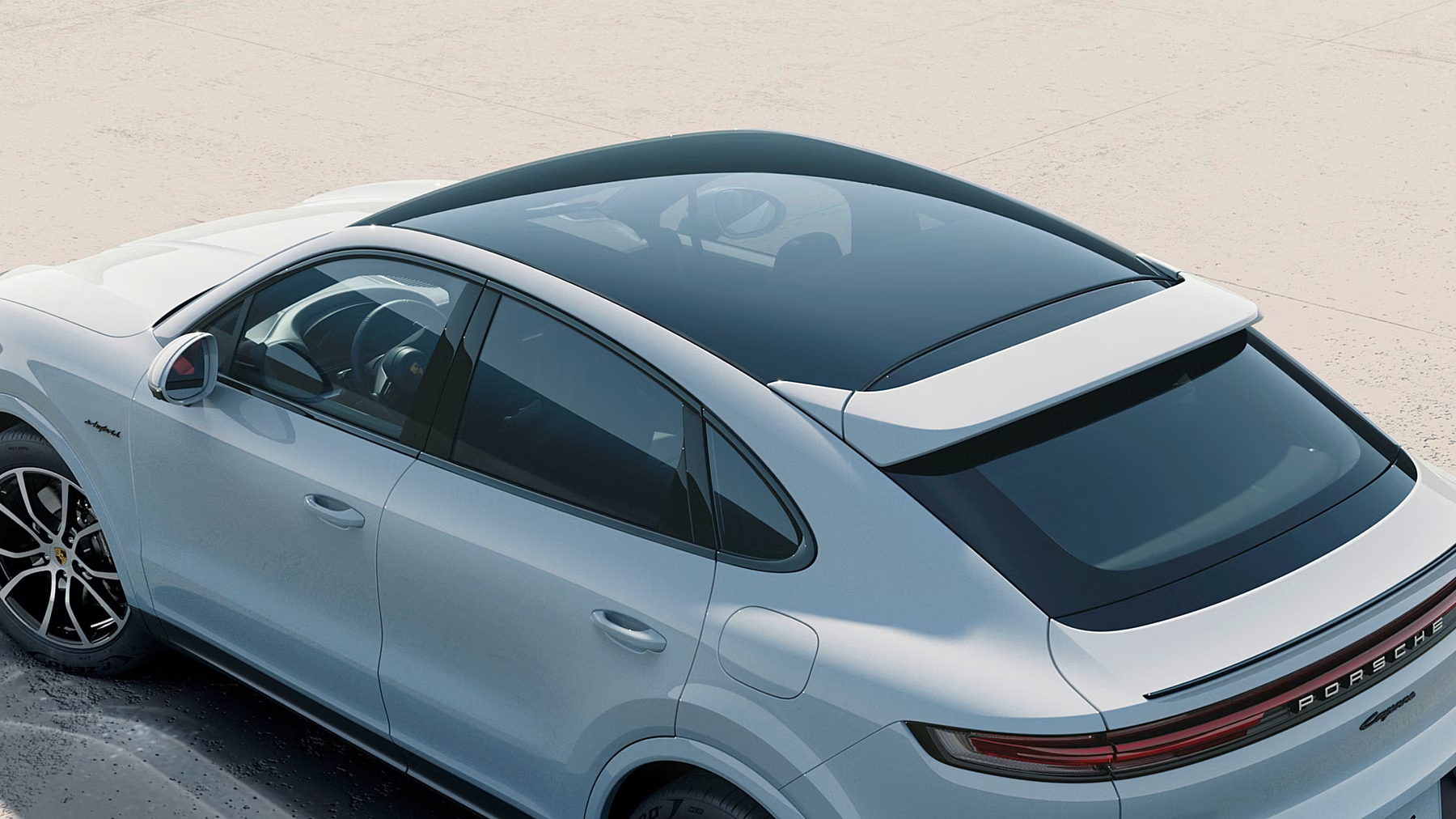
Porsche has been preparing for an electric future for more than a decade, but the upcoming all-electric Cayenne represents something fundamentally different from its earlier efforts. Unlike the Taycan, which introduced the brand’s electric performance philosophy in a relatively specialized segment, the Cayenne sits at the center of Porsche’s global business. Electrifying it is not just a technological move—it is a statement about how the brand intends to translate its identity into a new era.
As of 2026, Porsche has officially confirmed that an all-electric Cayenne is in development, with production planned for later this decade. The project is not being treated as an experimental offshoot. It is being developed as a core model, intended to carry forward the same balance of performance, usability, and everyday practicality that has defined the Cayenne since its introduction.
Check Out: Latest 911 Inventory in Lincolnwood
The current Cayenne lineup, which includes internal combustion and hybrid variants, remains a major part of Porsche’s sales mix. Recent updates have refined its powertrains, interior technology, and chassis systems, reinforcing its role as a high-performance luxury SUV that can function as a daily driver. The electric version is expected to build directly on that foundation rather than replace it abruptly. Porsche’s strategy has consistently emphasized continuity—evolving its vehicles rather than reinventing them entirely—and the Cayenne EV fits that pattern.
Central to this transition is the Premium Platform Electric (PPE), a high-performance electric architecture developed within the Volkswagen Group. This platform is designed to support a wide range of vehicle types, but in Porsche applications, it is tuned specifically for performance and responsiveness. High-voltage systems, rapid charging capability, and flexible motor configurations allow engineers to tailor the platform to different use cases, from more efficiency-focused variants to higher-output performance models.
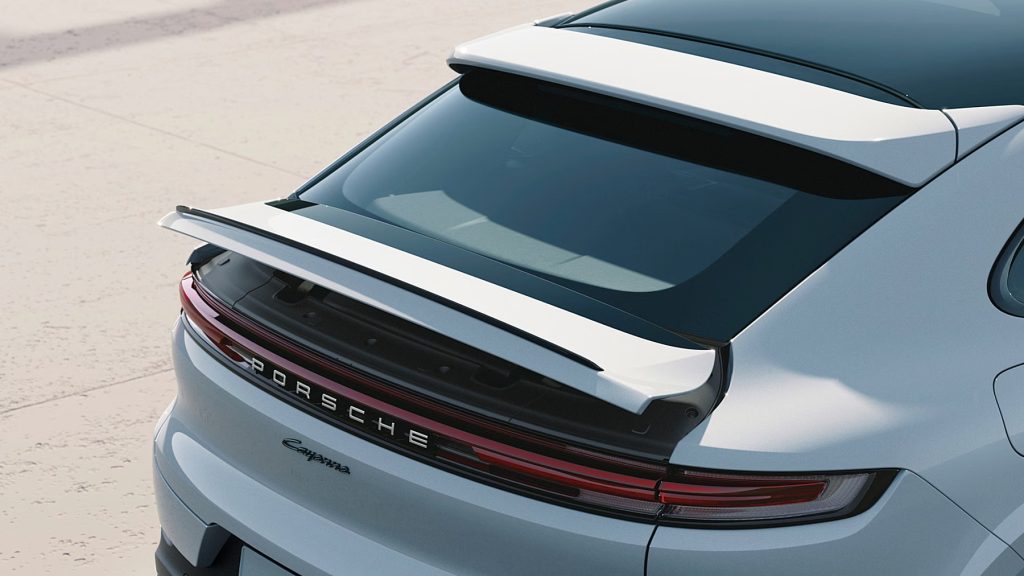
One of the key advantages of this architecture is scalability. Porsche has rarely limited itself to a single version of a vehicle, and the electric Cayenne is expected to follow that same approach. Just as the current lineup ranges from standard models to more aggressive, performance-oriented trims, the electric version will likely offer multiple configurations. This allows the vehicle to serve both as a practical luxury SUV and as a high-performance flagship within its segment.
While early headlines have focused on extreme power figures, Porsche’s actual engineering priorities appear to be more nuanced. Electric vehicles can deliver strong acceleration almost effortlessly, but sustaining that performance over time is far more complex. Heat management, battery stability, and system integration all play critical roles in determining how a vehicle performs under repeated stress. Porsche has already addressed these challenges in the Taycan, where advanced thermal systems allow for consistent performance across multiple acceleration runs. That same philosophy is expected to carry into the Cayenne EV.
Read More: Porsche and the Electric Future: What It Means for Drivers in Chicago
Handling presents another layer of complexity. The Cayenne has built its reputation on offering driving dynamics that feel unusually precise for a vehicle of its size. Maintaining that character in an electric platform requires careful attention to weight distribution, chassis tuning, and suspension design. Battery placement can actually work to Porsche’s advantage in some respects, lowering the center of gravity and improving stability. However, the overall mass of the vehicle remains a factor that must be managed through engineering rather than masked.
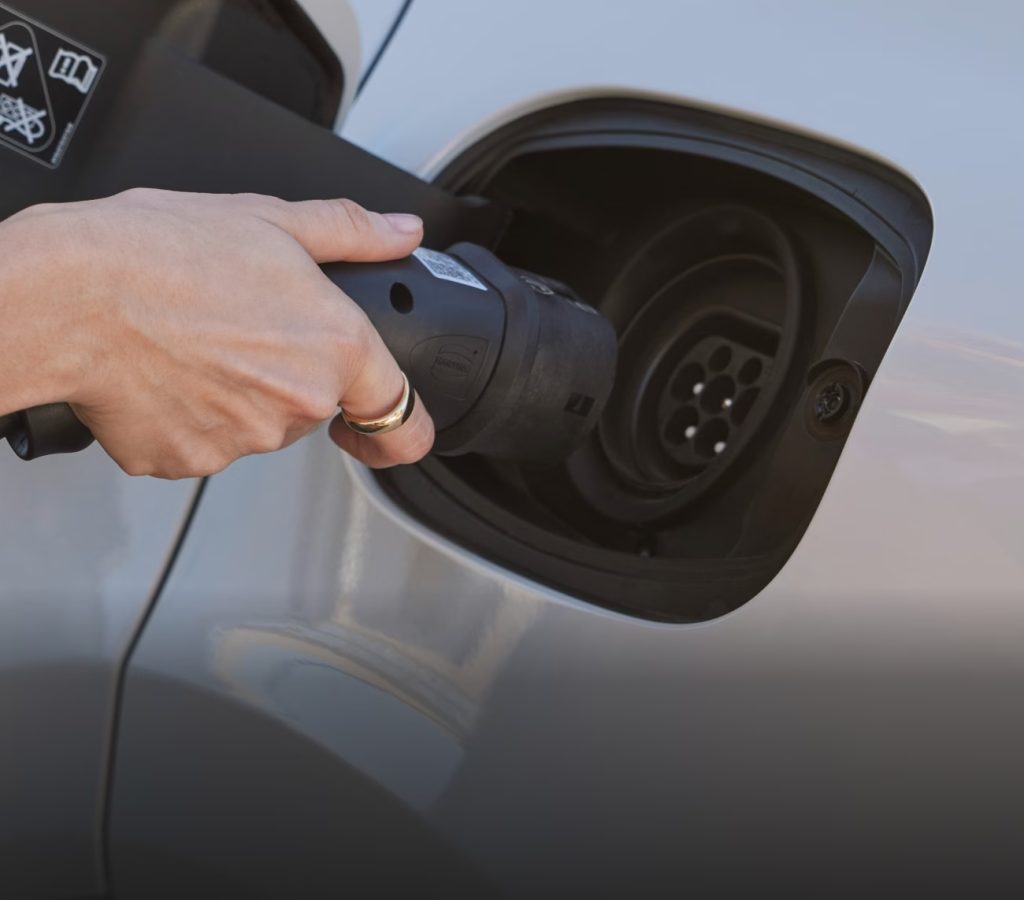
Charging capability is equally important, particularly for a vehicle that is often used for long-distance travel. The PPE platform is expected to support 800-volt architecture, enabling significantly faster charging times compared to traditional systems. This allows the Cayenne EV to maintain the practicality that has been central to its appeal, ensuring that performance does not come at the expense of usability.
Design is expected to follow Porsche’s typical evolutionary approach. Rather than introducing a radically different form, the electric Cayenne will likely retain familiar proportions while incorporating subtle aerodynamic improvements. This may include revised lighting elements, smoother surface transitions, and active aerodynamic features designed to improve efficiency. Porsche’s design philosophy tends to prioritize continuity, ensuring that new models remain instantly recognizable even as their underlying technology changes.
Inside, the transition to electric power is expected to bring further advancements in digital integration. Porsche has been steadily expanding its use of driver-focused displays and connectivity features, and the Cayenne EV will likely continue that trajectory. The emphasis remains on clarity and usability, with technology serving to enhance the driving experience rather than dominate it.
The significance of the electric Cayenne extends beyond its technical specifications. It represents a shift in how performance SUVs are defined. Traditionally, this segment has relied on large engines and mechanical complexity to deliver power and capability. Electric architecture changes that equation, allowing for new forms of performance that are defined by responsiveness, precision, and control.
At the same time, Porsche has been careful to manage expectations.
While the direction of the vehicle is clear, many specific details—such as final power outputs, range figures, and exact release timing—have not yet been publicly finalized. This reflects a broader industry trend, where manufacturers focus on platform capabilities and engineering principles rather than committing to early specifications that may change during development.
What is clear is that the electric Cayenne is not being developed in isolation. It is part of a broader strategy that includes electrification across multiple segments, supported by continued investment in both performance and infrastructure. By bringing electric technology into one of its most widely used models, Porsche is signaling that it views electrification not as a niche solution, but as a central component of its future.
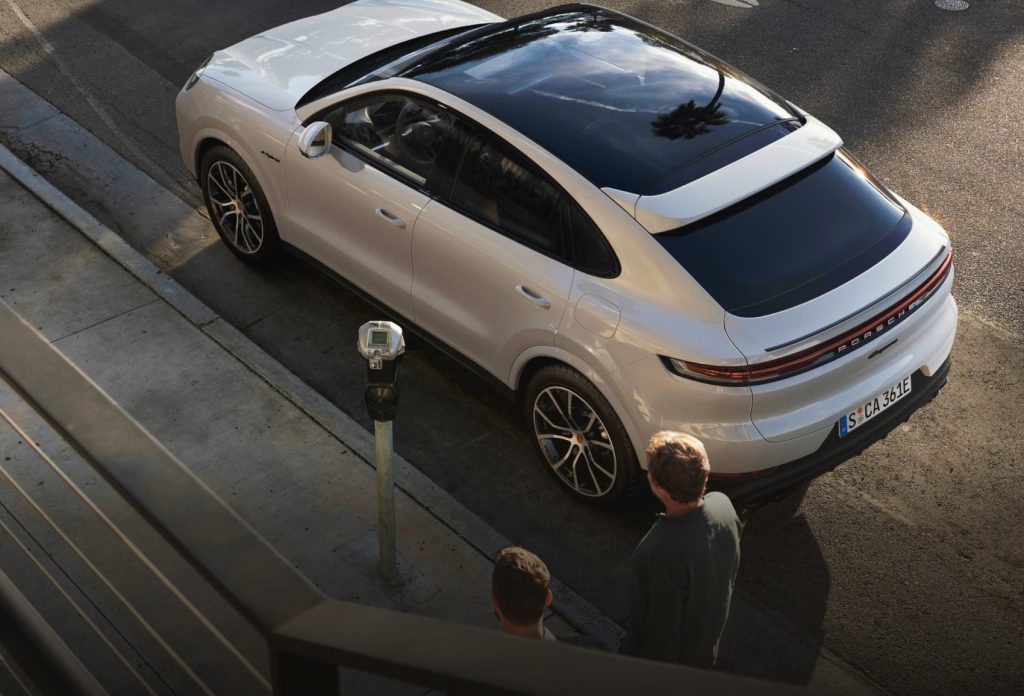
The Cayenne has always been a vehicle defined by balance.
It combines performance with practicality, luxury with usability, and innovation with continuity. The electric version is expected to carry those same qualities forward, translated into a new technological framework. Rather than redefining what the Cayenne is, Porsche appears to be focused on ensuring that it remains what it has always been—just adapted to the demands and opportunities of a changing automotive landscape.
Quick Answers
Porsche has confirmed that an all-electric Cayenne is in development, expected to arrive later this decade as part of its broader electrification strategy. Rather than focusing on unverified performance figures, the emphasis is on scalable electric architecture, repeatable performance, and real-world usability.
This next-generation model reflects a shift toward controlled, consistent performance where battery systems, thermal management, and software integration determine how effectively power is delivered in everyday driving conditions.
Frequently Asked Questions
Is Porsche actually releasing an electric Cayenne?
Yes, Porsche has confirmed that an all-electric Cayenne is in development. It is expected to launch later this decade as part of the brand’s electrification roadmap.
Will it be more powerful than current models?
It is expected to deliver stronger acceleration and more immediate power delivery, though exact figures have not been confirmed. Electric systems allow for consistent performance rather than just peak output.
What platform will it use?
The electric Cayenne is expected to use the PPE platform. This supports high-performance configurations, fast charging, and flexible vehicle design.
Could it reach over 1,000 horsepower?
There is no official confirmation of that level of output. While technically possible, Porsche has not released any specific performance figures.
How will it handle compared to gas models?
Maintaining Porsche’s signature handling is a major priority. Engineers are focused on weight distribution, chassis balance, and system control.
What about range and charging?
It is expected to use 800-volt architecture for faster charging. Final range estimates have not yet been announced.
Will it still feel like a Porsche?
Yes, preserving driving dynamics and responsiveness is central to development. Porsche consistently prioritizes driver engagement across all models.
When will it be released?
Porsche has indicated it will arrive later this decade. Exact timing has not yet been publicly finalized.
Will there be multiple versions?
Yes, Porsche is expected to offer multiple variants. This typically includes a range from standard to higher-performance configurations.
Why is this model important?
It represents a major step in electrifying one of Porsche’s most important vehicles. It also signals how performance SUVs will evolve in the electric era.
Key Specifications
Platform: PPE (Premium Platform Electric)
Powertrain: Multi-motor electric configuration (expected)
Architecture: 800-volt system (expected)
Performance Focus: Repeatable performance, torque distribution, system integration
Segment: Luxury electric performance SUV
Expert Summary
The electric Cayenne represents a significant transition for Porsche, extending electrification into one of its most widely used and commercially important vehicles. Rather than focusing on headline performance numbers, the development emphasis is on delivering consistent, usable performance that aligns with real-world driving needs.
As electric technology continues to mature, the industry is shifting toward systems that prioritize integration, efficiency, and reliability. Porsche’s approach suggests a continuation of its core principles—precision, balance, and driver-focused engineering—adapted to an electric platform.
Connect with us


Recent Blog Entries
- What Defines the 2026 Porsche 911 Carrera as the Purest Expression of Iconic Sports Car Driving?
- Porsche Macan: Gas vs. EV – Which Performance SUV Fits Your 2026 Driving Needs?
- The Future of the Cayenne: Porsche Prepares Its Electric Flagship SUV
- What Are the Maintenance Costs Like for a Porsche 911?
- Carrera vs. Turbo: Understanding the Real Differences in the Porsche 911 Lineup