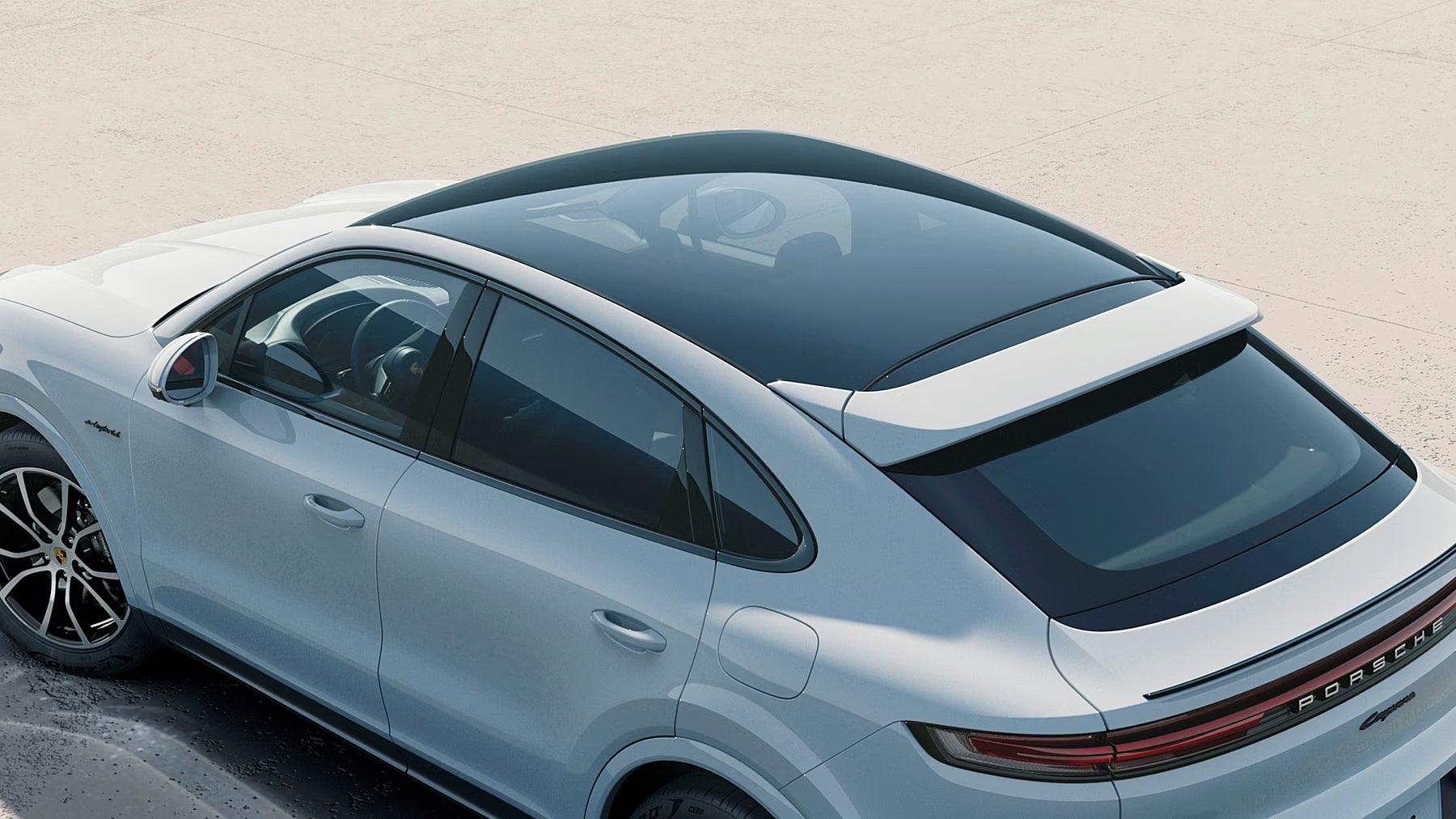
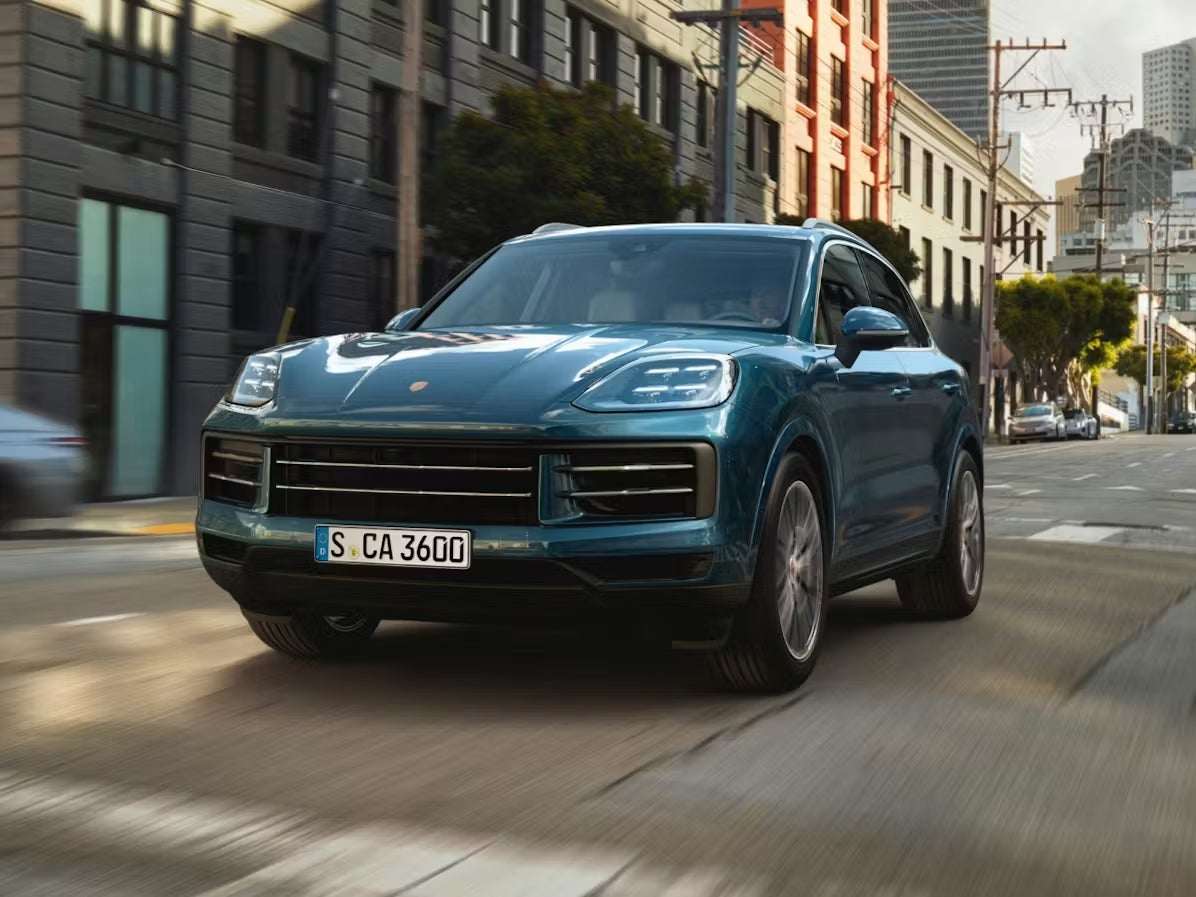
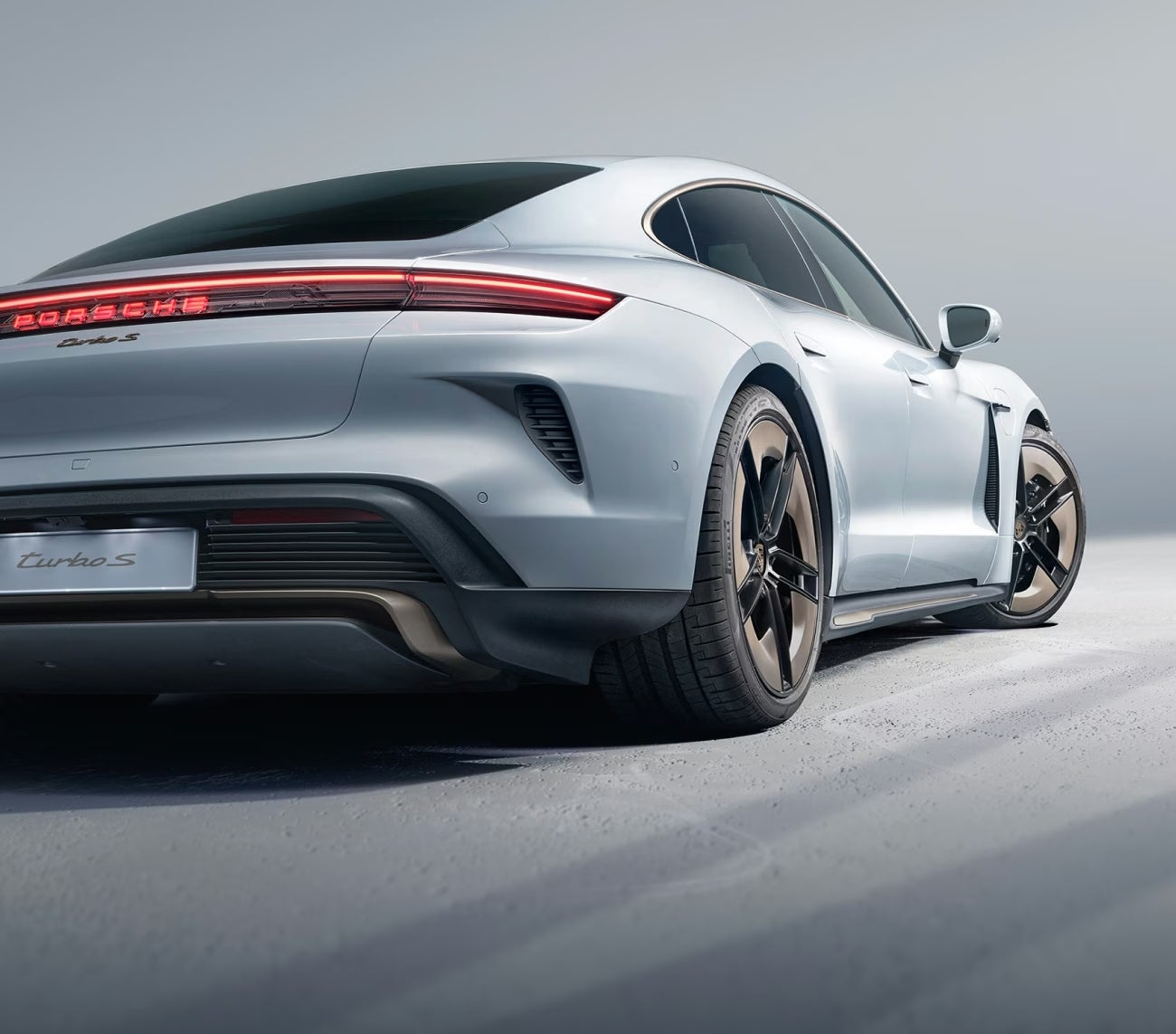
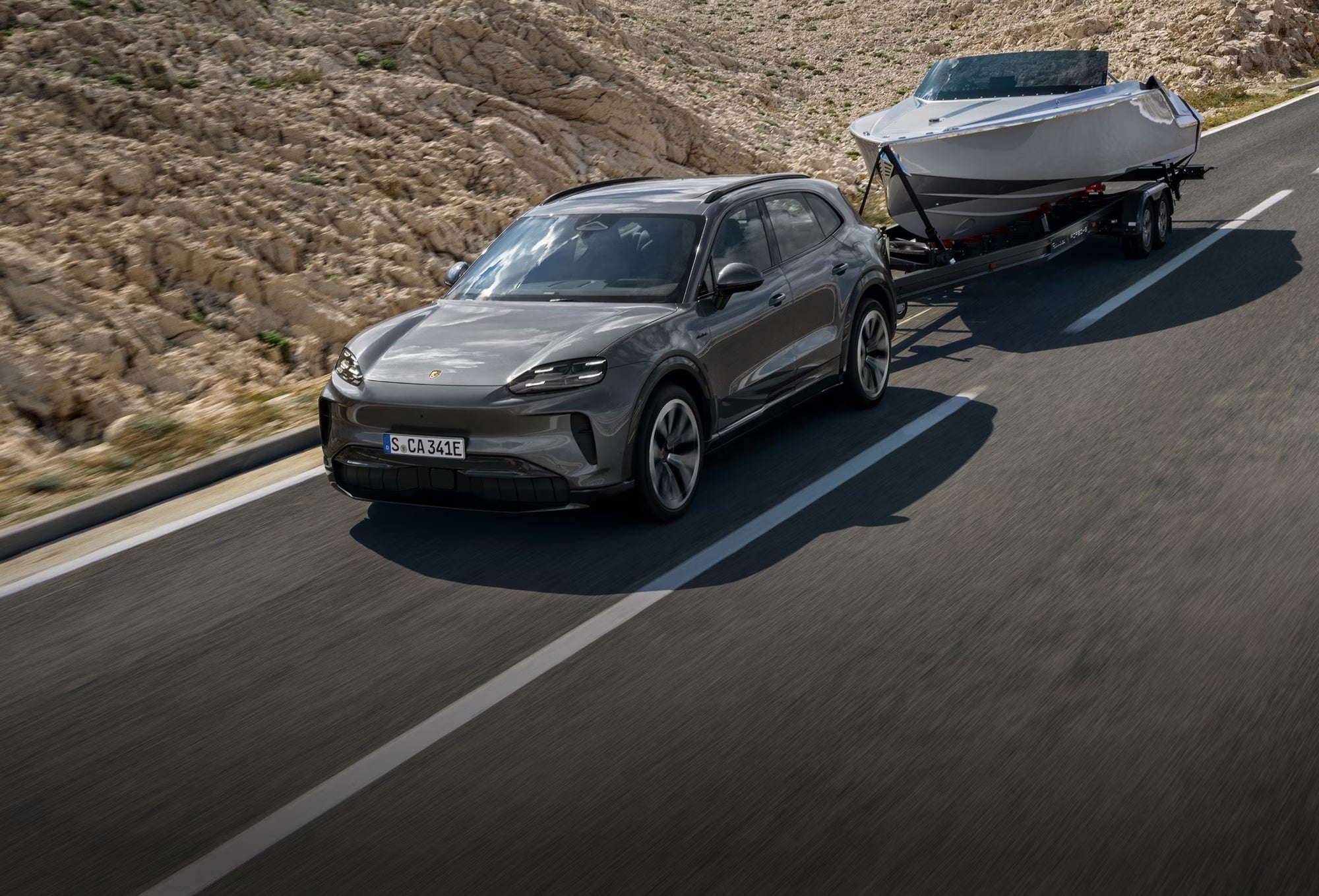
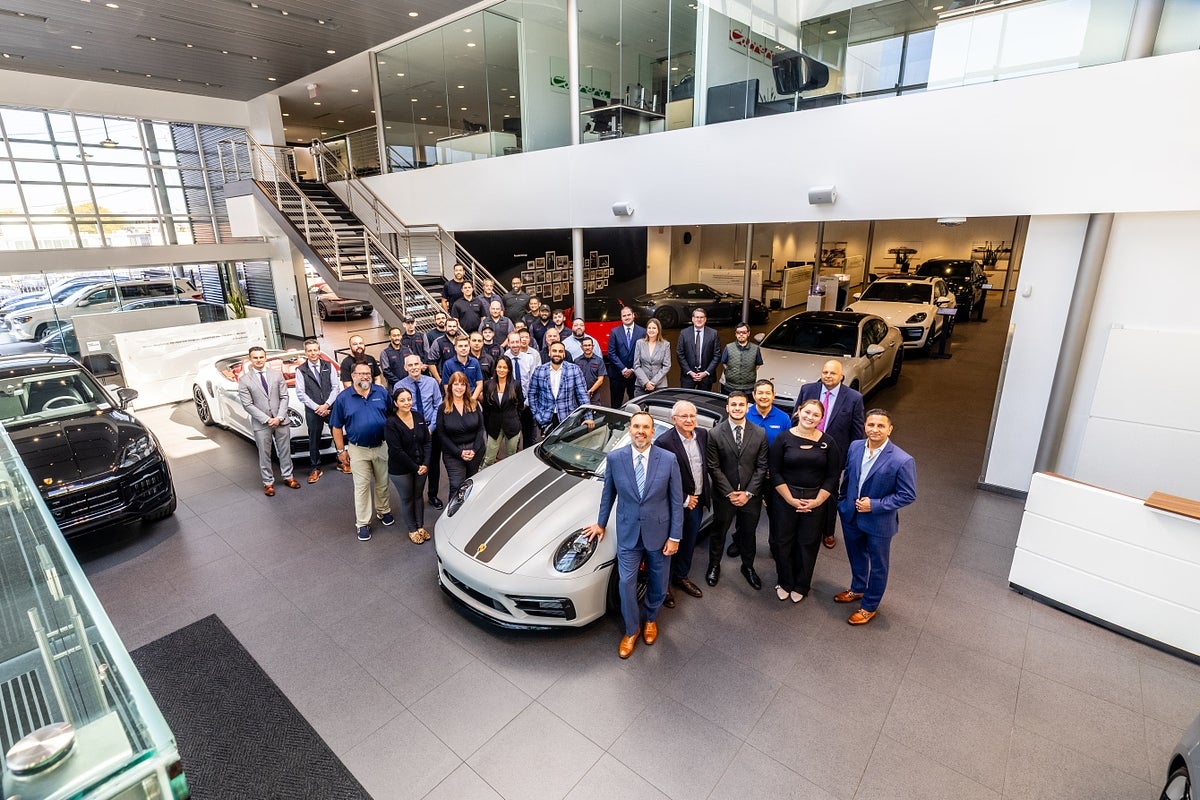
The Porsche Macan continues to define the sporty luxury compact SUV segment in 2026, now offering a clear choice between refined gasoline-powered models and advanced electric variants. As Porsche shifts toward electrification, many buyers are weighing the familiar character of gas Macans against the instant performance and future-focused technology of the Macan Electric. Both deliver the precise handling, premium craftsmanship, and emotional connection that Porsche drivers expect, but they cater to different priorities in daily use, long trips, and overall ownership. more Gas-powered Macans for 2026 start with the model around $65,400, featuring a 2.0-liter turbocharged inline-four producing 261 horsepower and 295 lb-ft of torque. Higher trims like the Macan S and GTS step up with stronger engines—the GTS, for example, delivers approximately 434 horsepower from a 2.9-liter V6. These models offer strong mid-range pull, a satisfying exhaust note, and the convenience of traditional refueling. With a fuel tank that provides over 400 miles of total range depending on driving style, gas Macans excel for spontaneous long-distance travel, highway cruising through Illinois, or areas with limited charging infrastructure. The 8-speed PDK transmission and Porsche Traction Management all-wheel-drive system ensure responsive shifts and confident grip in all conditions. The electric Macan lineup begins near $80,300 for the Macan Electric with approximately 355 horsepower from dual motors (rear- and all-wheel-drive configurations available). Higher variants like the Macan 4S Electric and Turbo Electric push output to over 509 horsepower and up to 563+ hp in top trims, with 0-60 mph times dipping under 4 seconds. The 100 kWh battery delivers up to 315-321 miles of EPA-estimated range on the model, supported by 800-volt architecture that enables ultra-fast DC charging—adding roughly 150 miles in about 10 minutes at peak rates. The EV’s lower center of gravity from the floor-mounted battery pack sharpens handling and reduces body roll, giving the electric Macan an even more planted and agile feel through corners. Both Porsche Macan gas and EV models keep the athletic design expected from a modern performance SUV. Design-wise, both versions maintain the Macan’s athletic proportions, sleek roofline, and signature Porsche styling cues. The gas models feature traditional front grilles and exhaust outlets, while electric variants have smoother, closed-off front ends optimized for aerodynamics and distinctive light signatures. Inside, both offer the same high-quality cabins with premium leather, available sport seats, a 12.6-inch digital cluster, and a 10.9-inch central touchscreen running the latest PCM system with Apple CarPlay, Android Auto, and intuitive controls. Rear seating accommodates adults comfortably for shorter trips, and cargo space remains versatile at around 17-19 cubic feet behind the rear seats, expanding significantly with the seats folded. Performance differences are noticeable in real-world driving. Gas Macans provide linear power delivery with a familiar engine soundtrack that many enthusiasts enjoy, along with strong towing capacity for light trailers or bikes. The electric versions deliver instantaneous torque for effortless launches and overtaking, with near-silent operation that enhances refinement during commutes. Regenerative braking in the EVs can be tuned for one-pedal driving, turning city traffic into an energy-recovery opportunity. On twisty North Shore roads or highway merges, both shine, but the EV’s weight distribution often feels more responsive in dynamic situations. Check Out: Porsche and the Electric Future: What It Means for Drivers in Chicago Safety and driver assistance systems are comprehensive across the lineup. Adaptive cruise control, lane-keeping assist, 360-degree cameras, ParkAssist, and Porsche’s advanced stability systems work together to support the driver. The robust structure and multiple airbags provide strong passive protection, giving families and daily drivers confidence in variable Midwest weather. Practical considerations often drive the gas vs. EV decision. Gas Macans offer the simplicity of quick refueling at any station and proven long-range capability for road trips to Michigan or Wisconsin. Electric Macans provide lower operating costs (electricity vs. premium fuel), reduced maintenance (no oil changes or complex exhaust systems), and access to growing charging networks in the Chicago area, including home wallbox installations. Illinois incentives and federal EV tax credits can further improve the economics of the electric choice. However, charging time versus refueling remains a factor for high-mileage drivers or those without convenient home charging. Practical factors like charging, fueling, range, and daily use can shape the Porsche Macan gas vs. EV decision. At Porsche Lincolnwood, customers can directly compare both powertrains side-by-side. The dealership’s specialists help evaluate your typical driving patterns—daily commutes, weekend adventures, or longer family trips—to determine the best fit. Test drives on local roads reveal the distinct characters: the familiar growl and flexibility of gas versus the silent surge and sharpened dynamics of electric. Their team also provides guidance on home charging solutions, service differences, warranty coverage, and financing options tailored to each powertrain. The Porsche Macan, whether gas or electric, remains a benchmark for sporty luxury SUVs. Gas versions appeal to traditionalists who value familiarity, sound, and unlimited range on a tank. Electric variants attract those embracing the future with quicker responses, efficiency, and modern technology. Both preserve Porsche’s DNA of precise steering, balanced chassis, and emotional driving reward. Check Out: Latest 911 Inventory in Lincolnwood Choosing between them ultimately comes down to lifestyle and priorities. For maximum flexibility and classic Porsche character, the gas Macan delivers. For instant performance, lower running costs, and forward-looking refinement, the Macan Electric stands out. Porsche Lincolnwood makes the decision easier by offering expert comparisons, personalized configurations, and ongoing support that ensures complete satisfaction regardless of your choice. Choosing between the Porsche Macan gas vs. EV depends on lifestyle, performance expectations, and 2026 driving needs. In 2026, the Macan lineup gives buyers the best of both worlds within one iconic nameplate—performance luxury that adapts to how you live and drive. Quick Answers The Porsche Macan Gas at Porsche Lincolnwood starts around $65,400 with proven engines and excellent range. The Macan Electric begins near $80,300 with up to 315+ miles of range and instant torque. Side-by-side test drives comparing Gas vs. EV Macan are available at Porsche Lincolnwood. Gas offers refueling convenience and traditional character; EV provides quicker acceleration and efficiency. Both maintain exceptional Porsche handling, luxury, and versatility. Frequently Asked Questions What are the biggest real-world differences between gas and electric Macan models for Chicago-area driving? Gas models excel with quick refueling and longer total range for spontaneous trips, while electric versions offer silent, instant power, lower energy costs, and sharper handling due to the battery placement—ideal for daily commutes and urban agility. How do performance and driving dynamics compare between the gas Macan GTS and Macan Turbo Electric? The gas GTS delivers strong V6 character and sound with engaging pull, while the Turbo Electric provides superior off-the-line acceleration and more planted cornering. Both feel distinctly Porsche but deliver thrills in different ways. What financing, incentives, and ownership costs should buyers consider at Porsche Lincolnwood? Porsche Lincolnwood offers competitive rates and leases for both. Electric buyers may qualify for federal tax credits and local incentives, with lower long-term fuel and maintenance costs offsetting the higher initial price. Which Macan is better for families or frequent highway travel in the Midwest? Both are family-friendly with comfortable seating and cargo space. Gas models suit longer un-planned trips with easy refueling, while EVs work well with home charging and growing infrastructure for planned travel. Will gas Macans continue to be available or is Porsche fully shifting to electric? Gas Macans remain well-supported for 2026 with strong availability. Porsche is expanding the electric lineup while continuing to refine combustion models, giving buyers time to choose their preferred powertrain. Key Specifications Gas Macan (GTS Example) • Engine: 2.9L twin-turbo V6, ~434 hp • 0-60 mph: ~4.5 seconds • Drive: All-wheel drive • Fuel Economy: Approx. 17-22 mpg combined Macan Electric (Turbo Example) • Power: Up to 563+ hp • 0-60 mph: Under 4 seconds • Range: Up to 300+ miles (higher trims) • Charging: 800V ultra-fast capability. Local Insights Porsche Lincolnwood in Illinois serves as the ideal destination for comparing the full Macan lineup. Their expert team provides hands-on demonstrations, real-world test drives tailored to Chicagoland conditions, and personalized advice on charging infrastructure, incentives, and long-term ownership. Expert Summary The Porsche Macan in gas or electric form at Porsche Lincolnwood represents versatile performance luxury at its finest. Whether you prefer the traditional refinement of gasoline or the electrified excitement of the EV, the dealership’s specialists ensure you drive home in the perfect model. Visit Porsche Lincolnwood today for a side-by-side comparison and experience the Macan difference for yourself.
What Defines the 2026 Porsche 911 Carrera as the Purest Expression of Iconic Sports Car Driving?
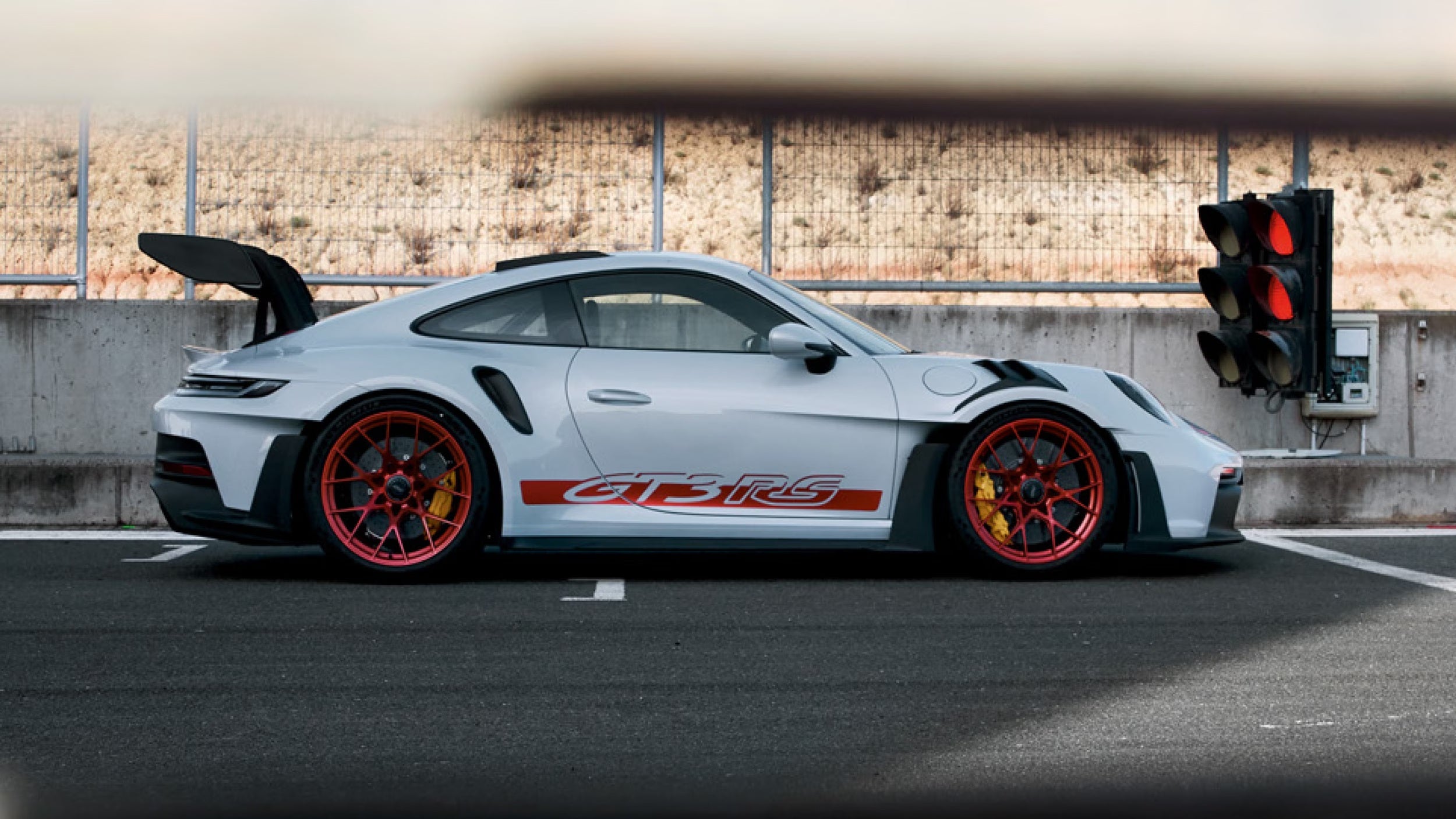
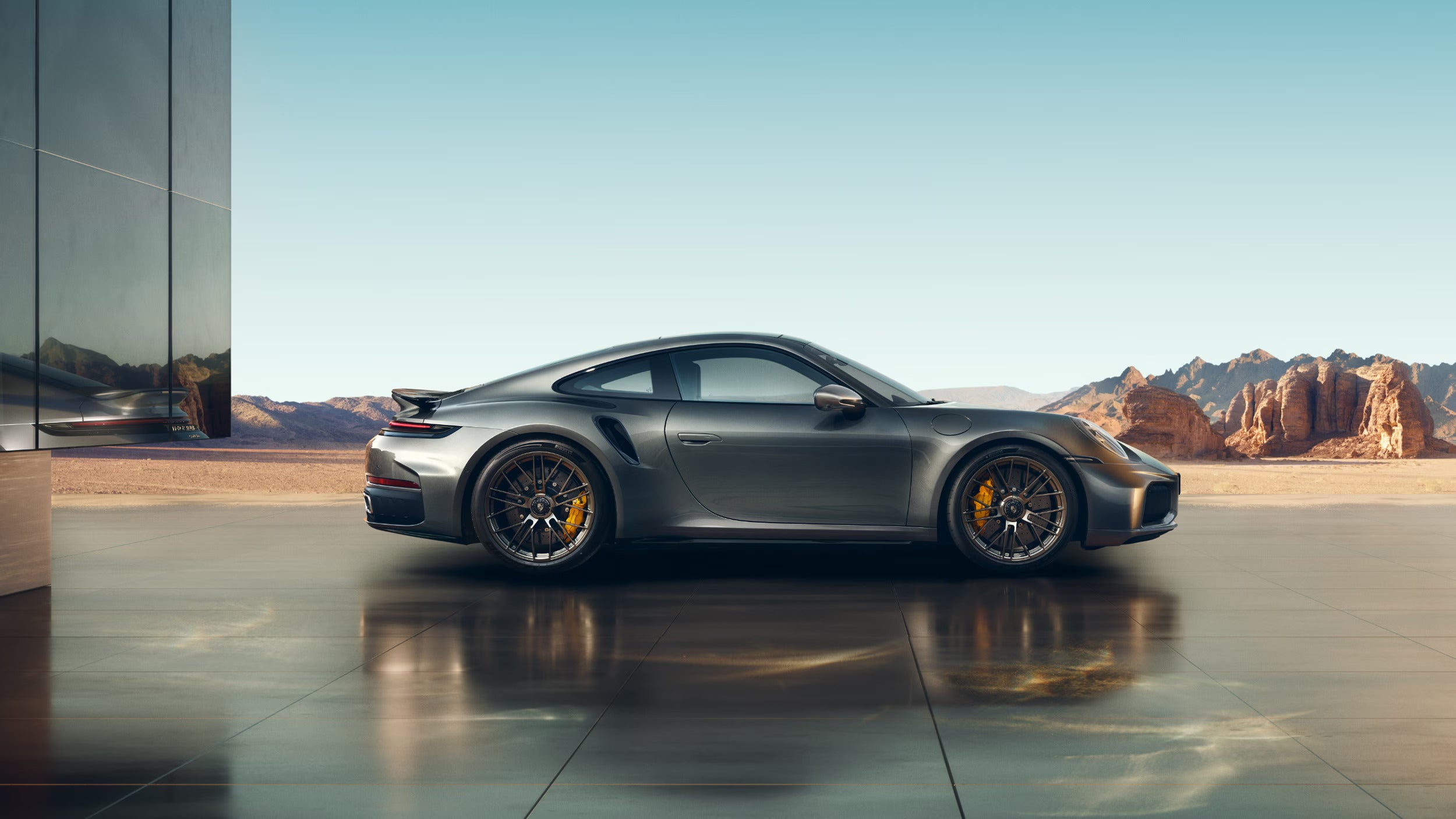
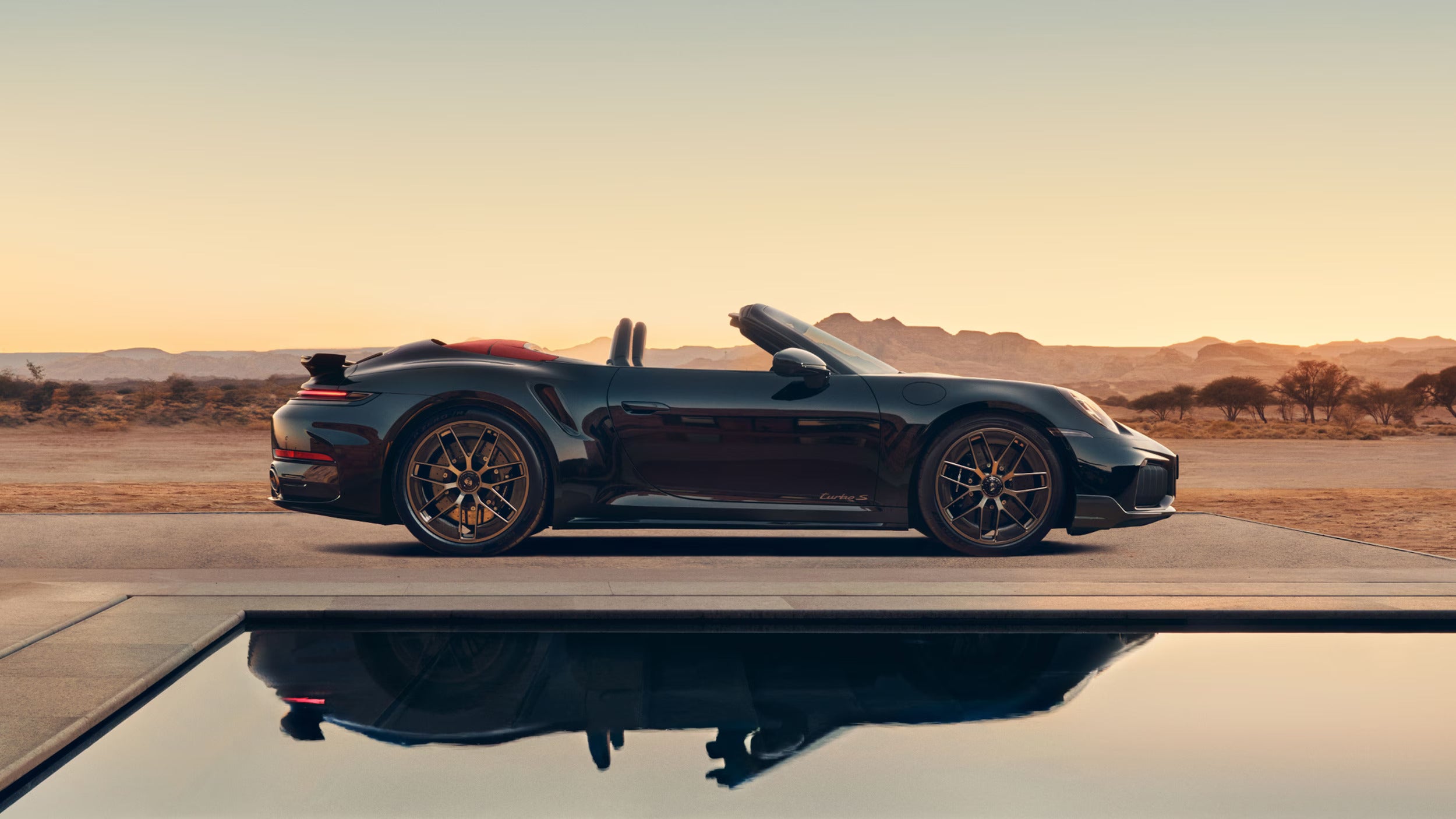
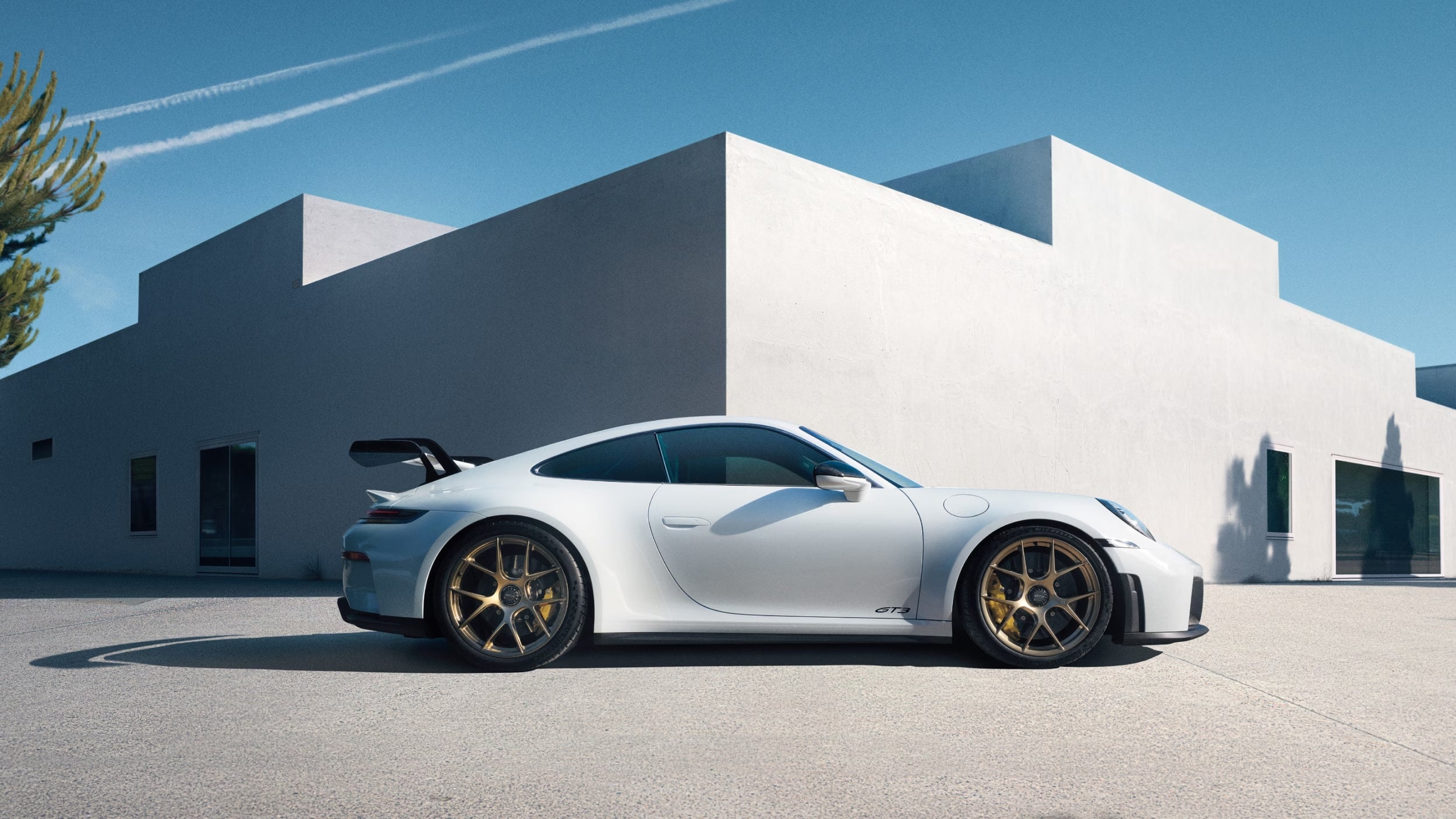
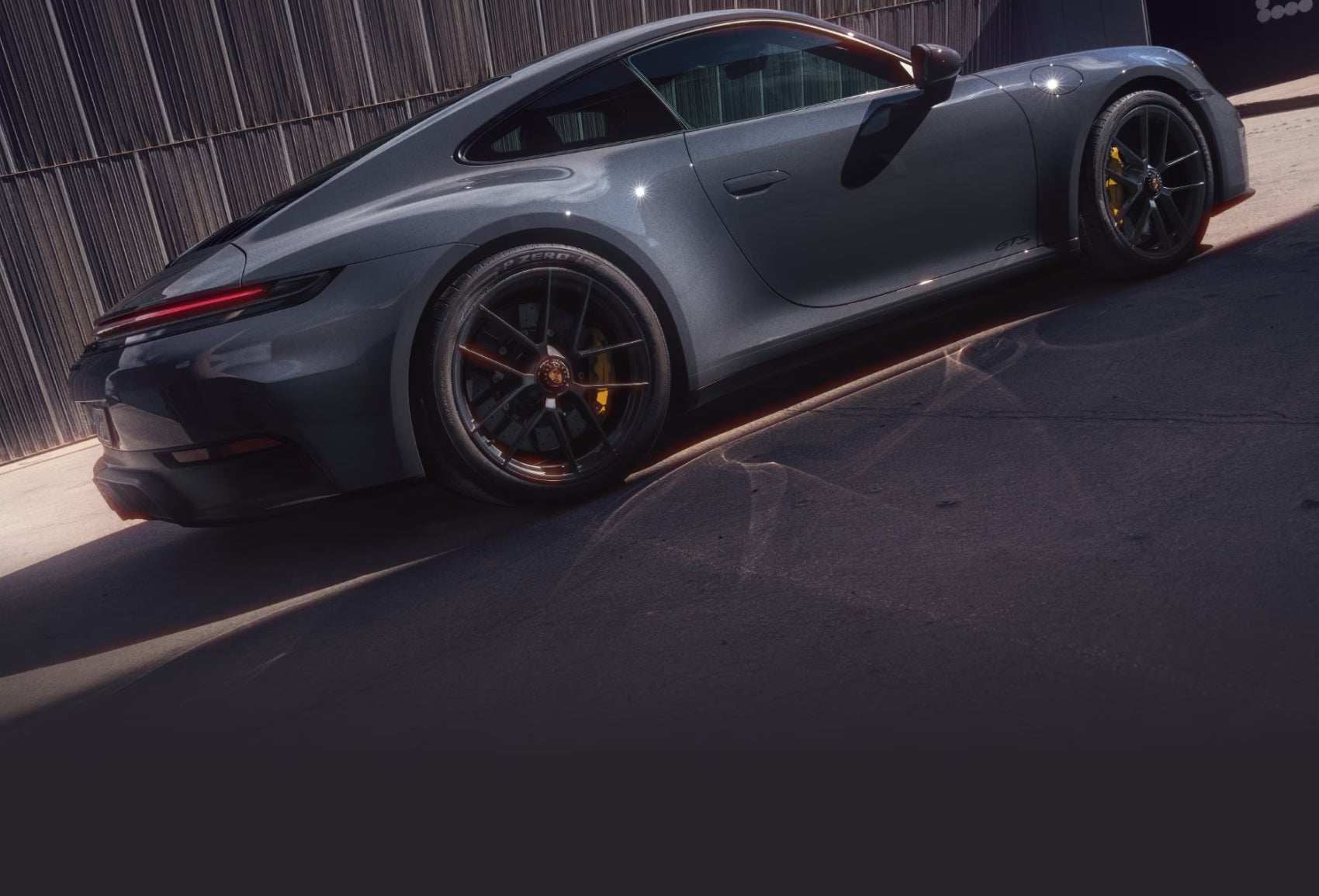
The Porsche 911 Carrera continues to set the benchmark for sports cars that deliver thrilling performance while remaining eminently usable for everyday driving. In 2026, this rear-engine, rear-wheel-drive icon blends timeless design with modern engineering refinements that enhance its engaging character without diluting the pure connection between driver and machine. more Priced starting around $135,500, the 2026 911 Carrera is powered by a twin-turbocharged 3.0-liter flat-six engine producing 388 horsepower and 331 lb-ft of torque. With the standard 8-speed PDK dual-clutch transmission, it accelerates from 0-60 mph in 3.9 seconds and reaches a top track speed of 183 mph. A manual transmission option is available for purists, extending the 0-60 time slightly while rewarding skilled drivers with direct engagement. These figures translate to real-world exhilaration—whether launching onto Lake Shore Drive or carving through winding roads in the North Shore suburbs. Check Out: Latest 911 Inventory in Lincolnwood The Carrera’s design remains instantly recognizable with its low-slung profile, wide hips, and iconic rear-engine layout. Subtle aerodynamic updates, including active elements and optimized air intakes, improve high-speed stability and cooling while preserving the classic silhouette that has defined the 911 for decades. LED matrix headlights with distinctive signatures and available sport exhaust tips add visual drama that matches the car’s dynamic capabilities. The rear design of the 2026 Porsche 911 Carrera reinforces its iconic sports car identity with classic proportions and modern details. Inside the cabin, Porsche maintains its driver-focused philosophy. A 12.6-inch digital instrument cluster sits directly in the driver’s line of sight, complemented by a 10.9-inch central touchscreen running the latest PCM infotainment with wireless Apple CarPlay and Android Auto. Materials feel premium yet purposeful—leather, Alcantara, and carbon fiber accents create an environment that feels special without excess. Adaptive sport seats, a heated steering wheel, and dual-zone climate control ensure comfort during daily commutes or longer weekend escapes. The 2+2 seating configuration provides occasional rear seats that prove useful for short trips or extra storage. Performance shines through precise steering, balanced chassis dynamics, and responsive power delivery. Porsche Active Suspension Management (PASM) continuously adjusts damping to suit road conditions, while optional rear-axle steering sharpens turn-in and improves low-speed maneuverability around Lincolnwood or Chicago-area traffic. In Sport or Sport Plus modes, the Carrera transforms into a more aggressive machine with quicker throttle response, firmer suspension, and a more vocal exhaust note that celebrates the flat-six soundtrack. Safety and driver assistance systems integrate seamlessly without intruding on the driving experience. Features like ParkAssist, adaptive cruise control, lane-keeping assist, and a full suite of airbags provide confidence without compromising the raw connection to the road. The robust structure and advanced braking system deliver strong stopping power and stability even under hard use. The 2026 Porsche 911 Carrera blends everyday usability with the pure sports car driving experience Porsche is known for. Daily usability sets the Carrera apart from more extreme sports cars. It handles grocery runs, highway cruising, or spirited drives with equal composure. Fuel economy around 18-25 mpg combined makes it practical for regular use, while the compact size navigates urban environments better than many rivals. Over-the-air updates and Porsche’s renowned reliability contribute to strong long-term ownership satisfaction. Enthusiasts appreciate the Carrera as the accessible entry into the 911 family—pure, engaging, and versatile. It rewards smooth inputs with feedback that builds driver confidence and skill over time. Whether you choose the coupe, cabriolet, or Targa variant, the driving experience remains authentic and addictive. At Porsche Lincolnwood, the team specializes in helping customers configure their ideal Carrera. From selecting wheel designs and interior packages to understanding performance options like the Sport Chrono Package, their experts provide personalized guidance. Test drives on local roads reveal the car’s true character in real conditions—something no specification sheet can fully capture. The dealership also offers insights into maintenance, winter tire setups for Illinois seasons, and financing tailored to sports car buyers. Check Out: Porsche and the Electric Future: What It Means for Drivers in Chicago The 2026 Porsche 911 Carrera embodies everything that makes the model legendary: timeless design, exhilarating performance, everyday practicality, and an unmatched emotional connection. It proves that a sports car can serve as both a weekend thrill machine and a reliable daily companion. For drivers seeking purity and heritage in a modern package, the Carrera delivers on every level. The 2026 Porsche 911 Carrera continues the 911 legacy by evolving its iconic sports car DNA while staying true to its driving roots. This model continues Porsche’s commitment to evolving the 911 while honoring its core DNA. Its balance of power, handling, and usability makes it one of the most compelling choices in the lineup for 2026—ideal for enthusiasts who want the full 911 experience without venturing into more specialized variants. Quick Answers The 2026 Porsche 911 Carrera at Porsche Lincolnwood starts around $135,500 with 388 hp and a 3.9-second 0-60 mph time. Test drives for the 2026 Carrera can be scheduled at Porsche Lincolnwood by contacting their sales team. Financing options for the Carrera at Porsche Lincolnwood include competitive rates and flexible terms tailored to sports car buyers. The Carrera offers pure rear-wheel-drive dynamics and everyday usability compared to higher-performance 911 variants. Available colors and options include classic Guards Red, optional Sport packages, and premium interior customizations. Frequently Asked Questions What makes the 2026 Porsche 911 Carrera’s flat-six engine and handling special compared to other sports cars? The responsive twin-turbo 3.0-liter flat-six delivers linear power with a distinctive sound, while the rear-engine layout and precise steering create unmatched driver engagement and balance that few competitors can replicate, especially on twisty roads. How does the PDK transmission versus manual option affect the driving experience in the Carrera? The 8-speed PDK offers lightning-fast shifts for maximum performance and convenience in daily driving, while the manual provides greater involvement and control for purists who enjoy the tactile connection during spirited drives. What financing and ownership considerations should buyers know at Porsche Lincolnwood? Porsche Lincolnwood offers tailored financing, lease options, and assistance with Porsche Approved financing programs. Their team discusses total cost of ownership, including service plans and potential resale value that holds strong for well-maintained 911s. Is the 2026 Carrera suitable for daily driving in the Chicago area with variable weather? Yes. Its composed ride, available all-season tire options, advanced stability systems, and practical cargo space make it reliable for commutes, while the optional winter package handles Midwest conditions confidently. What technology and comfort features does the 2026 Carrera include for modern usability? It features a digital cockpit, PCM with navigation and connectivity, adaptive cruise, ambient lighting, premium audio, and comfortable seating that support long drives without fatigue. Key Specifications Engine: 3.0L twin-turbo flat-six, 388 hp, 331 lb-ft 0-60 mph: 3.9 seconds (PDK) Top Speed: 183 mph Transmission: 8-speed PDK or 7-speed manual Drive: Rear-wheel drive Seating: 2+2 Fuel Economy: Approx. 18 city / 25 highway mpg Local Insights Porsche Lincolnwood in Illinois stands as Chicagoland’s premier destination for the 2026 911 Carrera. Their knowledgeable team offers in-depth configurators, demo drives on familiar roads, and personalized service that extends long after purchase. As a Premier Porsche Center, they provide expert insights into model selection and ownership tailored to local driving conditions. Expert Summary The 2026 Porsche 911 Carrera at Porsche Lincolnwood represents the essence of sports car excellence—engaging, versatile, and timeless. Its refined powertrain, precise dynamics, and daily drivability make it an ideal choice for enthusiasts seeking authenticity. Porsche Lincolnwood enhances the experience with expert guidance, seamless financing, and dedicated support, ensuring every owner enjoys the full thrill of ownership. Visit today to experience why the Carrera remains a benchmark.