
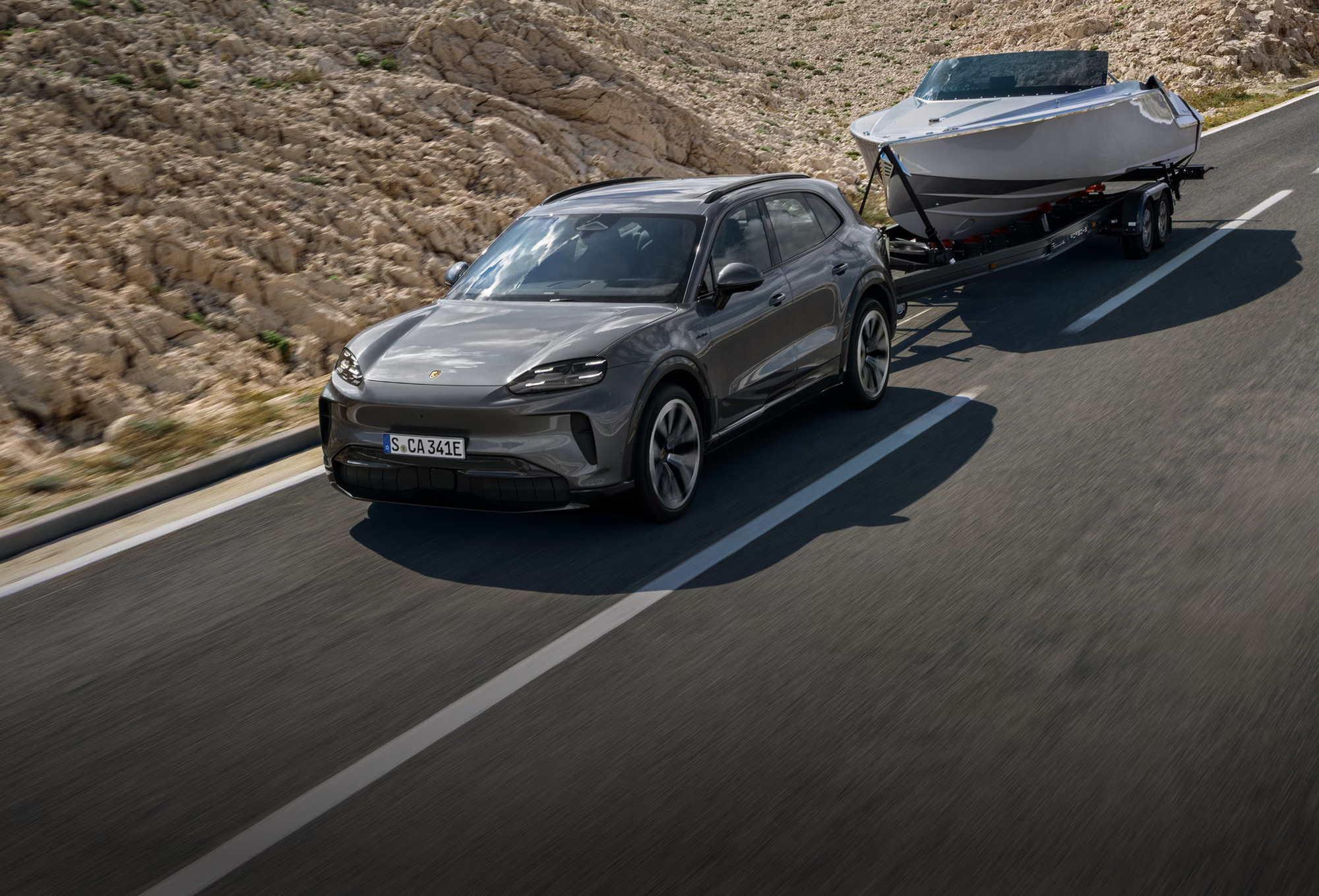
The 2026 Porsche Cayenne EV has become one of the most closely watched upcoming luxury SUVs, not because Porsche is rushing it to market, but because it isn’t.
In an industry defined by aggressive timelines and splashy reveals, Porsche’s approach to electrifying the Cayenne has been slow, deliberate, and closely observed by automotive journalists who understand what’s at stake. This is not a niche model. The Cayenne has long been Porsche’s most practical vehicle, serving buyers who want everyday usability without giving up performance credibility. Turning that formula electric without breaking it is a high-wire act.
That’s why coverage of the Cayenne EV has focused less on shock value and more on intent. When Car and Driver was given an early prototype drive, the publication framed the vehicle as a continuation rather than a disruption, noting that “the 2026 Porsche Cayenne Electric introduces a host of high-performance and technological advancements” while remaining recognizably Cayenne in its mission. The emphasis was not on reinvention, but on translation — how Porsche’s established SUV values carry over to an electric platform.
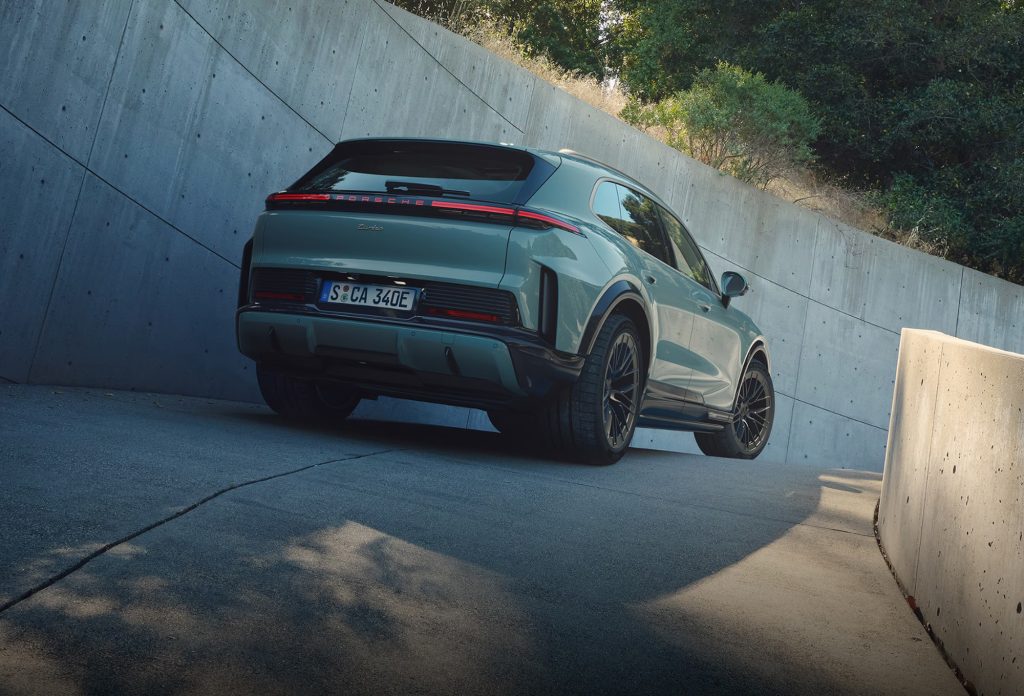
Much of the media conversation has centered on what the Cayenne EV is not meant to replace. Rather than eliminating combustion or hybrid variants, Porsche has repeatedly signaled — and journalists have reinforced — that the electric Cayenne will exist alongside them. In its reporting, Car and Driver has pointed out that the Cayenne EV is being positioned as an additional option, not a forced migration, reflecting Porsche’s broader strategy of maintaining customer choice as electrification expands.
That distinction matters. Cayenne buyers tend to be pragmatic. They value confidence, comfort, and long-term usability as much as outright performance. The electric version, according to early reporting, is being engineered with those expectations firmly in mind.
Engineering philosophy has become a recurring theme in coverage. Rather than chasing headline numbers, Porsche appears focused on fundamentals. Road & Track has repeatedly emphasized Porsche’s tendency to delay launches until new technology meets internal standards, a pattern that has shaped everything from the Taycan to earlier combustion models. Its analysis consistently frames the vehicle as a product of restraint rather than haste.
Platform choice has drawn particular attention.
Major media outlets have confirmed that the Cayenne EV will ride on a dedicated electric architecture rather than a modified combustion platform. According to analysis in Autocar, this decision gives engineers greater control over weight distribution and chassis tuning — critical factors for a vehicle expected to carry the Cayenne name. The publication has stressed that starting with a clean-sheet electric platform is essential if Porsche intends to preserve the balanced driving character buyers expect.
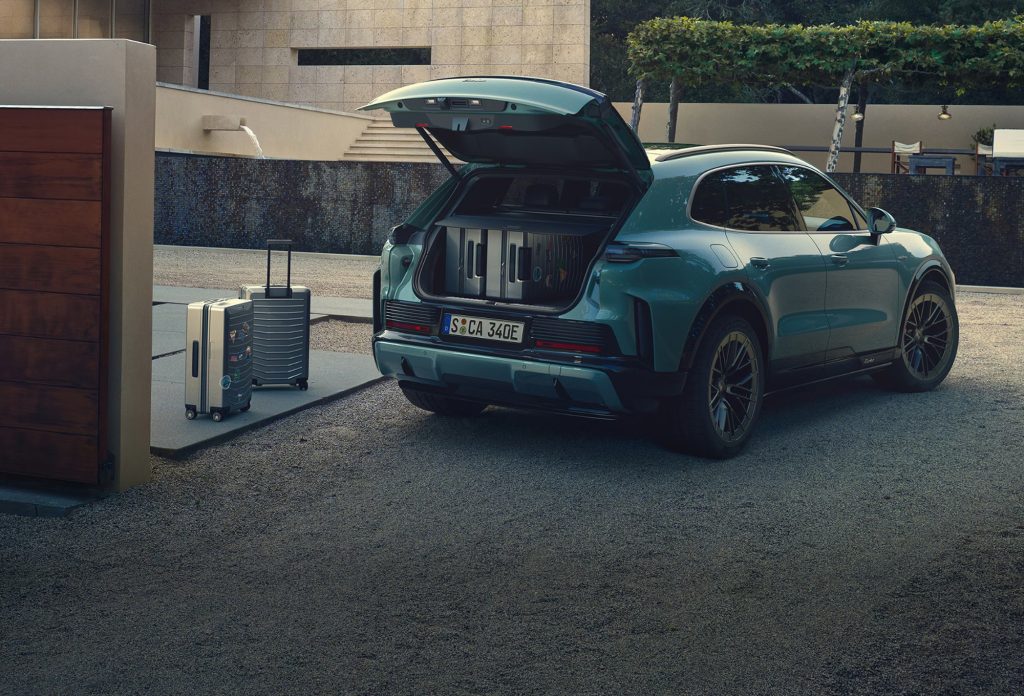
Charging capability and real-world usability have also featured prominently in coverage. While Porsche has shared technical direction publicly through official channels, media outlets have framed the Cayenne EV’s charging strategy as practical rather than performative. In its early impressions, MotorTrend described Porsche’s approach to electrification as “purpose-driven,” focusing on minimizing disruption during long trips instead of chasing marketing benchmarks. That framing aligns with how Cayenne owners typically use their vehicles — as daily drivers that also handle distance comfortably.
Interior expectations have followed a similar pattern.
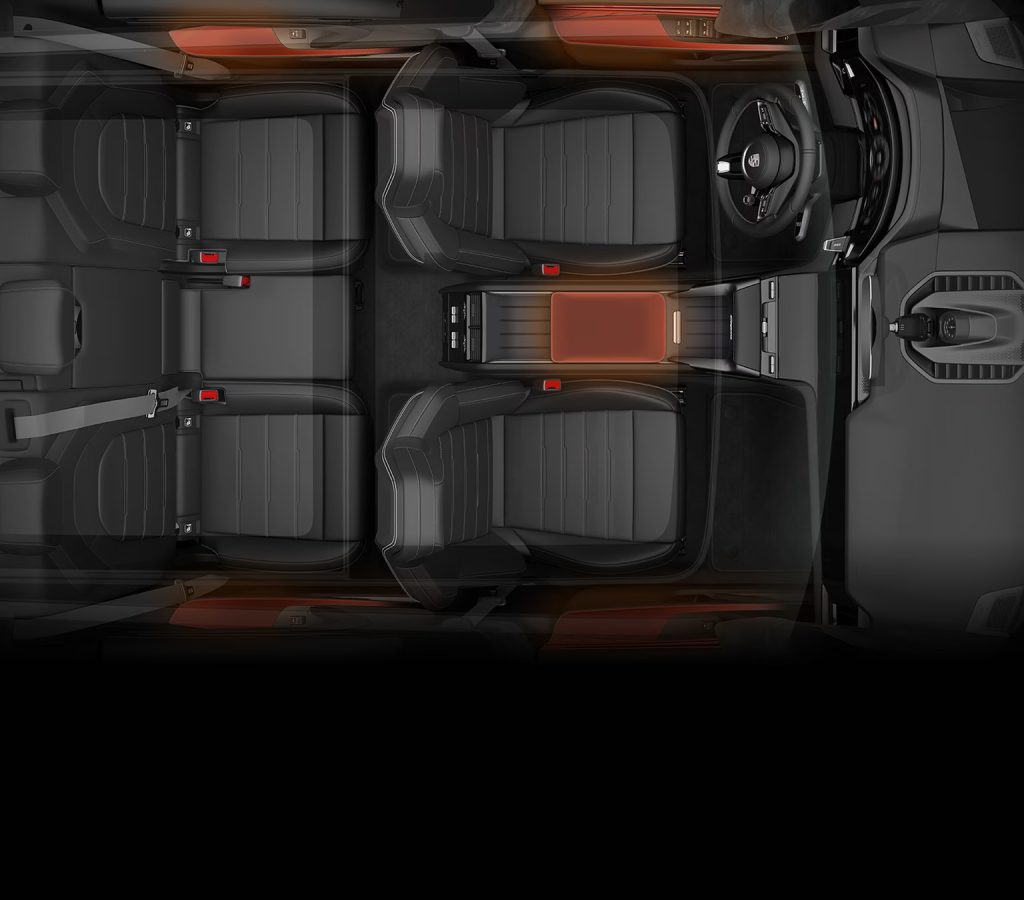
Publications familiar with recent Porsche launches expect the Cayenne EV to reflect the brand’s current interior philosophy: modernized technology that supports the driving experience without overwhelming it. In coverage of Porsche’s broader EV strategy, Autocar wrote that the goal is not spectacle but “refinement, clarity, and an interior that feels comfortable over hours, not minutes,” language that echoes what long-time Cayenne buyers tend to value.
The way Porsche is managing anticipation has not gone unnoticed. Instead of revealing the Cayenne EV all at once, details have emerged gradually through controlled previews and prototype drives. Analysts have interpreted this as a deliberate effort to set expectations carefully. In its reporting, Car and Driver suggested that the measured rollout signals confidence rather than uncertainty — an approach aimed at buyers who prioritize reassurance over novelty.
That strategy appears to be working.
Automotive News Europe has reported strong engagement following early appearances of the Cayenne EV concept and development vehicles, noting that interest is coming not only from EV-curious shoppers but also from existing Porsche customers. In its coverage, the outlet observed that much of the attention appears rooted in familiarity with the Cayenne name rather than curiosity about electrification alone.
Across publications, the Cayenne EV is framed as evolutionary — a careful extension of a model people depend on daily. Journalists consistently emphasize that Porsche is protecting the Cayenne’s role as a practical, confidence-inspiring SUV rather than turning it into a technological experiment.
That framing shapes expectations.
As coverage continues to build toward launch, the dominant narrative remains consistent. The 2026 Porsche Cayenne EV is expected to deliver electric performance without redefining what the Cayenne is supposed to be. For buyers open to electrification but unwilling to compromise on Porsche engineering, that message carries weight.
For drivers following the Cayenne EV as it approaches availability, spending time with the latest updates and inventory information at Porsche Lincolnwood can help turn media coverage into a clearer understanding of how this electric SUV may fit into everyday life.
Connect with us


Recent Blog Entries
- What Defines the 2026 Porsche 911 Carrera as the Purest Expression of Iconic Sports Car Driving?
- Porsche Macan: Gas vs. EV – Which Performance SUV Fits Your 2026 Driving Needs?
- The Future of the Cayenne: Porsche Prepares Its Electric Flagship SUV
- What Are the Maintenance Costs Like for a Porsche 911?
- Carrera vs. Turbo: Understanding the Real Differences in the Porsche 911 Lineup